 Skip to content
How to Create a Clothing Brand Product Line

A strong clothing brand product line starts much smaller and much smarter. It is a focused set of products built around one customer group, one clear wearing need, and one production path that can be repeated with confidence. In practical terms, that usually means choosing one hero product first, adding a few supporting styles, limiting fabrics and colors, controlling initial quantities, and building around products that can be sampled quickly, produced consistently, and restocked without changing the feel, fit, or quality that customers liked in the first place.
How New Brands Should Prepare for Their First Clothing Sample

To prepare well for a first clothing sample, a new brand should define the product clearly before contacting a manufacturer. That means deciding what the garment is, who it is for, how it should fit, what kind of fabric experience it should deliver, which details are essential, and what cost range is realistic. Clear preparation reduces revisions, shortens development time, and helps the factory make better decisions from the start.
How to Choose the Right First Products for a New Clothing Brand

For most new brands, the right first products are simple, wearable, repeatable pieces that solve a clear problem for a specific customer. That usually means starting with products such as T-shirts, hoodies, sweatshirts, sweatpants, leggings, or easy activewear styles. These categories are easier to test in small quantities, easier to explain online, easier to improve after feedback, and easier to reorder if demand appears. A strong first product is not just attractive on launch day. It is stable enough to become the product customers come back for.
How to Turn Clothing Ideas Into Real Products

Turning clothing ideas into real products is not only a design process. It is a decision process. You need to know what you are making, who it is for, how it should fit, what fabric can support it, how much you should test first, and whether your supplier can help you move from a small beginning to repeat orders without creating chaos later. That is the difference between making one sample and building a product that people can buy again and again.
How to Build a Clothing Brand Without Owning a Factory
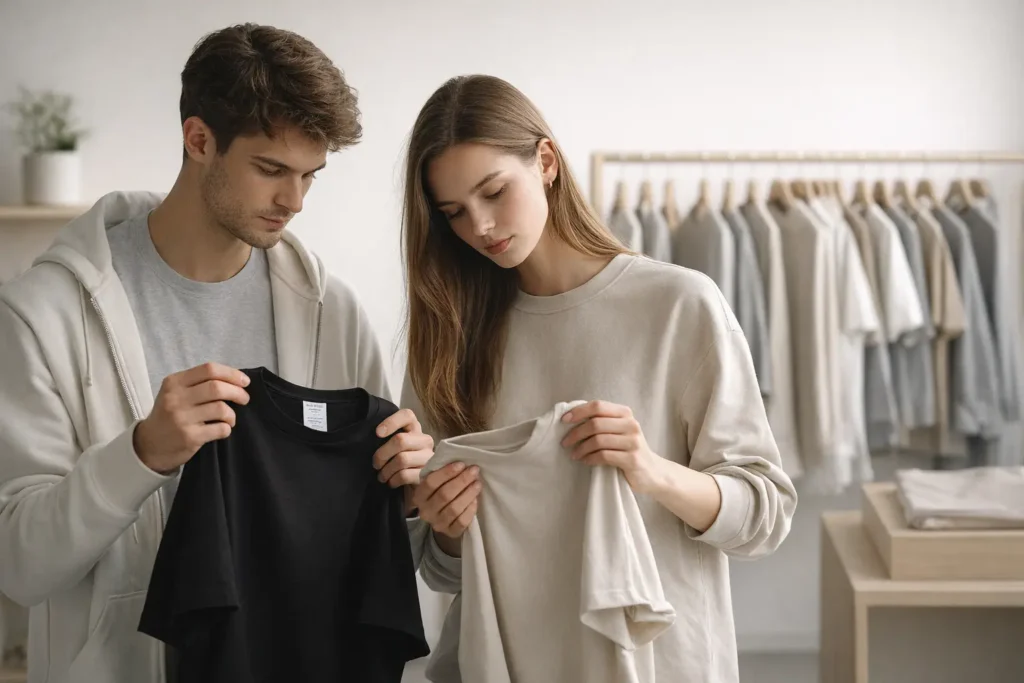
You can build a clothing brand without owning a factory by focusing on the parts that actually create value: product idea, customer positioning, fit, fabric choice, quality standards, content, sales, and repeat order planning. Production can be handled by the right manufacturing partner. That lets a new brand test demand with lower risk, avoid heavy upfront investment, and grow step by step instead of making one large bet too early.
How to Start a T-Shirt Brand with Low MOQ

A low MOQ T-shirt brand works best when the goal is not simply to “make some shirts,” but to build a repeatable product line with less inventory pressure, more flexibility, and a clearer path to growth. If you want to test a core tee, improve it, and then scale without changing factories every few months, this model makes a lot of sense.
How to Start a Hoodie Brand from Idea to Production

To start a hoodie brand the right way, you need to make clear decisions in order. First define your market and product direction. Then build a hoodie plan around fit, fabric, price, and order quantity. After that, turn the idea into a production-ready design, test samples, choose the right factory, and launch with a realistic inventory strategy. The strongest brands usually begin with fewer products, better clarity, and a supply chain that can support repeat orders.
How to Start an Activewear Brand in 2026

Starting an activewear brand successfully in 2026 requires careful planning in three main areas: product focus, manufacturing reliability, and scaling strategy. Brands that overcomplicate their launch with too many SKUs, inconsistent suppliers, or unclear sizing often fail to capture repeat customers. By contrast, brands that begin with a small, manageable line, validated through small-batch production, can optimize quality, reduce risk, and scale confidently.
How to Start a Streetwear Brand in 2026

Launching a streetwear brand in 2026 means you must focus on four key areas: understanding your audience, analyzing competitors, building a strong brand identity, and selecting a production partner who can handle both small-batch testing and large-scale production. Working with a factory like Modaknits allows brands to start with small orders, test designs, and scale gradually without risking excessive inventory.
How to Launch a Private Label Clothing Brand
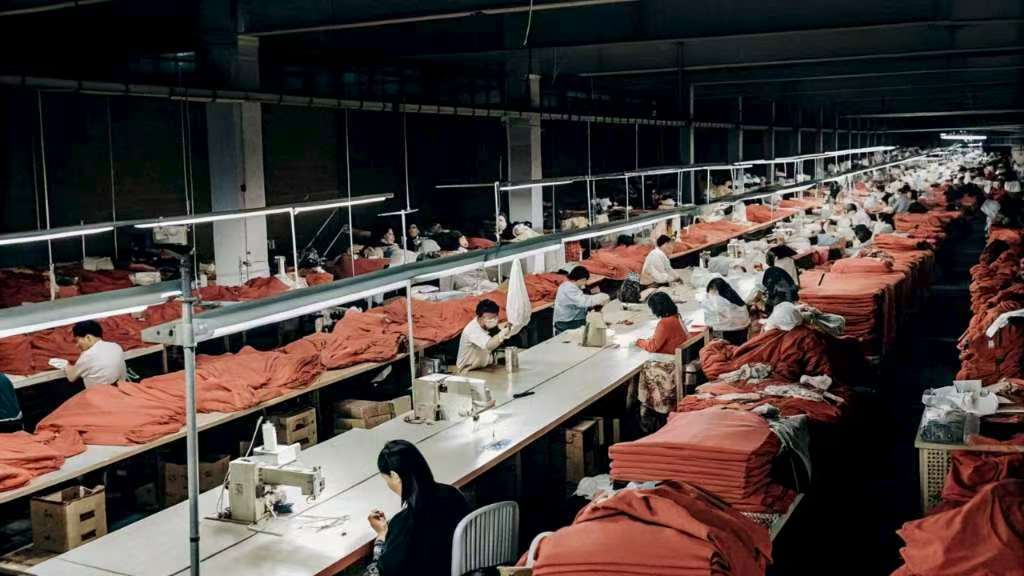
A private label clothing brand is launched by choosing a clear product niche, preparing a small but focused product line, working with a manufacturer that can handle sampling and small runs, testing market demand, and then scaling only after product quality and repeat orders are stable. The smartest launch is usually not the biggest one. It is the one with the lowest risk and the clearest path to restocking.
How to Start a Clothing Brand from Scratch

I can start a clothing brand from scratch by choosing a clear niche, building a strong brand concept, testing small product runs, finding reliable suppliers, and using simple marketing that fits my target buyer. I do not need a huge team or budget, but I do need a clear plan and steady execution.
The Ultimate Guide to Different Types of Henley Shirts

Henley shirts stand out because of their collarless round neckline and button placket, offering a polished yet laid-back look ideal for layering or standalone wear.

