Skip to content
How to Create a Winning Clothing Brand Roadmap
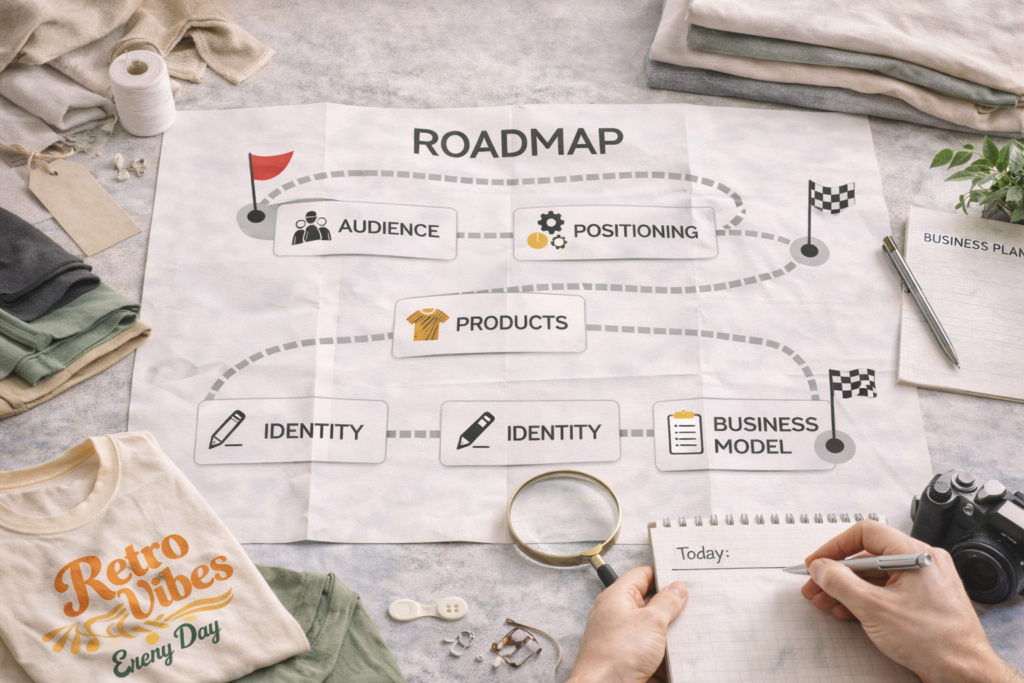
A winning clothing brand roadmap starts with a clear niche, a focused first product line, realistic production planning, and a growth path built around repeat orders rather than one-time excitement. It helps a brand reduce inventory risk, improve supplier decisions, protect quality, and move from testing to stable scale with fewer expensive mistakes.
How Small Fashion Brands Can Compete with Bigger Labels

Yes, small fashion brands can beat bigger labels, but not by copying them. They compete by being sharper, more focused, and more consistent. Small fashion brands often win when they serve a narrower audience, build stronger hero products, move in smaller and safer production cycles, and create a product experience that feels more personal and more trustworthy than mass-market alternatives.
How to Build a Clothing Brand with Limited Budget

The practical answer is simple. Build your clothing brand around a narrow product focus, a low-risk quantity plan, and a product story people can understand immediately. Start with a category that is easy to test and easy to reorder. Put your early budget into sampling, fit, fabric, and product clarity. Keep the first launch tight enough that one good result can lead naturally to the next order.
How to Develop a Brand Identity for a Clothing Label

A clothing label brand identity is the full system that makes your label recognizable and believable. It includes who you serve, what kind of product you stand for, how your garments should feel and fit, how your website speaks, how your packaging shows care, and how consistently you can deliver the same experience over time. For a clothing brand, identity is never just a visual exercise. It is the connection between promise and product.
How to Validate a Clothing Brand Idea Before Manufacturing

gather real feedback on fit, fabric, use, and price, and then move into sampling and small-batch production only after the idea starts showing real demand signals. That usually means fewer SKUs, better questions, and smaller first commitments.
How to Build an Activewear Collection That Sells Online

To build an activewear collection that sells online, start with a focused product range, choose fabrics based on actual wear situations, design fit around comfort and repeat use, and describe each product in a way that removes doubt. The collection does not need to be large. It needs to be clear, consistent, and easy for customers to trust.
How to Build a Commercially Viable Streetwear Collection

n most cases, that means starting with a narrow line of heavyweight tees, hoodies, sweatshirts, or sweatpants, then using fit, fabric, color, finish, and branding restraint to create distinction. The goal is not to launch the most creative assortment. The goal is to launch the most repeatable one.
How to Name and Position a Clothing Brand for Long-Term Growth

A strong clothing brand name and position should do three jobs at once: make the brand easy to remember, make the offer easy to understand, and make future growth easier instead of harder. The right name is not just attractive. It supports market fit. The right position is not just a slogan. It gives customers a reason to care, compare, and come back.
How to Build a Clothing Brand with Limited Budget

Build your clothing brand around a narrow product focus, a low-risk quantity plan, and a product story people can understand immediately. Start with a category that is easy to test and easy to reorder. Put your early budget into sampling, fit, fabric, and product clarity. Keep the first launch tight enough that one good result can lead naturally to the next order.
How to Create a Launch-Ready Apparel Collection

It usually starts with a small number of core styles, clear fit and fabric decisions, realistic MOQ planning, healthy pricing logic, and a production path that can move from sample to small batch to repeat order without major disruption.
How to Build a Capsule Collection for a Startup Fashion Brand

The smartest way to build a capsule collection for a startup fashion brand is to start with a small group of versatile, repeatable products built around one clear customer need. Focus on categories that are easier to test, easier to restock, and easier to scale. Keep the first launch tight, reduce production complexity, and use early orders to improve product decisions before expanding the line.
How to Plan Your First 10 SKUs for a Clothing Brand

Planning your first 10 SKUs means choosing a small, controlled product line that helps you test demand without creating unnecessary inventory pressure. A strong first 10-SKU plan usually includes a few core products with the highest reorder potential, a small number of test products, a limited fabric system, and a category focus that matches what your brand can actually sell and restock well.