Wool-polyester fabric combines the warmth and softness of wool with the durability and wrinkle resistance of polyester, making it a versatile choice for both formal and casual wear. This blend offers comfort, longevity, and easy maintenance, which is ideal for garments that require resilience and style.
In this blog, We explores the key properties, practical applications, and sustainability considerations of wool-polyester fabric, as well as essential quality standards to ensure performance and environmental responsibility.
What is Wool-Polyester Fabric?
Wool-polyester fabric is a blended textile that merges the natural warmth and softness of wool with the durability and wrinkle resistance of polyester. Typically composed of around 60-80% wool and 20-40% polyester, this fabric is crafted for resilience and ease of maintenance. Wool provides insulation and a natural, comfortable feel, while polyester adds strength, stretch, and longevity, making this blend an excellent choice for formal wear, outerwear, and everyday garments.

Origin and Production of Wool-Polyester Fabric
The development of wool-polyester fabric arose from a demand for materials that offer both the luxurious qualities of wool and the practicality of synthetic fibers. Production involves spinning wool and polyester fibers into a unified yarn and then weaving or knitting them into fabric. Modern textile techniques ensure consistent distribution of the fibers, achieving a balanced fabric with softness, stretch, and resilience, suited for a range of applications.
Historical Significance and Modern Usage
Initially created to enhance the durability of pure wool garments, wool-polyester blends have since gained popularity in workwear, formal attire, and casual clothing. The fabric’s ability to retain warmth, resist wrinkles, and maintain structure has made it a staple in jackets, suits, and coats, where style and functionality are equally important.
Wool-Polyester Fabric Today
At Modaknits, we focus on sourcing high-quality wool-polyester blends that combine warmth, comfort, and durability. Our garments are tailored to deliver a comfortable fit and lasting wear, catering to customers who value both style and performance in their wardrobe essentials.
What Makes Wool-Polyester Fabric Unique?
Wool-polyester fabric merges the natural insulation and breathability of wool with the durability and resilience of polyester, creating a fabric that balances comfort, warmth, and easy maintenance. Here are the key characteristics that set wool-polyester apart from other fabrics:
Key Characteristics and Qualities
- Warmth and Durability: Wool’s natural fibers provide insulation and breathability, keeping the wearer warm in cold conditions, while polyester enhances the fabric’s durability and resistance to wear, making it ideal for long-lasting garments.
- Wrinkle and Shrink Resistance: The addition of polyester reduces wrinkling and shrinkage, which is more common in pure wool. This characteristic ensures that garments maintain their shape and look polished with minimal maintenance.
- Moisture-Wicking and Breathability: Wool’s moisture-wicking properties help keep the skin dry by absorbing moisture, while polyester allows for faster drying, making this blend suitable for winter apparel and activewear.
- Cost-Effectiveness: Wool-polyester blends offer a more affordable alternative to 100% wool, providing similar warmth and comfort but at a lower price point, making them accessible for various applications.

Comparison with Other Fabrics
- Wool-Polyester vs. 100% Wool: Pure wool is highly breathable and warm but can be more delicate and prone to shrinkage. Wool-polyester blends retain warmth while offering improved durability and ease of care.
- Wool-Polyester vs. Poly-Cotton: Poly-cotton blends provide durability but lack the natural warmth and moisture-wicking properties of wool-polyester, making the latter better suited for cold-weather wear.
- Wool-Polyester vs. Acrylic-Wool: Acrylic-wool blends can mimic wool’s warmth but lack the breathability and longevity provided by polyester, making wool-polyester a more robust option.
The wool-polyester blend is popular for outerwear, workwear, and professional attire due to its balance of warmth, resilience, and easy care, combining the best of both fibers for versatile applications.
How is Wool-Polyester Fabric Made?
Wool-polyester fabric combines the warmth and breathability of wool with the durability and resilience of polyester. The production process is designed to maximize the advantages of both fibers, resulting in a fabric that is both comfortable and long-lasting.
Production Process
- Fiber Blending: Wool-polyester blends typically contain a balanced ratio, such as 60% wool and 40% polyester, although proportions may vary depending on the application. Blending the fibers carefully ensures that the fabric retains wool’s softness and warmth while adding polyester’s durability and wrinkle resistance.
- Spinning: After blending, the fibers are spun into yarn. This step determines the thickness, strength, and stretch of the final fabric. High-quality spinning techniques ensure that the fabric is resilient, making it ideal for regular use in outerwear and professional attire.
- Weaving/Knitting: Wool-polyester fabric is often woven, but it may also be knitted for applications that require flexibility. Weaving provides a structured fabric suitable for suiting and jackets, while knitting offers a softer, more flexible textile.
- Finishing: The fabric undergoes finishing treatments like dyeing, softening, and anti-pilling. These treatments help enhance color vibrancy, texture, and durability, ensuring that the fabric maintains its appearance and quality over time.

Regions Known for Wool-Polyester Fabric Production
- China: China is a significant producer of wool-polyester blends, providing high-volume production at competitive prices for global markets.
- Italy: Known for luxury textiles, Italy specializes in high-quality wool-polyester fabrics, especially in high-end and professional wear.
- Turkey: Turkey’s textile industry supports efficient production and distribution of wool-polyester blends, catering to European and international markets.
Wool-polyester fabric is widely used for its balance of comfort, durability, and low maintenance, making it a popular choice for both fashion and functional apparel worldwide.
What Are the Types of Wool-Polyester Fabric?
Wool-polyester fabric comes in several variations, each combining wool’s warmth and softness with polyester’s durability and ease of care. Different blends and finishes cater to specific applications, balancing comfort, resilience, and functionality.
60/40 Wool-Polyester Blend
This blend consists of 60% wool and 40% polyester, providing a comfortable balance between warmth and durability. It’s often used in suits and professional attire, as it holds shape well while offering a refined, soft texture suited for formal settings.
50/50 Wool-Polyester Blend
With an even mix of wool and polyester, this blend is versatile and offers both breathability and wrinkle resistance. Commonly found in jackets, trousers, and skirts, this fabric is durable enough for everyday wear while retaining wool’s natural comfort.
70/30 Wool-Polyester Blend
Containing 70% wool and 30% polyester, this blend prioritizes the warmth and luxurious feel of wool, with polyester enhancing durability and reducing wrinkles. It’s typically used in outerwear like coats and heavy jackets, providing insulation and resilience in cooler climates.
Brushed Wool-Polyester
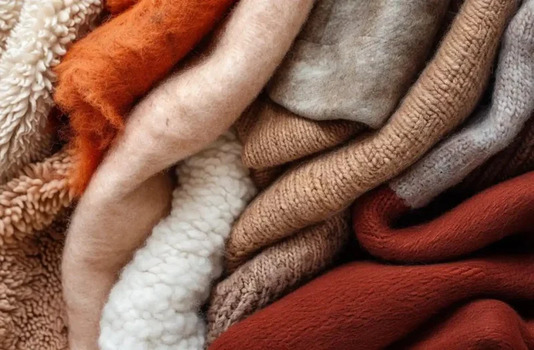
Brushed wool-polyester fabric undergoes additional finishing for a softer, more textured surface. This type is ideal for items like loungewear, sweaters, and blankets, where warmth and comfort are priorities. The brushed texture enhances insulation, making it suitable for cold-weather garments.
These types of wool-polyester fabric offer a range of options, from professional wear to casual attire, by combining wool’s natural warmth with polyester’s easy-care qualities for durable, comfortable clothing across different applications.
How is Wool-Polyester Fabric Used in Textiles?
Wool-polyester fabric is valued for its durability, warmth, and versatility, making it an excellent choice for various applications in fashion, workwear, and home textiles. Here’s how this blend is commonly used:
Outerwear and Winter Apparel
With its blend of wool’s natural insulation and polyester’s durability, wool-polyester fabric is ideal for jackets, coats, and cold-weather accessories like scarves. The 70/30 blend, with its higher wool content, offers added warmth and softness, perfect for garments that need to withstand colder temperatures.

Business and Formal Attire
For suits, blazers, and slacks, the 60/40 wool-polyester blend provides a refined look while holding up well against wrinkles and daily wear. This blend’s balance of structure and comfort makes it ideal for professional attire that requires a polished appearance with minimal maintenance.
Workwear and Uniforms
In workwear, wool-polyester fabrics are favored for their resilience, particularly in uniforms for hospitality or healthcare, where frequent laundering is necessary. The 50/50 blend offers breathability and comfort without compromising durability, making it suitable for industries that demand reliable, easy-care garments.
Casual and Everyday Wear
Wool-polyester fabric is also used in casual clothing such as sweaters, cardigans, and vests. Brushed wool-polyester fabrics add a cozy, soft finish, making them ideal for loungewear or casual garments that provide warmth and comfort throughout the day.
The wool-polyester blend’s adaptability across these diverse applications showcases its unique ability to combine the warmth and softness of wool with the resilience and easy care of polyester, meeting a range of needs from formal to functional wear.
How Much Does Wool-Polyester Fabric Cost?
The cost of wool-polyester fabric depends on blend ratios, quality, and manufacturing location. Here’s a general overview to assist manufacturers and designers:
Wool-Polyester Fabric Costs in the United States
- High-Quality Blends (70/30, 60/40): Prices typically range from $10 to $25 per yard. This range reflects premium wool content, often used in tailored outerwear and formal attire requiring added warmth, structure, and durability.
- Standard Blends (50/50): Generally priced from $6 to $12 per yard. These blends balance warmth and affordability, making them suitable for casual wear and mass-produced items.

Wool-Polyester Fabric Costs in China
- High-Quality Blends: Costs range from $6 to $15 per yard, leveraging lower production costs to offer quality fabric at competitive prices. China’s advanced textile industry supports high-volume production without sacrificing quality.
- Standard Blends: Prices range from $3 to $8 per yard, ideal for bulk orders of casual and everyday apparel.
Factors Influencing Wool-Polyester Fabric Prices
- Blend Ratio: Higher wool content increases the cost due to wool’s relative expense compared to polyester.
- Production Location: U.S. production costs are generally higher due to labor and operational expenses, while Chinese manufacturing offers more cost-effective options.
- Quality Standards: Premium fabrics with added durability or eco-friendly certifications may have higher prices due to additional processing.
Comparing Wool-Polyester Fabric Prices: U.S. vs. China
Wool-polyester fabric from China is typically 20-40% less expensive than in the United States, due to lower labor and production expenses. This cost difference makes China a viable sourcing option for Modaknits, providing a range of wool-polyester fabrics suited to different price points and quality requirements.
How Does Wool-Polyester Fabric Impact the Environment?
The environmental footprint of wool-polyester fabric is influenced by its blend composition, sourcing methods, and production practices. Below is an overview of the fabric’s positive and negative environmental impacts:
Positive Environmental Impacts
- Reduced Resource Dependency: By blending wool and polyester, this fabric requires fewer resources of each fiber compared to pure wool or polyester. This combined usage can reduce reliance on petroleum for polyester and lower the pressure on sheep farming resources.
- Extended Garment Life: Polyester increases wool’s durability, making wool-polyester garments longer-lasting and reducing the frequency of replacements. This longevity helps minimize waste from the disposal of worn-out garments.

Negative Environmental Impacts
- Non-Biodegradable Polyester: Polyester is a synthetic, petroleum-based fiber that is non-biodegradable, leading to persistent waste in landfills. Over time, it can also shed microplastics that negatively affect marine ecosystems.
- Wool Production’s Resource Use: Wool production has significant land and water requirements. Conventional sheep farming can contribute to land degradation, and in some regions, it may involve pesticide use for pest control, which affects soil and water quality if not managed sustainably.
Sustainable Practices
- Use of Recycled Polyester: Sourcing recycled polyester instead of virgin polyester reduces the demand for new petroleum resources, helping to mitigate the environmental impact associated with synthetic fibers.
- Sustainable Wool Sourcing: Selecting wool from certified sustainable or organic farms can ensure higher animal welfare standards and reduce the environmental impact associated with conventional wool production practices.
- Eco-Friendly Dyeing and Processing: Implementing low-impact dyeing methods limits the chemical waste associated with traditional dyeing processes, reducing water pollution and supporting more sustainable wool-polyester fabric production.
Through adopting sustainable practices like these, Modaknits aims to reduce the ecological impact of wool-polyester fabrics, balancing comfort, durability, and environmental responsibility.
Ensuring Lycra-Cotton Fabric Quality and Certification
At Modaknits, we are dedicated to maintaining high standards for quality and sustainability in our wool-polyester fabrics, ensuring they meet strict criteria for durability, comfort, and environmental responsibility.
Key Quality Indicators
- Durability and Resilience: We source premium wool and polyester fibers to create a balanced blend that combines natural warmth and synthetic strength. This construction ensures our wool-polyester fabrics hold up well through frequent wear, ideal for both everyday and performance applications.
- Comfort and Insulation: Designed for a comfortable, breathable feel, our wool-polyester fabrics offer the natural insulation of wool alongside the lightweight durability of polyester. This blend is well-suited for a range of garments, from outerwear to workwear, providing both warmth and ease of movement.

Certifications and Sustainability
- OEKO-TEX® Certification: All of our wool-polyester fabrics meet OEKO-TEX® Standard 100 requirements, confirming they are free from harmful substances. This certification assures customers of safe, skin-friendly, and environmentally responsible fabrics.
- ISO Standards Compliance: Modaknits follows ISO standards for quality management and environmental practices, promoting efficient production and minimizing the environmental footprint of our wool-polyester manufacturing process.
Through these stringent quality measures and certifications, Modaknits guarantees that our wool-polyester fabrics meet the performance, comfort, and sustainability needs of modern fashion and eco-conscious manufacturing.
For more information about our fabrics or to explore our product catalog, please contact us.