Skip to content
If you’ve ever walked into a yoga boutique or scrolled through premium activewear brands, you’ve probably been hit with sticker shock. Leggings for $120. Sports bras for $80. Jackets that cost more than an entire gym membership. And the surprise doesn’t end there—wholesale buyers looking to stock their studio shops often find that even bulk prices for yoga apparel are significantly higher than for generic sportswear.
Many assume these prices are purely the result of clever branding. The reality is far more complex. Premium yoga wear carries a high price tag because of the way it’s designed, the materials used, the way it’s made, and the way it’s positioned in the market. It’s the result of a chain of decisions—from fabric selection to marketing strategy—that reflect a focus on performance, ethics, and brand storytelling.
In simple terms: yoga clothing is expensive because it blends advanced performance fabrics1, specialized patterns, ethical production2, small-batch manufacturing3, and premium brand positioning. These factors add real costs to the supply chain, which are reflected in both retail and wholesale prices4.
Understanding the True Cost Behind Yoga Apparel Wholesale
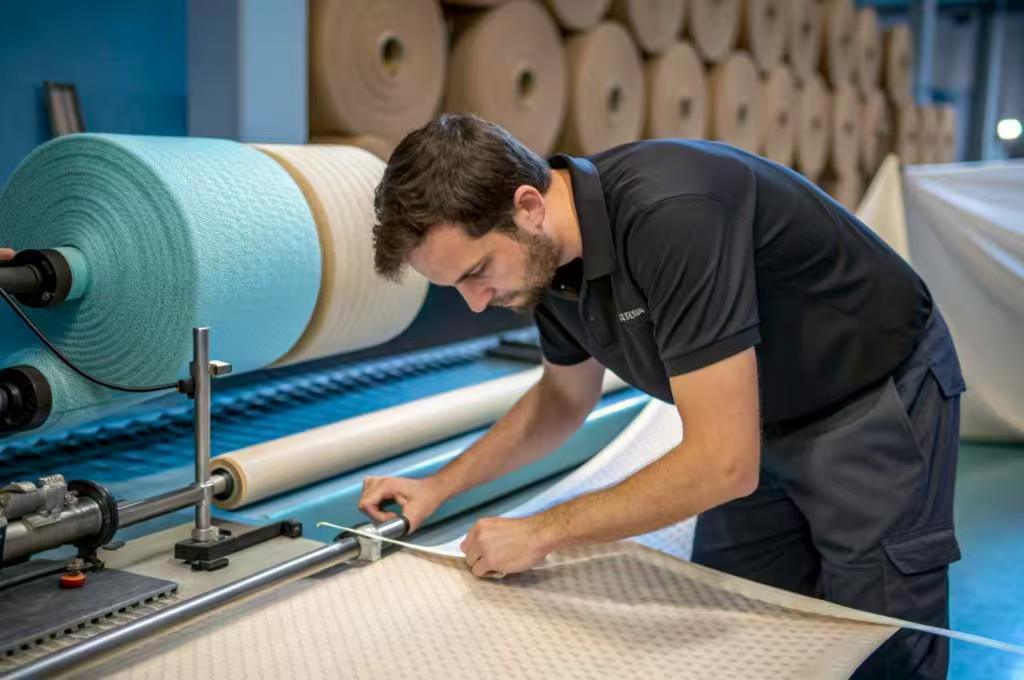
Fabric measuring
How do fabric technology5 and performance features drive up prices?
Yoga apparel isn’t designed like casual gym gear. It’s engineered for:
- Dynamic flexibility without sagging or warping after repeated stretches.
- Moisture management to keep skin dry and comfortable during intense hot yoga.
- Shape retention so leggings stay supportive and flattering after dozens of washes.
- Color and print durability to resist fading from sweat, washing, and UV exposure.
All of this requires specialized yarns (nylon-spandex blends, recycled PET fibers), advanced knitting machines, and chemical treatments for wicking, antimicrobial protection, and UV blocking. This R&D investment is significant and gets passed down the supply chain.
Example: A standard polyester legging fabric may cost $3–$4 per yard wholesale, while a premium Italian performance knit from Carvico or ECONYL® can cost $9–$12 per yard—before it’s even cut or sewn.
Premium yoga brands rarely operate like fast-fashion giants. They:
- Produce limited runs to maintain exclusivity.
- Keep inventory tight to avoid overstock and waste.
- Test new designs in small quantities before scaling.
- Adjust styles and colors based on real customer feedback.
Small-batch production also allows for more thorough quality checks—but without the cost advantages of mass production, the per-unit price goes up. This applies even at wholesale level.
The Role of Fabric and Material Quality in Pricing
What makes technical fabrics like moisture-wicking and 4-way stretch costlier?
Creating a fabric that stretches comfortably in every direction without becoming see-through requires:
- Complex fiber blends (often 15–25% spandex for yoga).
- Specialized knitting techniques for durability and flexibility.
- Finishing processes like heat-setting to lock in stretch recovery.
These steps mean that the raw fabric cost for premium yoga apparel can be 2–3 times higher than for mass-market gym wear.
How do sustainable and organic materials impact wholesale yoga apparel costs?
Eco-conscious brands increasingly choose organic cotton, bamboo viscose, hemp, or recycled polyester. While these choices align with yoga’s wellness philosophy, they come at a cost:
- Organic cotton yields are lower and require stricter farming methods.
- Bamboo processing for apparel-grade softness involves specialized (and more expensive) equipment.
- Recycled polyester production adds collection, sorting, and reprocessing steps.
| Fabric Type | Wholesale Cost Impact | Key Benefit |
|---|---|---|
| Organic Cotton | +20–40% | Soft, hypoallergenic, eco-friendly |
| Recycled Polyester | +15–30% | Diverts plastic waste from landfills |
| Bamboo Viscose | +10–25% | Breathable, naturally antibacterial |
Manufacturing and Design Costs for Yoga Apparel Wholesale
Why does custom pattern cutting and stitching add to the price?
Yoga apparel patterns involve precision engineering:
- Gusseted crotches for unrestricted movement.
- High-rise waistbands with elastic stability.
- Flatlock seams to prevent skin irritation.
Producing these features requires highly skilled machinists, multiple specialized sewing machines, and more production time per garment.
Case in point: While a basic cut-and-sew T-shirt might require 4–5 minutes of sewing time, a pair of premium yoga leggings can take 15–20 minutes—tripling labor cost per unit.

How do ethical manufacturing practices influence the final cost?
Ethical factories:
- Pay living wages instead of minimum wages.
- Maintain safe, compliant facilities with proper ventilation and fire safety.
- Offer worker benefits and training programs.
This adds to operational costs, but for yoga brands built on mindfulness and integrity, it’s non-negotiable.
Branding, Marketing, and Positioning in the Yoga Apparel Industry
Premium brands invest heavily in community and culture:
- Hosting free yoga classes and workshops.
- Sponsoring retreats and wellness events.
- Maintaining a consistent brand aesthetic across stores, packaging, and online presence.
Customers don’t just buy leggings—they buy into a lifestyle identity. This allows brands to maintain pricing power and avoid the race-to-the-bottom pricing seen in fast fashion.
Is higher pricing linked to influencer marketing and niche positioning?
Absolutely. Collaborations with well-known yoga instructors or fitness influencers help brands:
- Build credibility with a niche audience.
- Create a sense of exclusivity.
- Justify higher price points without relying on constant discounts.
How to Save Money When Buying Yoga Apparel Wholesale
What are the best sourcing strategies for affordable, high-quality yoga wear?
- Partner with up-and-coming manufacturers looking to attract new wholesale clients.
- Consolidate fabric and color choices to streamline production.
- Commit to seasonal pre-orders for better pricing and priority in production schedules.
Can buying off-season or from surplus wholesale suppliers cut costs?
Yes. Many premium brands sell excess inventory to liquidators at 30–60% off wholesale prices. This is an opportunity for smaller resellers to access premium products at lower costs—though size and color availability will be limited.
Cost Breakdown for Wholesale Premium Yoga Leggings
| Cost Component | Percentage of Wholesale Price | Example Cost on $40 Wholesale |
|---|---|---|
| Fabric & Materials | 30% | $12 |
| Labor & Sewing | 20% | $8 |
| Quality Control | 5% | $2 |
| Packaging & Labeling | 5% | $2 |
| Overhead & Admin | 10% | $4 |
| Marketing & Branding | 10% | $4 |
| Manufacturer Margin | 20% | $8 |
Conclusion
Yoga apparel is expensive for reasons that go far beyond the label. From high-performance fabrics and precision construction to ethical production and brand positioning, every stage of the process adds value—and cost. Wholesale buyers who understand this landscape can make smarter sourcing choices, whether that means investing in sustainable fabrics, building long-term manufacturing relationships, or timing purchases for off-season discounts.
-
Learn about the innovative materials that improve flexibility and comfort in yoga apparel. ↩
-
Discover the significance of ethical practices in manufacturing yoga apparel. ↩
-
Understand how small-batch production impacts quality and sustainability in yoga apparel. ↩
-
Understand the pricing dynamics between wholesale and retail in the yoga apparel market. ↩
-
Stay updated on the innovations in fabric technology that enhance performance in yoga wear. ↩