Skip to content
Cotton is one of the most widely used fabrics in the world, praised for its softness, breathability, and natural feel. However, when it comes to sportswear, cotton often falls short of the performance requirements athletes and fitness enthusiasts need. While comfortable for casual wear, it’s rarely the fabric of choice for exercise or athletic gear.
Cotton is not commonly used for sportswear because it absorbs moisture1, dries slowly, and lacks the durability required for high-performance activities. Synthetic materials like polyester2 and nylon are preferred due to their moisture-wicking, quick-drying, and flexible properties.
In this article, we’ll explore why cotton is unsuitable for sportswear and what fabrics make better alternatives.
Why Is Cotton Bad for Exercise?
While cotton excels in comfort, it has several limitations that make it a poor choice for activewear, especially during intense physical activities.
1. Cotton Absorbs Moisture
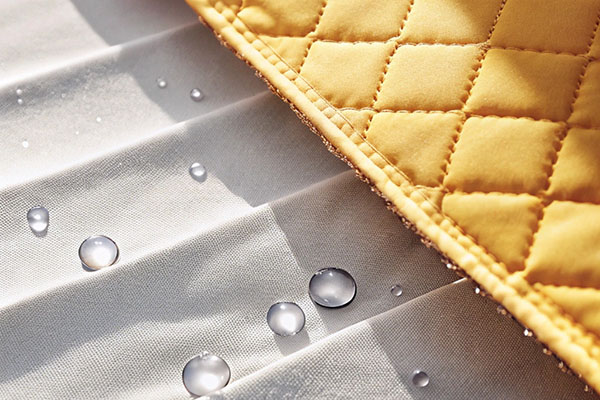
Cotton has high absorbency, meaning it soaks up sweat instead of wicking it away from the body.
Why this is a problem:
- Retains sweat: Cotton becomes heavy and damp during exercise, leading to discomfort.
- Chafing: Wet cotton increases friction, causing irritation and chafing on the skin.
- Lowers performance: The weight of sweat-soaked clothing can hinder movement and endurance.
2. Cotton Dries Slowly
Unlike synthetic fabrics, cotton takes a long time to dry, exacerbating the discomfort caused by sweat retention.
Why this matters:
- Prolonged wetness can make the wearer feel cold post-exercise, especially in cooler climates.
- Slow drying limits the practicality of cotton for back-to-back workouts or outdoor activities.
3. Cotton Lacks Elasticity
Cotton does not stretch or recover as well as materials like spandex or nylon, which are essential for sportswear.
Why flexibility is important:
- Athletic movements like stretching, running, or jumping require fabric that moves with the body.
- Cotton’s rigidity can restrict motion, making it unsuitable for dynamic activities like yoga or aerobics.
4. Cotton Is Less Durable
Intense workouts demand durable fabrics that can withstand repeated use, stretching, and frequent washing.
Why cotton falls short:
- Cotton fibers break down faster when exposed to sweat and friction.
- Repeated washing can lead to pilling, shrinking, or loss of shape, reducing the garment’s lifespan.

The Science Behind Cotton’s Unsuitability for Sportswear
The limitations of cotton stem from its natural structure. Cotton fibers are hydrophilic, meaning they absorb water rather than repel it. While this property is ideal for towels or casual T-shirts, it’s a disadvantage in sportswear where moisture management is critical.
What Fabrics Are Better for Sportswear?
Modern sportswear relies on synthetic and performance-oriented fabrics to address the shortcomings of cotton. Here are some popular alternatives:
1. Polyester
Polyester is a top choice for sportswear due to its moisture-wicking and quick-drying properties.
Features:
- Hydrophobic: Repels water, keeping sweat away from the skin.
- Durable: Withstands frequent washing and intense activities.
- Lightweight: Ensures comfort during long workouts.
Best for: Running, team sports, and gym wear.
2. Nylon
Known for its strength and silky texture, nylon is another preferred fabric for activewear.
Features:
- Stretchable: Allows for unrestricted movement.
- Quick-drying: Dries faster than cotton, minimizing discomfort.
- Durable: Handles wear and tear from high-intensity workouts.
Best for: Yoga, cycling, and outdoor sports.
3. Spandex (Elastane)
Spandex (Elastane)3 is renowned for its stretch and recovery, making it ideal for flexible sportswear.
Features:
- Elasticity: Stretches up to 500% without losing shape.
- Comfortable fit: Conforms to the body for a supportive feel.
Best for: Compression wear, dancewear, and high-performance gear.
4. Bamboo Fabric
An eco-friendly alternative, Bamboo Fabric4 combines comfort with performance.
Features:
- Moisture-wicking: Draws sweat away from the skin.
- Breathable: Keeps the body cool during workouts.
- Anti-bacterial: Naturally resists odors.
Best for: Yoga, pilates, and light exercise.

Comparing Cotton to Synthetic Fabrics
| Feature | Cotton | Synthetic Fabrics (Polyester, Nylon, Spandex) |
|---|---|---|
| Moisture Management | Absorbs sweat, stays wet | Wicks sweat, dries quickly |
| Breathability | Highly breathable | Breathable with moisture control |
| Durability | Less durable, prone to wear | Highly durable, withstands intense use |
| Stretch | Limited flexibility | Excellent elasticity |
| Weight When Wet | Heavy | Lightweight |
Pro Tip: While cotton may work for low-intensity activities like walking, synthetic fabrics are better suited for moderate to high-intensity workouts.
When Is Cotton Suitable for Activewear?
Despite its drawbacks, cotton can still be useful in certain types of activewear.
1. Casual Athleisure
For activities like walking, light stretching, or casual wear, cotton provides unmatched comfort and softness.
2. Cooler Climates
In low-sweat activities or cooler weather, cotton blends (e.g., cotton-polyester) offer a balance of comfort and moisture management.
How to Address Cotton’s Limitations
For brands or individuals who prefer cotton, blending it with performance fabrics can enhance its functionality.
Cotton-Polyester Blends
Blending cotton with polyester5 creates a fabric that is soft yet moisture-wicking, making it suitable for light workouts or everyday activewear.
Treated Cotton
Some manufacturers treat cotton to improve its moisture-wicking and quick-drying properties, making it more practical for exercise.
The Rise of Sustainable Alternatives
As sustainability gains traction, eco-friendly fabrics like organic cotton or recycled polyester are becoming popular in activewear. These materials combine performance with environmental responsibility.
Conclusion
While cotton is a comfortable and breathable fabric, its inability to manage moisture, stretch, and durability makes it unsuitable for sportswear. Synthetic fabrics like polyester, nylon, and spandex outperform cotton in nearly every category, ensuring optimal performance during exercise. However, cotton-polyester blends or treated cotton can provide a middle ground for those who value its softness while seeking improved functionality. Choosing the right fabric ultimately depends on the activity and personal preferences.
-
Learn about cotton’s moisture-absorbing properties and why it’s unsuitable for activewear. ↩
-
Discover how polyester enhances moisture management and durability in sportswear. ↩
-
Understand why spandex is crucial for stretch and flexibility in athletic wear. ↩
-
Explore how bamboo fabric combines eco-friendliness with performance for light exercise. ↩
-
Learn how blending cotton with polyester improves moisture-wicking and durability. ↩