Skip to content
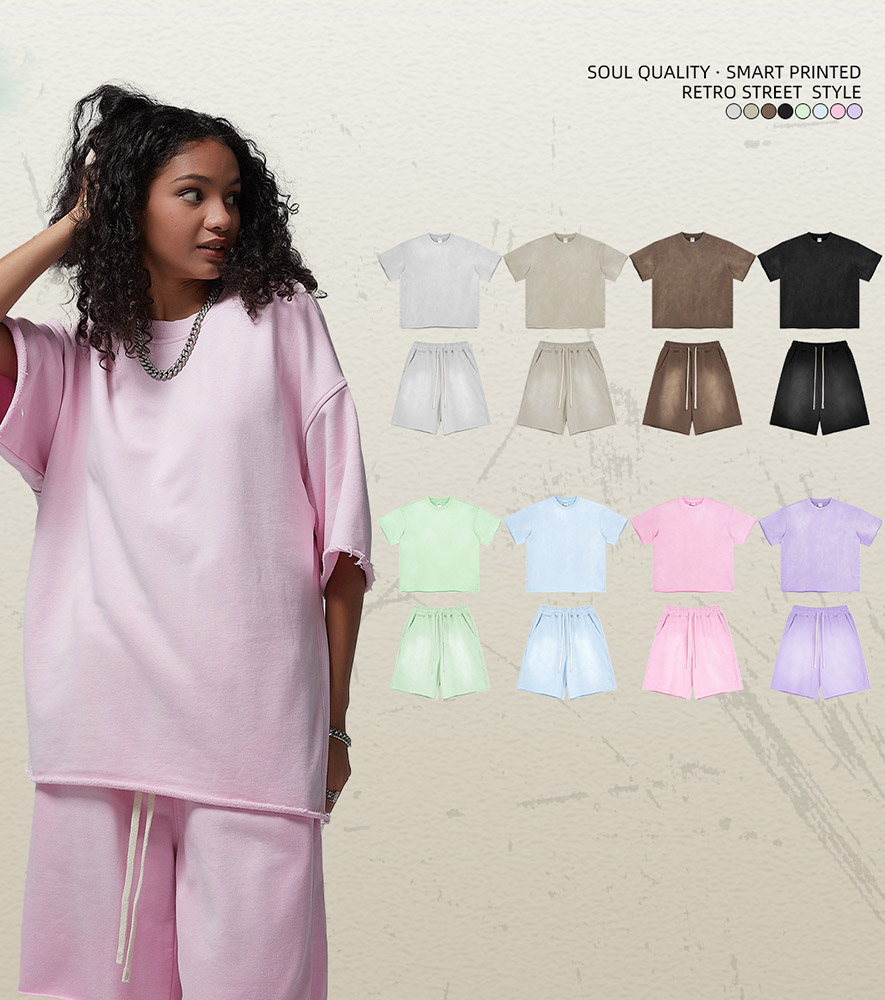
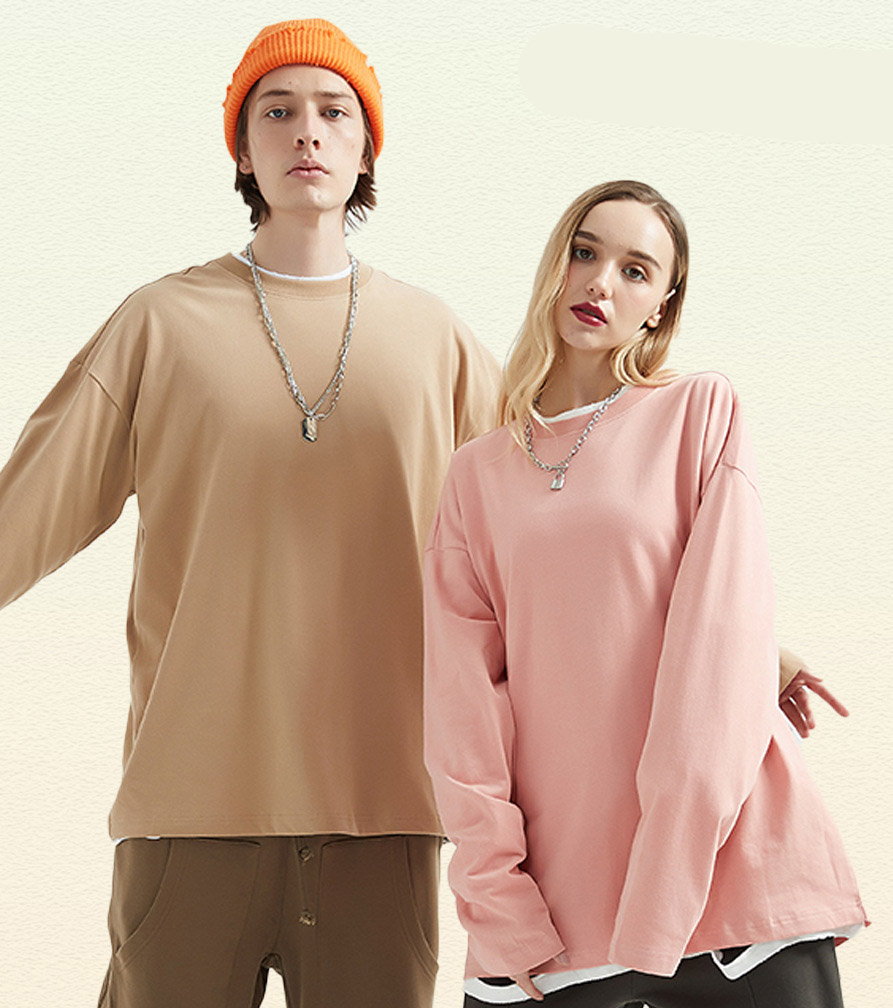
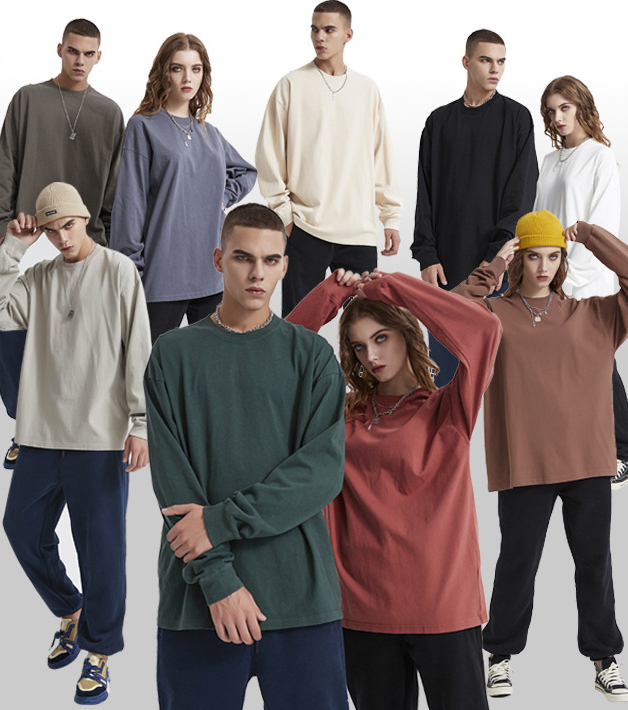
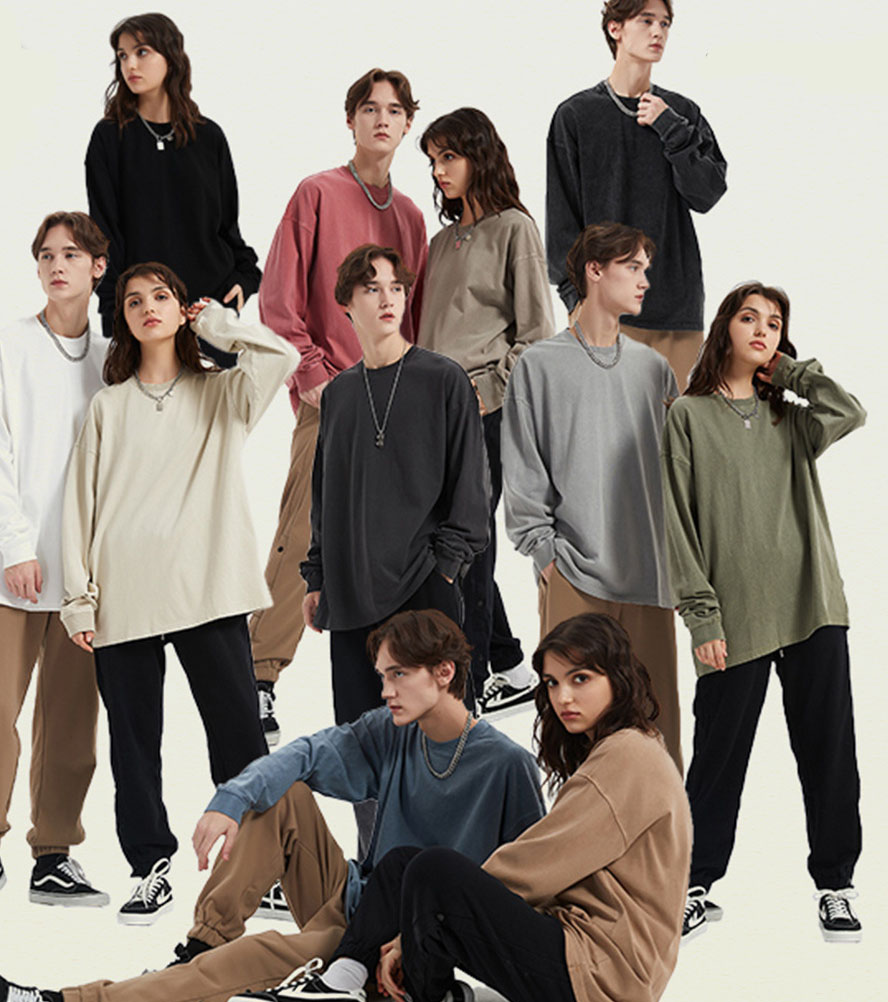
People often think basic T-shirts1 are "too simple" to be profitable. But simplicity is exactly why they work. In a market full of trends and changes, basic T-shirts are the quiet engine that keeps brands growing steadily.
Basic T-shirts are evergreen products. With low risk, high repurchase, and wide applicability, they continue to generate stable sales and build brand trust, even in volatile markets.
I used to think that making basics was a backup plan. Now I know—it’s the core. Every fashion brand I’ve worked with, no matter how edgy or trendy, always relies on a solid basic line to stay alive and profitable.
What is a basic T-shirt? Why is it called "the life-saving model of the brand"?
A basic T-shirt sounds boring, but it’s anything but. It’s a hidden hero in a brand’s product matrix.
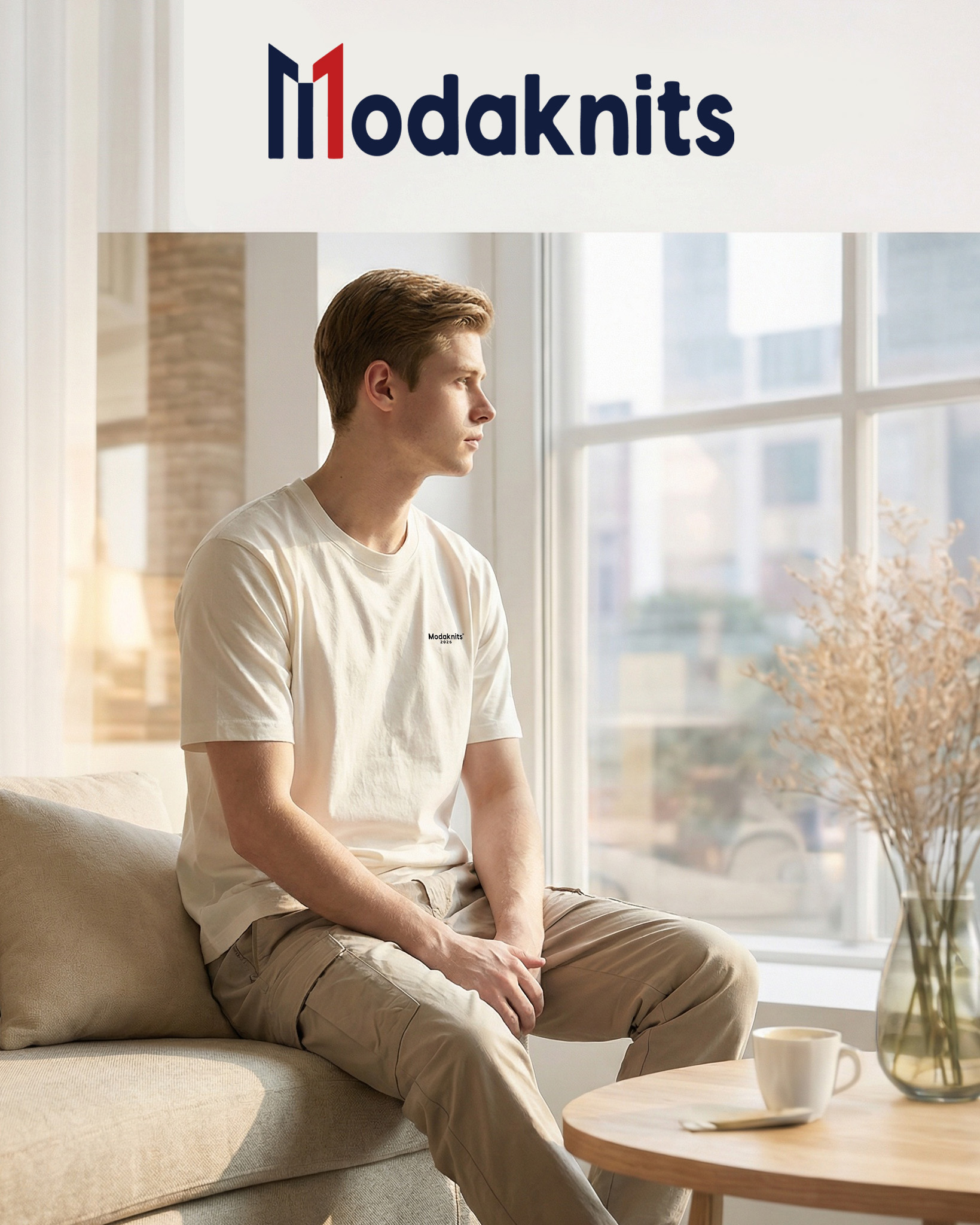
A basic T-shirt is a timeless, trend-resistant product defined by neutral color, simple silhouette, and daily usability. It becomes a reliable, low-friction purchase for all consumer groups.

When everything else in fashion feels uncertain, this one product offers brands something they can always count on. That’s why we call it the "life-saving model."
What is the definition and attributes of a basic T-shirt? Why does it not rely on fashion trends?
A basic T-shirt has three key traits: simple design, high compatibility with other garments, and seasonless relevance. It doesn’t need trends to sell—it sells because it fits into any style.
Here’s a quick breakdown:
| Attribute | Explanation |
|---|---|
| Simple Cut | Usually crew neck or V-neck, short sleeves |
| Neutral Color | White, black, gray, navy |
| Style Agnostic | Can be worn in any fashion system |
These products are immune to trend fatigue. That’s their superpower.
High repurchase, low cognitive cost, strong stability – the natural advantages of basic models in business
Consumers don’t need to “think” before buying basics. That’s what makes them profitable: low decision stress and high everyday value.
Basic T-shirts are often repurchased in multiples. Once customers trust your version, they buy again—same item, different color or size. This brings brands stable revenue.
How do changes in consumer behavior drive the continued growth of basic T-shirts?
We’re entering an era of smarter consumption. People want less, but better.
Trends like minimalism2, “quiet luxury,” and value-for-money buying habits are boosting the basic T-shirt category. Simplicity is now fashionable.
When I speak with brand owners or sourcing managers, this shift is clear. They’re not just chasing novelty—they want SKUs that work in the long term.

How do the consumer trends of "minimalism", "low-key luxury" and "cost-effectiveness first" support basic models?
These values reject over-designed products. Consumers now prefer fewer but more refined pieces—basic tees fit this mindset perfectly.
Key Consumer Shifts:
- Minimalism → clean, versatile basics
- Low-key Luxury → premium cotton, subtle detail, no logo
- Cost-effectiveness → high quality-to-price ratio
That’s why basic T-shirts are thriving on platforms like UNIQLO, COS, and Everlane.
From one to three: How does Generation Z achieve "commuting + leisure + layering" through basic models?
Gen Z loves multifunctional clothing. A basic tee can be styled for work, worn casually on weekends, and layered with fashion pieces.
Think of a white tee. Tucked into trousers = formal. Over leggings = athleisure. Under a vest = streetwear. One product, multiple use cases—that’s Gen Z logic.
From the perspective of brand operation: How do basic T-shirts support profit models and brand trust?
You may not notice this from the outside, but behind the scenes, basic tees play a key role in brand planning.
They act as entry-level products that drive traffic, stabilize cash flow, and help build consumer confidence in product quality.
When I help brands structure product hierarchies, basics always come first.
Basic models = traffic entrance? How to drive high-order series sales through basic models?
Once a customer is happy with a basic tee, they’re more likely to buy from the same brand again. It’s the start of a sales funnel.
Business Funnel Example:
- Step 1: Customer tries basic tee → low cost, low risk
- Step 2: Positive experience builds trust
- Step 3: Customer explores higher-priced seasonal items
- Step 4: Brand achieves repeat purchase and upsell
Basics are how brands earn the right to sell trendier or premium items.
Why are Uniqlo, COS, and Everlane all heavily invested in basic series?
Because basics give them volume, visibility, and brand positioning. They’re not just products—they’re strategic tools.
| Brand | Focus | Value in Basics |
|---|---|---|
| UNIQLO | Tech + price performance | Everyday go-to |
| COS | Minimalist design + drape | Elevated essentials |
| Everlane | Transparency + quality | Ethical + refined basics |
Each has its own approach—but all treat basics as core assets.
Product dimension: Although basic T-shirts are “basic”, there is still room for improvement
Even if something looks simple, it can still be made better.
Brands now invest in fabric innovation3, improved fits, and better finishes to turn basics into elevated essentials.
We’ve done this for clients—upgrading stitching, dyeing, or neckband shape can lead to a spike in reorders.
Fabric technology upgrade: AIRism, antibacterial cotton, and environmentally friendly materials enhance product strength
Fabric is where “basic” becomes “premium.” Tech-enhanced cotton, cooling materials, and eco-friendly dyes give basics an edge.
| Fabric Innovation | Functionality |
|---|---|
| AIRism (Uniqlo) | Moisture-wicking, cooling |
| Antibacterial Cotton | Odor-resistant, hygienic |
| Recycled Cotton/Modal | Eco-conscious appeal |
These materials add real value—and customers feel the difference.
Refined iteration of the version: slightly dropped shoulders, drape, and optimized shoulder line contours enhance the wearing experience
Subtle upgrades in cut and silhouette improve the look and feel without losing the “basic” appeal.
Key Version Upgrades:
- Dropped Shoulders: Adds relaxed feel, trend-aware
- Contoured Shoulder Lines: Better structure, modern fit
- Improved Drape: Flatter shape on the body, less boxy
These tiny changes help your basic tee feel more expensive, even at the same price.
Conclusion
The basic T-shirt market is not just “alive”—it’s quietly growing. With the right strategy in fabric, versioning, and positioning, brands can turn simple products into long-term profit engines.
-
Explore how basic T-shirts serve as a foundation for fashion brands, driving sales and customer loyalty. ↩
-
Discover the impact of minimalism on fashion choices and how it shapes consumer preferences for basics. ↩
-
Learn about cutting-edge fabric technologies that enhance the quality and appeal of basic clothing items. ↩