Skip to content
Single stitch shirts have become highly sought after among fashion enthusiasts and vintage collectors. While they might appear similar to modern shirts at first glance, their unique construction and nostalgic appeal set them apart. So, why do people value single stitch shirts so much?
People want single stitch shirts because they are associated with vintage clothing1, superior craftsmanship, and a minimalist aesthetic. These shirts represent an era of quality production and have become iconic in fashion history.
Let’s explore what makes single stitch shirts special, their historical context, and their role in today’s fashion trends.
What is single-needle tailoring?
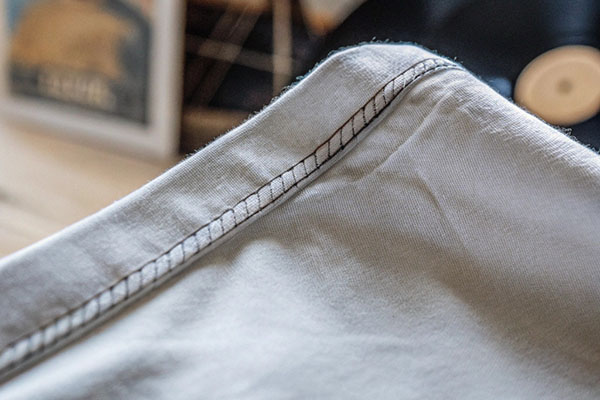
Single-needle tailoring2 is a construction technique where a sewing machine uses one needle to produce clean, precise seams. This method creates a single row of stitching that is neat and durable, with a refined finish.
Single-needle tailoring2 refers to using a single row of stitching on a seam, often found in older or high-quality garments. It results in cleaner edges, stronger seams, and a classic appearance.

How does single-needle tailoring differ from double stitching?
Modern shirts often use double stitching or overlock stitching, which involves two rows of stitches or serged seams for faster production. In contrast, single-needle stitching produces a single row of straight stitches, requiring more time and precision.
| Stitch Type | Characteristics | Common Use |
|---|---|---|
| Single Stitch | Single row of straight stitches. | Vintage and premium clothing. |
| Double Stitch | Two rows of stitches. | Modern mass production. |
| Overlock Stitch | Serged, looped edges. | Fast-fashion garments. |
Why is single-needle tailoring considered high quality?
Single-needle tailoring requires precision and skill. Because the seam is stitched carefully with a single row, it appears cleaner and is less bulky than double stitching. This craftsmanship contributes to the durability and longevity of the garment.
Many high-end brands still use single-needle stitching for shirts to emphasize quality and attention to detail.
How does single-needle stitching impact comfort?
Single-needle seams are flatter and less bulky than other stitching methods. This makes single stitch shirts more comfortable, as there is minimal irritation against the skin. For lightweight fabrics like cotton, this stitching enhances the overall wearability of the garment.
What are single stitch vintage shirts?
Single stitch vintage shirts are T-shirts made with a single line of stitching along the hems and sleeves. They are characteristic of shirts produced primarily before the mid-1990s, making them a hallmark of vintage clothing.
Single stitch vintage shirts are highly collectible garments that were manufactured before mass production favored double stitching. They are known for their quality construction, softer fabrics, and timeless designs.
Why are single stitch shirts considered vintage?
Single stitch construction was the standard before the 1990s. As fashion production methods evolved, manufacturers shifted to double stitching for faster and cheaper production. Therefore, single stitch shirts are associated with clothing from the 1970s to early 1990s.
| Era | Stitching Method | Characteristics |
|---|---|---|
| 1970s-1990s | Single Stitch | Durable, clean seams. |
| Post-1990s | Double Stitch | Faster, bulkier seams. |
Collectors and fashion enthusiasts value single stitch shirts because they represent a bygone era of garment production, evoking nostalgia and a sense of authenticity.

What makes single stitch vintage shirts valuable?
Single stitch vintage shirts are prized for several reasons:
- Historical Significance: They symbolize a time when clothing was made with greater care and attention to detail.
- Unique Designs: Many vintage shirts feature graphics, logos, or band prints that are rare and one-of-a-kind.
- Soft Fabric: Vintage shirts are often made from thinner, softer cotton that feels broken-in and comfortable.
- Rarity: Since single stitch shirts are no longer mass-produced, their scarcity increases their desirability.
Why do collectors seek single stitch shirts?
Collectors seek single stitch shirts because they are authentic pieces of fashion history. Whether it’s a 1980s concert T-shirt or a 1990s sports graphic tee, these shirts often carry cultural significance.
| Collectible Type | Example |
|---|---|
| Band T-Shirts | 1980s Rolling Stones Tour Tee |
| Sports T-Shirts | 1990s NBA Finals Merch |
| Pop Culture Graphics | Movie promo shirts like Star Wars |
For collectors, owning a single stitch shirt is like owning a time capsule—an item that tells a story about a specific moment in pop culture or fashion.
How can you identify a single stitch shirt?
Spotting a single stitch shirt is relatively simple once you know what to look for. The stitching along the hems and sleeves is the key indicator.
To identify a single stitch shirt3, inspect the hem and sleeve seams. A single line of stitching means the shirt is single stitch, whereas two lines indicate double stitching.
Step-by-step guide to identifying single stitch shirts:
- Examine the Hem: Look at the bottom hem of the shirt. If there is only one row of stitches, it’s single stitch.
- Check the Sleeves: Inspect the seam around the sleeve openings for a single line of stitching.
- Feel the Fabric: Vintage single stitch shirts are often softer and thinner than modern shirts.
- Check the Tag: Older shirts may have faded or paper-like tags, often indicating vintage production.
| Feature | Single Stitch | Double Stitch |
|---|---|---|
| Hem Seams | Single row of stitching. | Two rows of stitching. |
| Fabric Thickness | Thinner and softer. | Thicker and more structured. |
| Production Era | Pre-1990s | Post-1990s |
Why does the fabric feel different on vintage single stitch shirts?
Vintage single stitch shirts were often made with 100% cotton or a cotton-polyester blend that became softer over time. Unlike modern shirts, which sometimes use heavier, stiffer materials, these shirts have a broken-in, comfortable feel that adds to their appeal.
Why are single stitch shirts making a comeback?
As fashion cycles evolve, there has been a resurgence of interest in vintage clothing, including single stitch shirts. This trend aligns with broader cultural shifts toward sustainable fashion4, nostalgia5, and individuality.
Single stitch shirts are making a comeback because they represent quality craftsmanship, a connection to the past, and a sustainable alternative to fast fashion.
How do single stitch shirts fit into sustainable fashion?
Single stitch shirts are often second-hand or vintage, which makes them a sustainable choice. By purchasing vintage clothing, consumers reduce textile waste and minimize the environmental impact of new clothing production.
| Sustainability Factor | Benefit |
|---|---|
| Reuse and Recycling | Reduces landfill waste. |
| Longevity | Durable construction lasts longer. |
| Lower Carbon Footprint | No new resources are used. |
Why does nostalgia fuel the demand for single stitch shirts?
The return of retro trends has driven demand for vintage fashion. Single stitch shirts evoke memories of iconic cultural moments, such as 1980s rock concerts, 1990s sports teams, or classic movie releases. This connection to the past makes them particularly appealing to younger generations.
Are single stitch shirts versatile in modern fashion?
Yes, single stitch shirts can easily fit into modern wardrobes. Their minimalist seams and vintage charm make them ideal for casual wear or as statement pieces when styled with contemporary outfits.
| Styling Tip | Example |
|---|---|
| Casual Look | Pair with jeans and sneakers. |
| Layered Outfit | Wear under a flannel shirt or jacket. |
| Vintage Vibe | Tuck into high-waisted pants for a retro feel. |
Conclusion
Single stitch shirts are more than just garments; they’re a symbol of craftsmanship, history, and style. Whether you’re a collector, a vintage fashion enthusiast, or someone who appreciates quality clothing, single stitch shirts offer comfort, character, and a timeless appeal. As fashion trends continue to embrace the past, single stitch shirts are here to stay, celebrating an era when clothing was made to last.
-
Discover vintage clothing’s cultural value and historical importance. ↩
-
Learn single-needle method details to assess garment authenticity. ↩ ↩
-
Gain tips on spotting authentic single-stitch vintage shirts. ↩
-
Explore sustainable fashion’s role in eco-friendly style choices. ↩
-
Understand nostalgia’s influence for deeper appreciation of fashion. ↩