
Running is simple, but discomfort can make it unbearable. I used to wonder why many men’s running shorts have built-in liners — until I experienced the difference myself.
Men’s running shorts have liners to provide built-in support1, prevent chafing, manage moisture, and eliminate the need for separate underwear, enhancing comfort and performance during runs.
At first, I thought liners were just extra fabric. But once I tried them on a long trail run, I realized they solved problems I didn’t even know I had. Let me break down why they matter.
What Is a Liner in Running Shorts?
At a glance, the liner inside running shorts looks simple. But its role is anything but minor.
A liner in running shorts is a lightweight, built-in undergarment designed to offer support, reduce friction, and improve comfort while running.
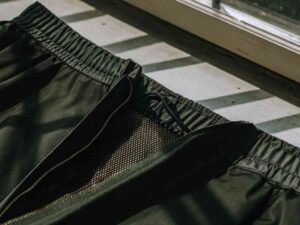 Mesh lined shorts
Definition and Basic Structure
Most liners are made from breathable, quick-dry fabrics like polyester or nylon blends. They are sewn directly into the shorts, creating a supportive layer that moves with your body.
Types of Liners: Brief-Style vs. Compression Liners
There are two main types: brief-style liners, which feel like underwear, and compression liners, which fit snug like a second skin. Briefs offer airflow, while compression liners add muscle support.
| Type | Features | Best For |
|---|---|---|
| Brief-Style | Loose, airy, supportive | Short runs, casual training |
| Compression | Tight, muscle-hugging | Long runs, high-intensity workouts |
Key Benefits of Liners in Men’s Running Shorts
I used to think liners were optional — until I realized how many problems they quietly solved.
Liners offer support, reduce skin irritation, manage sweat efficiently, and remove the hassle of wearing separate underwear.
Support and Stability During Movement
Running puts constant pressure on sensitive areas. Liners hold everything in place, minimizing bounce and discomfort, especially on long distances.
Chafing Prevention and Skin Protection
Without proper protection, friction can cause painful chafing. Liners form a smooth barrier that helps avoid skin irritation even during sweaty, high-mileage sessions.
Moisture Management: Sweat Wicking and Breathability
Good liners wick sweat away fast. They keep the skin dry, prevent overheating, and lower the risk of bacterial infections caused by trapped moisture.

Convenience: Eliminating the Need for Separate Underwear
Liners replace the need for separate briefs. Fewer layers mean better airflow, lighter weight, and one less thing to worry about before heading out.
Lined vs. Unlined Running Shorts: Which One Is Better for You?
Choosing between lined and unlined shorts changed how I approach different runs.
Lined shorts provide built-in support and moisture management2, while unlined shorts offer flexibility for layering based on personal preference.
Pros and Cons of Lined Shorts
| Pros | Cons |
|---|---|
| Built-in support | Limited versatility |
| Better sweat management | Not customizable |
| Less risk of chafing | Fit may not suit everyone |
Pros and Cons of Unlined Shorts
| Pros | Cons |
|---|---|
| Flexibility to choose own underwear | Risk of mismatched layers |
| Can wear compression shorts underneath | Extra bulk and friction risk |
| Great for gym or crossover workouts | Less built-in support |
Best Use Cases for Each Type (Long Runs, Trail Running, Racing)
- Lined shorts: Best for long runs, trail running, everyday training.
- Unlined shorts: Ideal for gym sessions, casual running, or when layering compression shorts underneath.
Do You Still Need to Wear Underwear with Lined Running Shorts?
I used to double up by mistake — trust me, it’s not comfortable.
No, you don’t need to wear separate underwear with lined running shorts; the liner itself acts as your undergarment, designed to perform better than regular underwear.
Expert Opinions on Comfort and Performance
Running experts agree: additional underwear can cause bunching, overheating, and more friction. Running shorts are engineered to work best on their own.
Tips for First-Time Users of Lined Shorts
- Trust the liner: ditch the extra underwear.
- Try different fits until you find one that feels like a second skin.
- Wash properly to maintain fabric breathability.
How to Choose the Right Liner for Your Running Needs
I learned the hard way that not all liners are made equal.
Choosing the right liner depends on fit, fabric, and the type of running you do, from daily training to racing.
Fit and Compression Levels
Some runners like a snug fit for muscle support. Others prefer a looser feel for freedom of movement. Always move around in the shorts before buying.

Fabric Choices: Lightweight Mesh vs. Stretch Compression
- Mesh Liners: More breathable, lightweight, perfect for short runs and warm climates.
- Compression Liners: Tighter, supportive, ideal for longer runs and cooler weather.
Considerations for Different Weather Conditions
- Hot weather: go for lightweight, ultra-breathable liners.
- Cold weather: look for liners with slight insulation and moisture-wicking properties.
Top Men’s Running Shorts with Excellent Liners
Over the years, I’ve tested a lot of shorts. Some stand out every time.
Top-rated men’s running shorts with liners balance comfort, support, and sweat management better than others.
Nike Dri-FIT Challenger Lined Shorts
Soft, breathable liner. Great for everyday runs. Excellent moisture control.
Lululemon Pace Breaker Shorts
Premium build. Lightweight liner with a flexible feel. Great for both running and gym workouts.
Under Armour Launch Shorts
Snug fit with a compression liner option. High sweat-wicking performance, especially during intense workouts.
Brooks Sherpa Shorts
Minimalist design. Smooth brief-style liner. Best for long runs where chafing is a concern.
Conclusion
Men’s running shorts with liners are not just about looks — they solve real problems for runners. Picking the right style can make every run more comfortable, efficient, and enjoyable.












