Skip to content
Portugal has earned a reputation as one of the leading hubs for clothing manufacturing in Europe, attracting both luxury and mid-range brands. From high-quality craftsmanship to sustainability, Portugal offers a unique combination of advantages that make it an ideal location for producing garments. But what sets Portugal apart, and why are so many clothes made there?
Portugal is a global leader in clothing manufacturing1 due to its focus on quality, ethical production practices, and expertise in textiles, particularly knitwear, denim, and sustainable fashion.
In this article, we’ll explore the types of clothing Portugal is known for, compare it to other countries in garment manufacturing, and uncover why it’s a preferred destination for brands worldwide.
What Clothing Is Portugal Known For?
Portugal’s textile industry is recognized for its emphasis on craftsmanship, sustainability, and technological innovation. Certain types of clothing have become synonymous with Portuguese manufacturing.
Portugal is known for producing high-quality knitwear, premium denim, sustainable activewear, and luxury apparel.
1. Knitwear
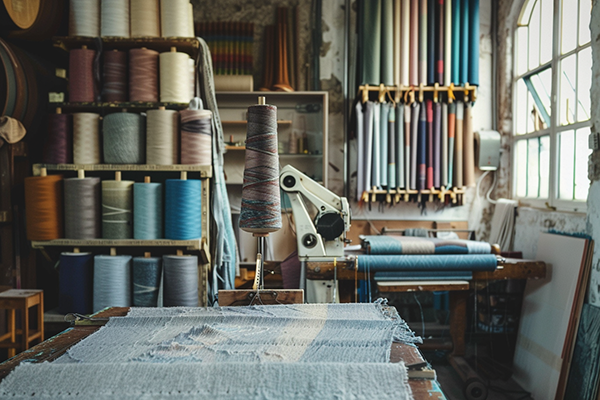
Portugal excels in creating beautifully crafted knitwear, with factories specializing in sweaters, cardigans, and other knitted garments.
-
Why It Stands Out:
- Expertise in circular and flat knitting techniques2.
- High-quality wool, cotton, and blended materials sourced locally or from trusted suppliers.
-
Popular Brands:
- Many luxury and eco-conscious brands rely on Portuguese manufacturers for their knitwear collections.
2. Premium Denim
Portugal is a significant player in the premium denim market, producing jeans and jackets for top global brands.
-
Why It Stands Out:
- Factories use advanced dyeing and finishing techniques to create durable and stylish denim.
- A focus on reducing water usage and chemical waste aligns with sustainable practices.
-
Portuguese Denim Hubs:
- Cities like Braga and Guimarães3 are centers for denim manufacturing.
3. Sustainable Activewear
Portugal is also a rising star in activewear, particularly for brands prioritizing eco-friendly practices.
- Why It Stands Out:
- Access to innovative fabrics like recycled polyester and organic cotton.
- Factories equipped with advanced machinery for performance clothing.
4. Luxury and High-End Apparel
Portugal produces tailored suits, dresses, and coats for luxury fashion houses.
- Why It Stands Out:
- Skilled artisans ensure precise craftsmanship.
- Small production runs are common, catering to exclusivity in luxury fashion.
| Clothing Type | Why Portugal Excels |
|---|---|
| Knitwear | Expertise in advanced knitting techniques |
| Denim | Sustainable practices and premium quality |
| Activewear | Focus on eco-friendly materials |
| Luxury Apparel | High-end craftsmanship and exclusivity |
Portugal’s specialization in these areas makes it a preferred choice for brands looking for quality and sustainability.
Why Is Portugal So Attractive for Clothing Manufacturing?
Several factors contribute to Portugal’s status as a top destination for clothing production:

1. Quality and Craftsmanship
- Portuguese manufacturers have a long tradition of textile production, ensuring high standards of quality.
- Skilled workers with expertise in sewing, cutting, and finishing create garments with meticulous attention to detail.
2. Sustainability and Ethical Practices
-
Portugal is at the forefront of sustainable fashion, offering:
- Factories with low-carbon footprints.
- Use of renewable energy in manufacturing processes.
- Eco-friendly fabrics like organic cotton and recycled materials.
-
Ethical labor practices ensure fair wages and safe working conditions, setting Portugal apart from lower-cost production countries.
3. Proximity to European Markets
- Being located in Europe provides logistical advantages, such as shorter shipping times and lower transportation costs for brands selling in the region.
4. Advanced Technology
- Portuguese factories are equipped with cutting-edge machinery for laser-cutting, 3D knitting, and fabric testing.
- This innovation allows manufacturers to produce complex designs and experiment with new materials.
5. Small-Batch Production
- Portugal caters to luxury and boutique brands by offering small production runs, enabling exclusivity and reducing overproduction.
| Advantage | Details |
|---|---|
| Quality and Craftsmanship | Skilled artisans ensure premium results |
| Sustainability | Focus on eco-friendly and ethical practices |
| Proximity to Europe | Reduces shipping time and costs |
| Advanced Technology | Enables innovation in garment design |
| Small-Batch Production | Ideal for luxury and boutique brands |
These factors collectively make Portugal a preferred manufacturing destination for brands worldwide.
Which Country Is Best for Making Clothes?
While Portugal stands out in several areas, other countries also play crucial roles in global clothing manufacturing. Each offers unique advantages depending on the type of apparel being produced.
1. China
-
Why It’s Best:
- Largest exporter of textiles globally4.
- Offers competitive pricing for mass production.
- Advanced infrastructure and supply chain efficiency.
-
Drawbacks:
- Concerns about sustainability and ethical labor practices in some factories.
- Longer shipping times to Western markets.
2. Bangladesh
-
Why It’s Best:
- Known for producing affordable, high-volume garments like t-shirts and denim.
- Major player in the fast-fashion industry.
-
Drawbacks:
- Quality control issues in some factories.
- Environmental and ethical concerns regarding production practices.
3. Italy
-
Why It’s Best:
- Renowned for luxury and high-fashion clothing, including suits, leather goods, and couture.
- Emphasis on craftsmanship and exclusive designs.
-
Drawbacks:
- High production costs compared to other countries.
4. Portugal
-
Why It’s Best:
- Balances quality and sustainability with affordability.
- Ideal for brands focusing on eco-conscious and premium apparel.
-
Drawbacks:
- Production costs are higher than in Asian countries like Bangladesh or Vietnam.
| Country | Specialization | Key Advantage |
|---|---|---|
| China | Mass production | Cost efficiency, advanced infrastructure |
| Bangladesh | Affordable basics and fast fashion | Low labor costs |
| Italy | Luxury and couture | Premium craftsmanship |
| Portugal | Sustainable, high-quality garments | Eco-friendly practices and versatility |
Choosing the best country depends on a brand’s priorities, such as cost, quality, and environmental considerations.

Why Sustainability Matters in Portuguese Manufacturing
Portugal’s focus on sustainability gives it a competitive edge in the fashion industry:
1. Reduced Environmental Impact
- Factories in Portugal prioritize renewable energy and water-saving technologies to minimize waste.
2. Circular Fashion Practices
- Many manufacturers are adopting circular fashion models5, recycling old garments into new fabrics.
3. Certification and Transparency
- Portuguese factories often carry certifications like GOTS (Global Organic Textile Standard) and OEKO-TEX3, ensuring ethical and eco-friendly production.
This commitment to sustainability aligns with consumer demand for greener fashion and positions Portugal as a leader in responsible manufacturing.
Conclusion
Portugal has become a major hub for clothing manufacturing due to its exceptional quality, ethical production practices, and focus on sustainability. The country is known for producing premium knitwear, denim, activewear, and luxury apparel, making it a top choice for brands worldwide. While other nations like China and Bangladesh dominate mass production, Portugal stands out as the ideal destination for eco-conscious and high-quality apparel.
For brands seeking craftsmanship, innovation, and sustainable practices, Portugal is an unbeatable choice in the global fashion landscape.