Skip to content
Many shoppers wonder why a simple cotton T-shirt can cost several times more than a synthetic or blended tee. The answer goes far beyond basic materials—factors like cotton type, production ethics, global supply chain challenges1, and finishing details all play a role. Knowing what’s behind the price helps buyers and brands make better choices.
Cotton shirts are expensive because premium cotton2 (like Pima, Supima, or organic), advanced manufacturing, ethical labor, and volatile supply chains all increase costs. Brands also invest in design, finishing, and quality controls, making high-end cotton tees both durable and desirable.
As a manufacturer and industry observer, I see firsthand how each step—farming to finishing—adds value and cost. Let’s explore what really drives up the price of cotton shirts.
Fabric Quality and Type: Not All Cotton Is Created Equal
The kind of cotton used in your shirt is a primary factor in cost—and quality. There are major differences between regular, long-staple, and organic cotton.
Premium cotton varieties like Pima, Supima, and organic cotton are significantly more expensive than standard cotton due to their longer fibers, softness, strength, and responsible farming. Higher GSM, tighter weaves, and special finishing also drive up material costs.
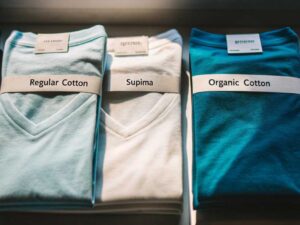 Cotton Fabric Shirt Comparison
Do Pima, Supima, or organic cotton cost significantly more than regular cotton?
Yes, these specialty cottons often cost 30–80% more at the raw fiber stage, and even more after processing and certification.
- Pima/Supima: Extra-long staple fibers make yarns softer, stronger, and less prone to pilling. Supima is US-grown and trademarked, guaranteeing quality.
- Organic cotton: Grown without synthetic pesticides/fertilizers, requiring more labor and careful management. Certification (like GOTS) adds cost.
- Blends: Adding modal, bamboo, or Tencel can increase price for added softness or performance.
How do GSM, weave tightness, and finishing treatments impact price?
Heavier GSM (grams per square meter), tighter weaves, and finishing treatments (enzyme wash, mercerization, garment-dye) all raise the cost per yard and enhance the final product.
- GSM: Higher GSM means more raw material per shirt, and a more substantial feel.
- Weave: Dense, fine weaves use more yarn and run slower on looms, raising labor and material costs.
- Finishing: Softening, preshrinking, and color treatments require extra time, chemicals, and skilled labor.
| Factor | Cost Impact | Benefit |
|---|---|---|
| Pima/Supima | +30–60% | Superior softness, strength |
| Organic cotton | +30–80% | Eco-friendly, less irritation |
| High GSM/weave | +10–30% | Durability, luxury hand-feel |
| Special finish | +10–20% | Premium look and comfort |
T-Shirt Manufacturer Factors That Drive Up Cost
Who makes your shirt—and how—matters just as much as the fabric.
Labor costs, ethical sourcing3, and local production standards can raise the price per shirt dramatically. Small-batch production, detailed designs, and the need for tech packs also add to the bill.

Is labor, ethical sourcing, or local production inflating the base price?
Absolutely. Wages, workplace safety, and compliance are major contributors. Local production (US, Europe, Australia) is pricier than offshore, but can mean better quality and faster turnaround.
- Labor: High-wage countries add $2–$6+ per shirt vs. $0.50–$1.50 in developing countries.
- Ethical sourcing: Certifications (Fair Trade, BSCI, WRAP) demand safe conditions and higher wages.
- Local production: Shortens lead times and improves quality control, but with higher operating costs.
How do small-batch orders, design complexity, and tech packs add to cost?
Small orders lack scale, so setup and sample fees are divided among fewer shirts. Complex graphics, unique patterns, and required tech packs (detailed instructions for factories) mean extra hours for designers and technicians.
- Small-batch: Higher unit price, often $8–$16 per shirt for 50–100 units.
- Design complexity: More print colors, embroidery, or trims add labor and materials.
- Tech packs: Essential for custom orders; cost $50–$200 each.
| Cost Driver | Typical Impact |
|---|---|
| Labor/ethics | +10–40% per shirt |
| Small batch | +20–60% per shirt |
| Design/tech pack | +$1–$5 per shirt |
Global Cotton Market Trends and Supply Chain Challenges
Cotton pricing and shirt costs aren’t just about the farm or factory—worldwide trends and logistics matter too.
Raw cotton prices have risen in recent years due to climate change, trade restrictions, and higher energy costs. Shipping disruptions and logistics bottlenecks further raise costs and cause volatility in finished shirt pricing.

Are raw cotton prices increasing due to environmental or trade factors?
Yes. Droughts, floods, and stricter farming regulations in major cotton-producing countries (like the US, India, and China) drive up prices. Trade disputes and tariffs also impact global supply and cost.
- Recent years have seen double-digit increases in cotton prices during droughts and global supply shortages.
- Sanctions or trade wars can spike the price of both raw and processed cotton, especially for organic.
How do fluctuations in shipping and logistics affect shirt pricing?
Shipping costs have doubled or tripled at times due to global disruptions—especially during pandemics or geopolitical conflicts.
- Freight, customs, and last-mile delivery can add $0.50–$3 per shirt.
- Factory shutdowns and port delays increase lead times and storage costs.
- Brands may pass these extra costs to customers to maintain margins.
Is It Worth Paying More for Cotton Shirts?
Premium cotton shirts are expensive, but do they deliver better value over time? The answer is usually yes—especially for those who care about feel, durability, and brand reputation.
Expensive cotton shirts generally last longer, feel softer, and maintain shape and color better than cheaper alternatives. High-quality cotton enhances brand perception, encourages customer loyalty, and justifies a higher price tag.
Do expensive cotton shirts really last longer and feel better?
Yes. Shirts made from premium cotton resist pilling, fading, and stretching, and become softer with each wash. This long-term comfort and durability provide better value, even at a higher upfront price.
- Cheaper shirts often shrink, twist, or lose color after a few washes.
- Premium cotton fibers hold dye better, withstand repeated laundering, and retain their drape and fit for years.
- Many consumers report “cost per wear” is actually lower for quality shirts.
How does high-quality cotton influence brand perception and customer loyalty?
Offering premium cotton shirts positions a brand as high-end, ethical, and quality-driven, making customers more likely to return and recommend.
- Brands using Supima, organic, or certified cotton can command higher prices and more trust.
- Satisfied customers often become advocates, sharing their positive experience and boosting word-of-mouth.
- Eco-conscious and premium positioning attract discerning buyers willing to pay a premium.
Conclusion
Cotton shirts are expensive due to premium materials, ethical manufacturing, global supply chain costs, and investment in durability and design. Paying more for high-quality cotton pays off in better comfort, longer wear, and stronger brand loyalty—making it a smart investment for both shoppers and brands.
-
Discover the factors influencing cotton prices globally, including climate change and trade issues, to understand market volatility. ↩
-
Explore the advantages of premium cotton, including its durability and comfort, to understand why it justifies a higher price. ↩
-
Learn how ethical sourcing affects production costs and quality, ensuring fair labor practices and sustainability in fashion. ↩