Skip to content
Choosing the right private label intimate apparel manufacturer is a critical step for any brand—whether you’re a startup or an industry veteran. Each year, many new labels join the market, but only a few succeed quickly. As someone who’s worked closely with both new and established brands, I often get asked: Who really manufactures those private label lingerie1 collections? In this post, I’ll break down the true story behind private label intimate apparel manufacturing, based on real industry experience.
Private label intimate apparel brands are manufactured by professional factories that offer a full range of services, including design, development, production, quality control2, and delivery, all under the client’s own brand.
Let’s dive into what private label manufacturers are, which companies lead the global market, how the process works, and why this business model is so powerful. I’ll share practical advice, real examples, and essential criteria to help you pick the best manufacturing partner for your needs.
What Are Private Label Intimate Apparel Manufacturers?
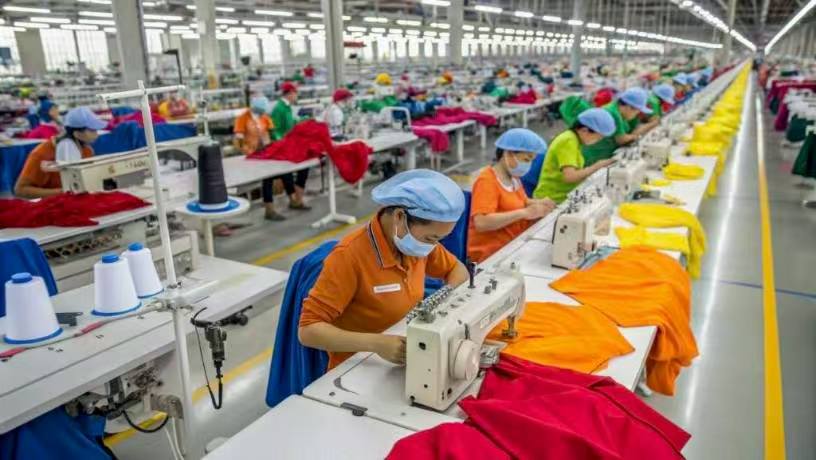
Textile Production Lin
Private label intimate apparel manufacturers are specialized factories that produce lingerie, underwear, bras, and shapewear for other brands—often with a strong focus on customization3, flexibility, and efficiency. As a brand owner, you provide your vision, and they take care of turning it into finished products ready for your customers.
A private label intimate apparel manufacturer handles everything from design and pattern development to bulk production and packaging, so brands can focus on marketing and sales instead of running a factory.
This approach lets brands quickly launch unique products, enter new markets, and grow their collections with much lower risk and cost compared to building their own factory or team from scratch.
How Do Private Label Manufacturers Create Custom Products for Other Brands?
The real value of private label manufacturing lies in transforming a brand’s idea into reality. Leading manufacturers have teams of designers, pattern makers, and fabric specialists who work together to ensure your creative concepts come to life exactly as you imagine.
Manufacturers turn your ideas—design sketches, fabric preferences, branding details—into finished samples, adjust them to your feedback, and only start bulk production once everything is just right.
Dive Deeper: Typical Customization Process
- Initial Consultation: Share mood boards, sketches, reference samples, and key requirements.
- Pattern Development: The factory develops technical patterns and makes adjustments for fit and sizing.
- Material Sourcing: Manufacturers help source and suggest fabrics, laces, trims, and hardware.
- Sample Making: Sample(s) are produced for your review, fitting, and testing.
- Revision Cycles: Samples are adjusted and improved as needed until approved.
| Step | Brand’s Role | Manufacturer’s Role |
|---|---|---|
| Idea & Design | Provide inspiration/sketches | Develop patterns & specs |
| Fabric & Color | Select or approve | Source, test, recommend |
| Sampling | Review, fit, feedback | Make, revise, resubmit |
| Bulk Order | Confirm & pay | Mass produce & QC |
| Delivery | Confirm address, plan launch | Pack & ship worldwide |
Typical Customization Requests
- Unique lace or printed fabrics
- Functional or sustainable textiles4 (antibacterial, recycled)
- Size extensions (petite, plus-size, custom fits)
- Custom trims, packaging, and branded accessories
What Services Do Private Label Intimate Apparel Manufacturers Offer?
Unlike traditional OEM factories, private label manufacturers provide a one-stop solution. They’re more than just sewing workshops—they offer everything from design support to packaging innovation.
A top private label manufacturer provides: design development, pattern making, fabric/trims sourcing, sample production, custom labels and packaging, strict quality inspections, international logistics5, and even after-sales support.
Dive Deeper: Typical Service Checklist
- Trend and design development
- Pattern grading and size optimization
- Fabric and trim sourcing from approved mills
- Custom brand labels, care tags, and packaging solutions
- Quality assurance at every stage (in-line and final QC)
- Certification support (e.g. OEKO-TEX, BSCI)
- Fast sample lead times, urgent shipping options
Pro tip: Some factories even help with compliance and testing for specific country regulations, which is essential for global brands.
Who Are the Leading Private Label Intimate Apparel Manufacturers Worldwide?
The world’s private label lingerie industry is highly concentrated in a handful of regions: China, Turkey, Sri Lanka, Vietnam, and Bangladesh. Each region has its strengths—some excel at cost control, others at innovation or luxury quality.
The leading global manufacturers in private label intimate apparel are based in China, Sri Lanka, Turkey, and the USA. They are known for advanced technology, scalable capacity, and strict quality management.
What Are the Top Companies Specializing in Private Label Lingerie and Intimate Wear?
Some factories focus exclusively on lingerie and shapewear, while others cover the full apparel spectrum. Here’s a list of recognized leaders in this field:
- Modaknits (China): Agile production, trend-driven design, flexible minimums for Western brands.
- MAS Holdings (Sri Lanka): Industry innovation, sustainability, and massive production scale.
- Delta Galil (Israel/USA): Global presence, excellent quality, major client base (Calvin Klein, Tommy Hilfiger).
- Wacoal (Japan/Asia): Ergonomic fit, technical craftsmanship, long heritage.
- Yunus Textile (Turkey): Integrated fabric mills, cost advantage, vertical supply chain.
Dive Deeper: Leading Manufacturer Comparison Table
| Manufacturer | Country | Key Strengths | Major Clients |
|---|---|---|---|
| Modaknits | China | Fast, flexible, custom-driven | USA/Europe brands |
| MAS Holdings | Sri Lanka | Tech, sustainability, huge scale | Nike, Victoria’s Secret |
| Delta Galil | Israel/USA | Stable quality, global logistics | Calvin Klein, Tommy Hilfiger |
| Wacoal | Japan/Asia | Fit expertise, high craftsmanship | Wacoal & partners |
| Yunus Textile | Turkey | Own fabric, low cost, speed | European chains |
How Do Global Manufacturers Support Startup and Established Brands?
Top manufacturers invest in dedicated project teams to serve both new and mature brands. For startups, they offer low minimum order quantities (MOQs), hands-on development, and fast feedback. For established brands, they provide robust capacity, trend research, and full compliance documentation.
Leading manufacturers support brands by offering project management, flexible minimums, technology support, and ongoing innovation advice—helping brands grow from idea to industry leader.
Dive Deeper: My Real-World Experience
When I started my first label, I worried about minimum order requirements. The right factory guided me step by step—from design and pattern adjustments to final production and shipping. As my sales grew, they scaled production and kept communication clear. That level of support turned a stressful process into a true partnership.
How Does the Private Label Manufacturing Process Work?
Private label production looks complicated at first, but clear process flow and transparent communication make it easy to manage. A good factory helps you avoid hidden costs and delays.
The process typically covers design discussion, pattern/sample development, fabric and trim approval, sample approval, mass production, quality inspections, and final delivery—each stage managed with careful attention to detail.
How Are Designs, Materials, and Branding Customized for Each Client?

Customization is at the heart of private label manufacturing. Every client wants their collection to stand out, so manufacturers provide countless options for every detail.
Manufacturers offer personalized solutions for fabric, color, size, trims, logo, and packaging—tailoring every detail to match the client’s brand vision.
Dive Deeper: Customization Details in Action
- Fabric choices: cotton, modal, recycled, lace, mesh, functional blends
- Color matching: any Pantone shade, custom dye lots
- Branding: woven or printed labels, heat transfer tags, custom hangtags
- Packaging: eco bags, gift boxes, retail-ready packaging, custom tape
- Add-ons: custom size stickers, care instructions, QR codes for tracking
What Steps Are Involved from Sampling to Final Production and Delivery?
Following a step-by-step process keeps everything on track. Missing even one detail can create big problems down the line.
The standard workflow: sample request, revision and approval, final order confirmation, raw material procurement, mass production, multi-point quality control, final inspection, secure packing, and international shipping.
Dive Deeper: Full Production Timeline
- Submit designs and specs
- Factory creates and sends sample
- Client reviews, requests revisions if needed
- Confirm order and pay deposit
- Factory sources materials and starts production
- Ongoing QC at each stage (initial, mid, final)
- Finished goods are inspected, packed, and shipped
| Stage | Key Tasks | Risks & Solutions |
|---|---|---|
| Design & Sampling | Share concepts, approve fit | Video calls, detailed photo updates |
| Materials | Approve swatches and trims | Send retains, lock sample references |
| Production & QC | Monitor progress, ensure specs | Multiple inspections, 3rd party checks |
| Shipping | Confirm details, plan launch | Use reliable freight, clear tracking |
Why Do Brands Choose Private Label Intimate Apparel Manufacturers?
Private label lets brands launch quickly, control quality, and focus on their customers. It’s the best way to test ideas, scale up winners, and manage costs—all without the headaches of building a factory.
Brands choose private label manufacturing to accelerate time-to-market, reduce R&D cost, and benefit from the expertise and infrastructure of experienced suppliers.
How Does Private Label Manufacturing Reduce Costs and Time to Market?
Factories already have the know-how, machines, and materials supply. Brands skip the years of setup and can focus on growth from day one.
By partnering with a private label manufacturer, brands avoid the massive costs and delays of building their own operation—so products reach customers faster, with lower risk.
Dive Deeper: Major Cost Savings
- No factory setup or staffing costs
- Lower development fees (one sample can launch a whole collection)
- Bulk materials sourcing cuts price per piece
- Quick “fail fast” testing, minimizing unsold inventory
What Flexibility and Scalability Do Private Label Manufacturers Provide?
A strong manufacturer is flexible for both small test runs and large volume hits. This flexibility is critical for brands that want to innovate and respond quickly to market trends.
Top private label partners allow low minimums for startups and massive production for scaling brands—making it easy to expand or pivot as needed.
Dive Deeper: Fast-Scaling Brand Case
In 2023, a client of mine launched a new bra color as a small test (200 units). It sold out in a week. Their manufacturer quickly ramped up to 5,000 units and shipped in record time, helping the brand capture a viral sales spike—without any headaches.
How Can Brands Find and Partner with the Right Private Label Intimate Apparel Manufacturer?
Finding a great partner goes beyond just searching online. It’s about trust, real communication, and proof of quality. The best results come from a mix of digital research, trade shows, and trusted referrals.
Brands can find reliable manufacturers through platforms like Alibaba, Maker’s Row, Global Sources, or by meeting suppliers at international trade shows and industry events.
What Platforms and Directories Help Brands Source Reliable Partners?
Digital platforms make sourcing global suppliers easier than ever, but nothing replaces the value of a face-to-face conversation or a referral from someone you trust.
- Alibaba: Largest B2B platform with global reach
- Maker’s Row: US-focused, easy interface for American brands
- Global Sources: Asia-focused, robust supplier base
- Trade Shows: Interfilière, Sourcing at MAGIC—great for vetting partners in person
Dive Deeper: Platform Pros & Cons Table
| Platform | Pros | Cons |
|---|---|---|
| Alibaba | Huge selection, fast response | Wide range of quality |
| Maker’s Row | US-based, transparent | Limited international scope |
| Trade Shows | Face-to-face trust, samples | Time/cost, travel required |
| Referrals | Trustworthy, pre-vetted | May require strong network |
What Criteria Should Brands Use to Evaluate Manufacturer Experience and Quality?
Never judge a supplier by price alone. Ask for real samples, case studies, certifications, and proof of communication. If possible, arrange a video call or onsite visit.
Top criteria: relevant product experience, sample quality, international certifications (like OEKO-TEX), transparent pricing, and reliable, clear communication.
Dive Deeper: Manufacturer Selection Checklist
- Do they have recent client references and case studies?
- Can they provide quality certifications?
- Are their sample products high quality?
- Is their response time quick and professional?
- Do they support flexible minimum orders?
- Is their quote detailed and transparent?
- Can you speak directly with the techni
Conclusion
Private label intimate apparel manufacturing gives brands control, speed, and true support. The right factory is more than a supplier—they’re your partner in every stage of growth. Take your time, ask the right questions, and build a relationship based on trust and transparency. Your brand’s future depends on it.
-
Understand the concept of private label lingerie and its significance in the fashion industry. ↩
-
Discover why quality control is crucial for maintaining product standards and brand reputation. ↩
-
Learn about the customization process that allows brands to create unique products tailored to their vision. ↩
-
Discover the role of sustainable textiles in modern private label manufacturing practices. ↩
-
Learn about the logistics involved in shipping products globally and its impact on business. ↩