Sportswear is no longer just for athletes. It has become a lifestyle choice for millions of people worldwide. But who exactly buys sportswear?
The target audience for sportswear includes athletes, fitness enthusiasts, casual wearers, and fashion-conscious consumers. The market also extends to different age groups, genders, and lifestyle preferences.
Brands must understand these consumer segments to tailor their products, marketing, and branding strategies effectively.
What are the main consumer segments for sportswear?
Sportswear brands cater to diverse audiences, from professional athletes to everyday consumers who prioritize comfort.
The main consumer segments include professional athletes, gym-goers, athleisure1 enthusiasts, and outdoor adventurers. Each group has different needs and preferences.
Professional athletes
These are competitive sports players who need high-performance gear. They look for advanced materials, durability, and technology in their sportswear.
Fitness enthusiasts and gym-goers
People who work out regularly demand moisture-wicking fabrics, comfort, and flexibility in their clothing.
Athleisure consumers
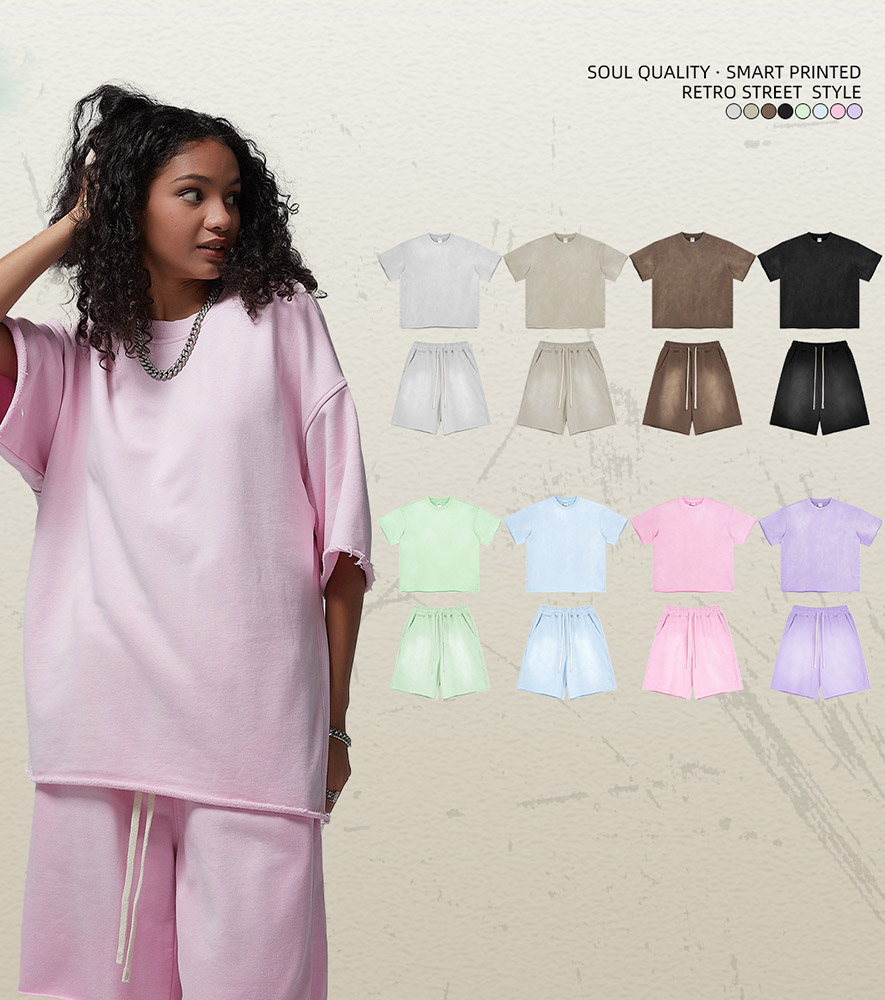
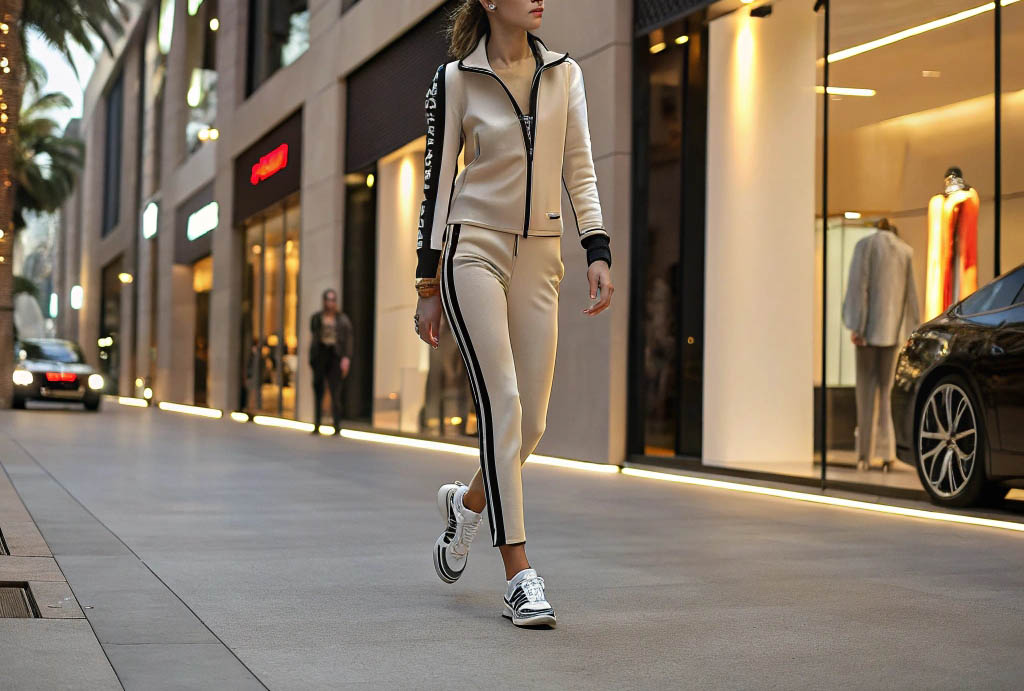
Athleisure is a major trend. Many people wear sportswear for casual outings, work-from-home, and daily activities.
Outdoor adventurers
Hikers, runners, and cyclists require weather-resistant, durable, and functional sportswear designed for specific environments.
How does age impact the sportswear market?
Different age groups have unique preferences when it comes to sportswear.
Millennials and Gen Z drive the demand for athleisure and trendy activewear, while older generations prioritize comfort and functionality.

Gen Z (ages 18-24)
- Prefers trendy, fashionable sportswear
- Influenced by social media and sustainability
- Interested in gender-neutral and inclusive designs
Millennials (ages 25-40)
- Balances style with performance
- Invests in premium athleisure brands like Lululemon
- Prioritizes quality and ethical production
Gen X and Baby Boomers (ages 40+)
- Focuses on comfort and longevity
- Prefers classic, functional designs
- Interested in sportswear for health and wellness activities
How does gender influence sportswear choices?
Sportswear brands design products with different gender-based preferences in mind.
While men prioritize performance and durability, women look for style, comfort, and versatility in sportswear.
Men’s sportswear preferences
- Focus on functionality and technical fabrics
- Performance-driven designs for gym and outdoor sports
- Neutral and minimalist color choices
Women’s sportswear preferences
- Trend-driven designs with a focus on aesthetics
- Preference for leggings, crop tops, and versatile activewear
- Interest in sustainability and comfort
Unisex and gender-neutral sportswear
- Increasing demand for gender-inclusive styles
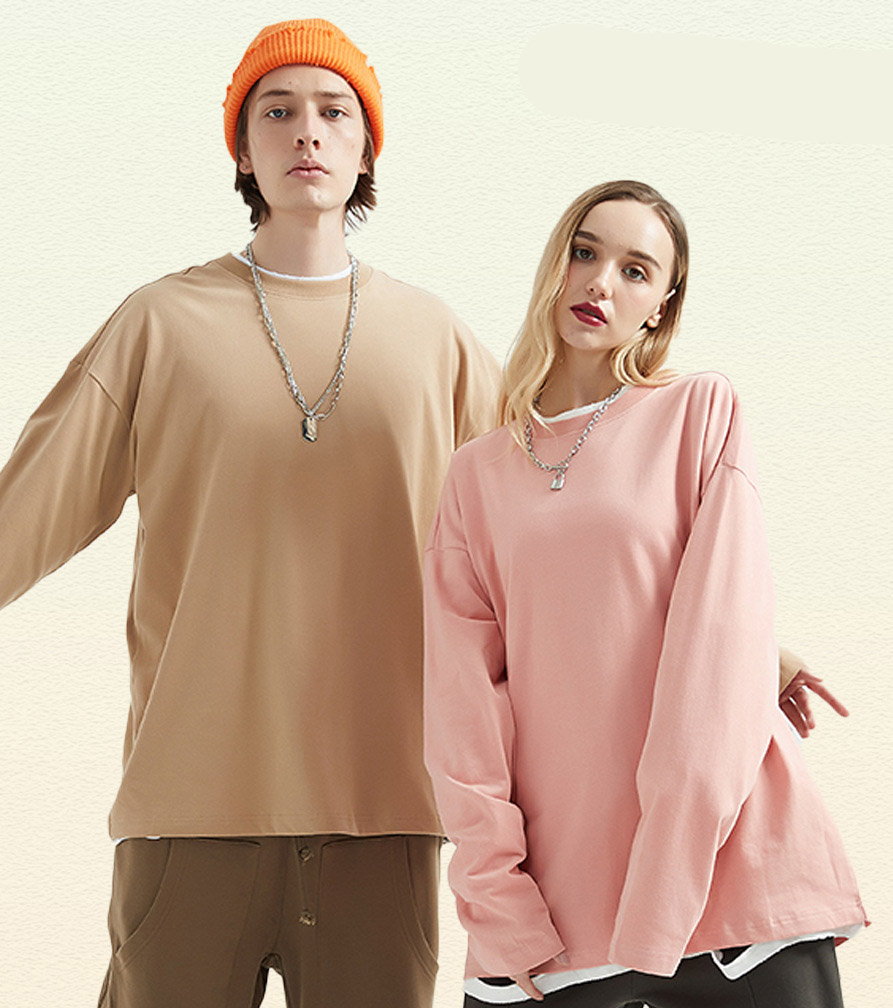
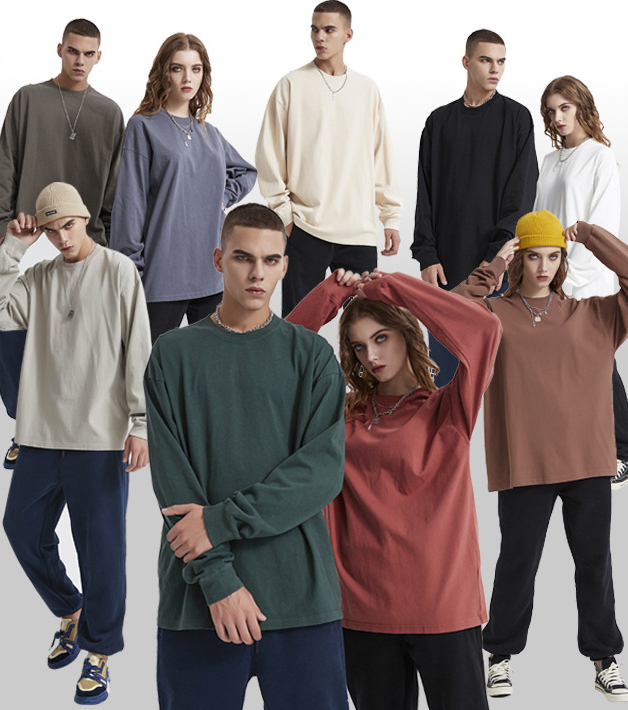
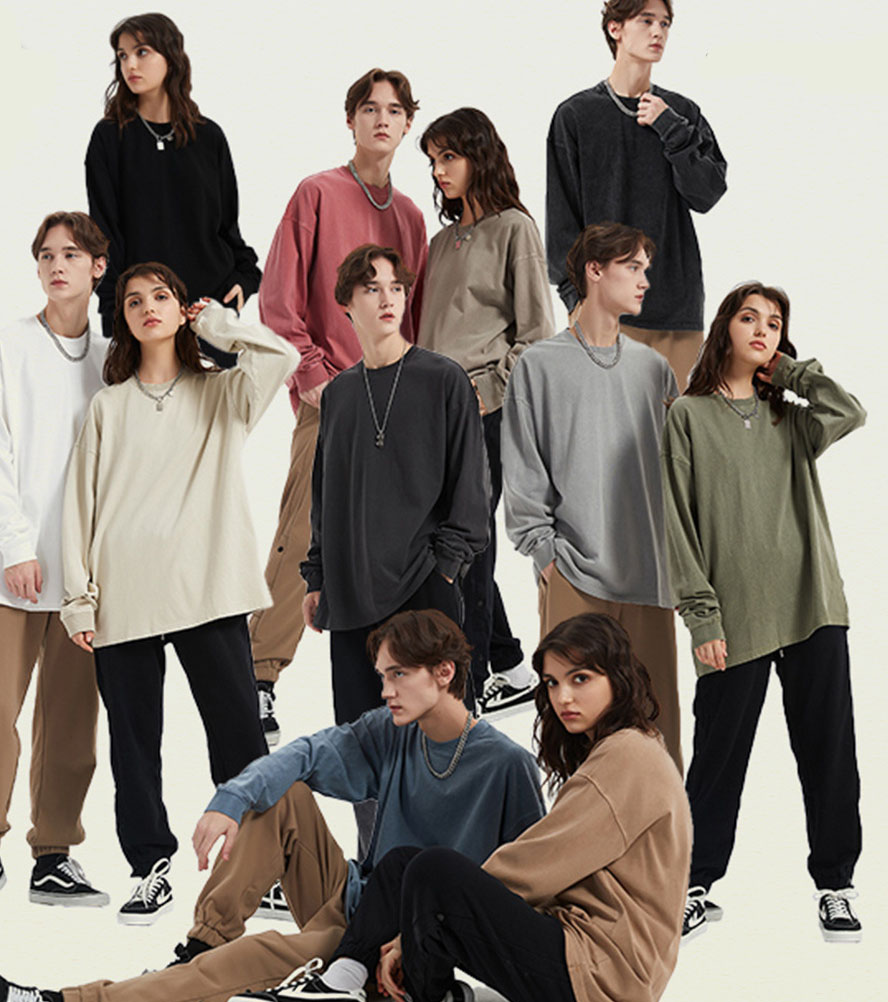
- Oversized fits and neutral colors appeal to a wide audience
- Brands like Nike and Adidas are expanding their gender-neutral collections
How do lifestyle trends shape sportswear demand?
Modern lifestyle trends have a huge impact on the sportswear industry.
The rise of wellness culture, remote work, and sustainable living2 has fueled demand for comfortable and eco-friendly sportswear.
The impact of wellness culture
- More people prioritize fitness and mental health
- Growth in yoga, running, and at-home workouts
- Demand for stylish yet functional activewear
Remote work and casual dressing
- Work-from-home culture has increased demand for athleisure
- People prefer comfortable clothing that looks professional enough for video calls
Sustainability movement
- Consumers want ethical and eco-friendly sportswear
- Recycled materials and fair labor practices matter more than ever

How do sportswear brands target different audiences?
Successful sportswear brands use strategic marketing to connect with their target consumers.
Brands use influencer partnerships3, digital marketing, and customized product offerings to reach their audience.
Influencer and athlete sponsorships
- Nike partners with top athletes like LeBron James and Serena Williams
- Lululemon and Gymshark use fitness influencers to reach younger consumers
- Brands leverage TikTok, Instagram, and YouTube to showcase new collections
- Viral trends influence sportswear buying decisions
Customization and personalization
- Consumers enjoy personalized sportswear with customized colors and designs
- Nike By You and Adidas MiAdidas allow shoppers to create custom products
Conclusion
The sportswear market serves a wide audience, from athletes to casual wearers. Different demographics, genders, and lifestyles influence purchasing decisions. Brands that understand these preferences and adapt their marketing strategies will thrive in this competitive industry.
-
Explore the athleisure trend to understand its rise in popularity and how it influences sportswear choices. ↩
-
Learn how sustainable living shapes consumer preferences and drives demand for eco-friendly sportswear. ↩
-
Discover the role of influencer partnerships in shaping sportswear marketing strategies and consumer engagement. ↩