 Skip to content
India’s sports apparel manufacturing industry has surged in the last decade. Today, India isn’t just producing for local brands—it’s a global powerhouse for leading sportswear names. As someone who’s spent years building supply chains across Asia, I see more international brands turning to India for capacity, quality, and innovation. If you’re searching for reliable Indian sportswear manufacturers or want to understand the market leaders, this guide will give you the clarity you need.
Arvind Limited1 is widely recognized as the largest apparel manufacturer in India2, especially in sports and high-performance apparel. Alok Industries3 and Gokaldas Exports4 also command huge influence, thanks to their scale, advanced technology, and export power.
The first time I visited Arvind’s sportswear factory, I was struck by their professionalism and scale. Let’s break down what makes India’s top sports apparel manufacturers so competitive and what buyers should know.
Which Company Is the Leading Sports Apparel Manufacturer in India?
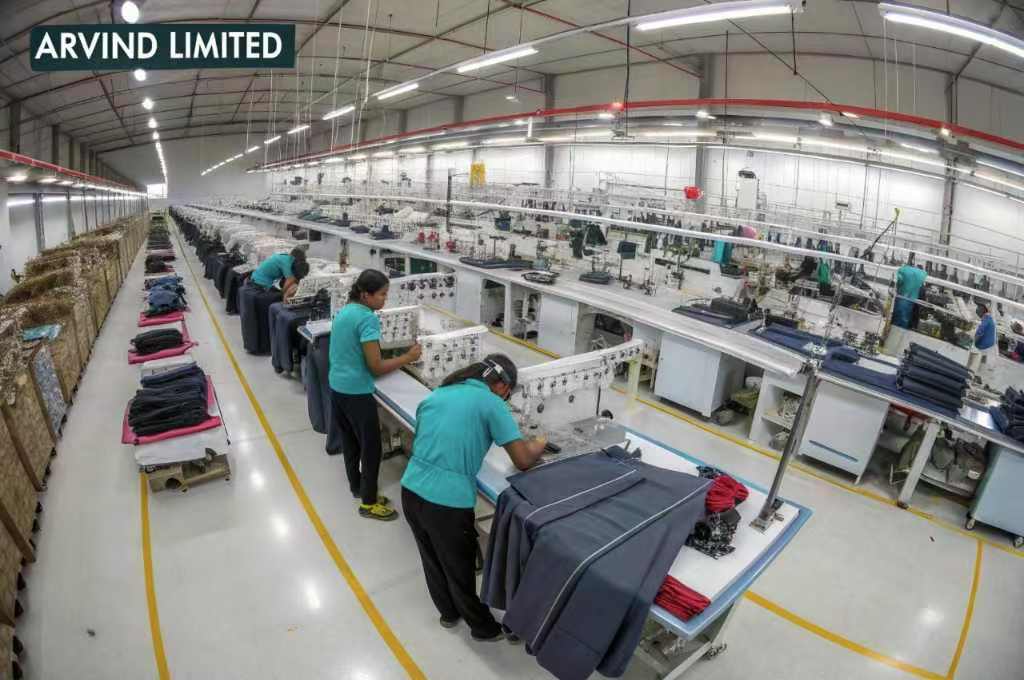
Garment Factory India In India, a manufacturer’s market position comes down to scale, technology, and their partnerships with global brands.
Arvind Limited stands out as the leading sports apparel manufacturer, thanks to its enormous capacity, advanced production, and deep collaborations with major international brands.
This company doesn’t just serve the domestic market—it has a vertically integrated supply chain that covers spinning, weaving, dyeing, and garment making for export worldwide.
Why Is Arvind Limited Considered the Top Apparel Manufacturer in India?
There are several reasons Arvind is at the top of the list.
Arvind runs 27 state-of-the-art factories across India, invests heavily in R&D and new materials, and supplies Adidas, Puma, Decathlon, and more. Its vertical supply chain5 means it can control price, speed, and quality at every stage.
Arvind’s Key Advantages
- End-to-end operations: spinning, fabric, finishing, and garment production under one roof
- Heavy investment in R&D for functional textiles and innovative sportswear
- Focus on sustainability, including recycled fabrics and water-saving dyeing
- Quick response manufacturing lines for flexible, small-batch development
Arvind Limited Value Chain Table
| Segment | Core Strengths | Key Brand Partners |
|---|---|---|
| Fabric R&D | Stretch, tech fibers, quick-dry | Adidas, Puma, Decathlon |
| Garment Making | Sportswear, active T-shirts, fitness | GAP, Tommy Hilfiger |
| Supply Chain | Raw materials to finished goods | Zara, H&M |
How Do Companies Like Alok Industries and Gokaldas Exports Compete in the Sports Apparel Segment?
Besides Arvind, India has several top players in sportswear exports.
Alok Industries and Gokaldas Exports win global contracts through scale, automation, compliance, and reliable delivery for North America, Europe, and the Middle East.
How Alok & Gokaldas Stand Out
- Automated cutting, smart sewing lines, and sublimation printing
- Dedicated sportswear R&D teams to react quickly to trends (yoga, gym, football, athletics, and more)
- Joint development with global designers and brands
- Flexible order management: massive bulk orders or many small SKUs
Top Sportswear Manufacturers Comparison Table
| Company Name | Product Strengths | Certifications | Main Export Markets |
|---|---|---|---|
| Arvind Limited | Technical sportswear, T-shirts | ISO, BSCI, OEKO | Global |
| Alok Industries | Basic sportswear, bulk orders | WRAP, SEDEX | Americas, Europe |
| Gokaldas Exports | Women’s activewear, sports bras | SA8000, GOTS | Europe, Australia |
What Makes India a Major Hub for Sports Apparel Manufacturing?
India’s rise as a sportswear giant isn’t just about “lower cost.”
India’s competitive edge comes from a massive, skilled workforce, innovation, an unmatched textile supply chain, and world-class export systems. Global brands choose India for the balance of price, quality, speed, and flexible development.
These are the factors I see convincing more brands to shift production to India.
How Has India’s Skilled Workforce Boosted the Sports Apparel Industry?
People are at the heart of Indian manufacturing.
India has millions of skilled workers, not just in basic garment sewing but in advanced processes required for sports and high-performance wear.
Workforce Strength
- Senior tailors, printing technicians, and technical specialists with years of export experience
- Factories regularly train teams in seamless knitting, laser cutting, and bonded seams
- Dedicated QA teams ensure international quality standards
Key Skills in Sportswear Production Table
| Skill Area | Benefits for Brands | Typical Application |
|---|---|---|
| Sewing/Finishing | Batch consistency, low defect rates | Professional sportswear |
| Pattern Making | Ergonomic fit for athletes | Rapid sample teams |
| Printing/Heat Seal | Durable logos, functional effects | Sublimation lines |
What Role Do Technology and Innovation Play in Indian Sportswear Manufacturing?
Tech upgrades are transforming India’s sportswear factories.
More factories are adopting automation, digital management, and sustainable processing, all of which boost efficiency and support fast-fashion sportswear launches.
Technology in Action
- CAD/CAM for digital pattern making and bulk accuracy
- Laser cutting and bonding for precision and speed
- Digital fabric inspection and color management to ensure uniformity
- Cloud-based ERP for real-time order, inventory, and logistics tracking
- Water-based eco printing and recycled fabric options for sustainability

Where Are the Major Sports Apparel Manufacturing Centers in India?
India’s sportswear sector is concentrated in a handful of major clusters.
Bangalore, Tirupur, and Delhi-NCR are the top three hubs, each with unique specialties and global connections.
Why do these areas attract so many international buyers?
Why Are Bangalore, Tirupur, and Delhi Popular for Sports Apparel Production?
Each hub has strengths to match different brand needs.
Bangalore leads in high-tech and fashion-forward sportswear; Tirupur specializes in massive T-shirt and team kit production; Delhi-NCR covers a mix of performance, athleisure, and fashion sportswear.
Cluster Specializations
- Bangalore: Technical knits, seamless sportswear, innovative fabrics
- Tirupur: High-volume cotton tees, team uniforms, mass-market activewear
- Delhi-NCR: Fashion-forward activewear, yoga, and women’s sports categories
Cluster Comparison Table
| City | Sportswear Focus | Major Players | Main Export Markets |
|---|---|---|---|
| Bangalore | Fashion, technical knits | Arvind, Shahi | Europe, Americas |
| Tirupur | Tees, teamwear, basics | Eastman, Best Corp | USA, Middle East |
| Delhi-NCR | Women’s sports, yoga, mixed | Gokaldas, Richa | Europe, Australia |
How Do Regional Clusters Support Large-Scale Manufacturing and Export?
Clusters offer major advantages for both manufacturers and brands.
Apparel clusters mean shared access to raw materials, fast sampling, integrated logistics, and more. This setup lets brands launch faster and at lower cost.
Cluster Benefits
- 20%+ savings in logistics by keeping suppliers nearby
- One-stop finishing for cutting, printing, washing, and packing
- Shared training centers raise skills for the entire cluster
- Easy for brands to have in-factory QC and local buying offices

How Do Indian Sports Apparel Manufacturers Meet International Quality Standards?
Top sportswear brands demand high standards—India’s leading factories deliver.
Major Indian sports apparel factories hold certifications like ISO 9001, BSCI, OEKO-TEX, and WRAP. Processes are fully traceable and regularly audited by third parties or buyers.
I always recommend buyers check certifications and export track records before placing large orders.
What Certifications and Practices Ensure Global Competitiveness?
Certifications and international standards are the foundation of trust.
ISO, BSCI, and similar certifications prove a factory’s quality management, ethical compliance, and product safety—critical for global market access.
Certification Reference Table
| Certification | Buyer Focus | What It Means |
|---|---|---|
| ISO 9001 | Quality management | Consistent batch quality |
| BSCI | Social responsibility | Required for EU brands |
| OEKO-TEX | Eco & safe fabrics | Required for retail |
| WRAP | Ethical & safe factories | Enhances brand trust |
- Multi-stage QC at every production phase (at least 3 checks per order)
- ERP systems for transparency and full process traceability
- Regular in-person or virtual audits by global brands
How Do Indian Manufacturers Partner with Leading Sportswear Brands Worldwide?
Today’s partnerships go far beyond beyond basic “cut and sew.”
Top Indian manufacturers co-develop styles, innovate with new fabrics, and coordinate supply chains so that brands can launch new collections globally and on time.
Partnership Examples
- In-house R&D teams working side-by-side with brand designers
- Quick-response lines for monthly or weekly drops
- Customization support for brand-specific logos, colors, and features
- Sustainability collaborations on recycled or eco materials
Major Brand Partnership Table
| Brand | Cooperation Type | Product Examples |
|---|---|---|
| Adidas | Joint development | Football kits |
| Puma | Quick replenishment | Running & gym T-shirts |
| Decathlon | OEM/ODM full package | All sports categories |
| Lululemon | Pattern innovation | Yoga & training apparel |
How Can Buyers Connect with Top Sports Apparel Manufacturers in India?
Finding the right supplier takes strategy.
I suggest using a mix of online sourcing platforms, trade shows, industry contacts, and factory visits to shortlist and verify partners.
My go-to approach is online research, followed by video calls and, if possible, a site visit before large orders.
What Platforms and Trade Shows Help Find Reliable Manufacturers?
Both online and offline channels are effective for discovering trusted suppliers.
Popular platforms include IndiaMART, Alibaba, and Fibre2Fashion. Top trade shows are the India International Garment Fair (IIGF) and Source India Expo.
Sourcing Resources
- IndiaMART (www.indiamart.com): India’s largest B2B supplier platform
- Alibaba (www.alibaba.com): Global B2B sourcing
- Fibre2Fashion (www.fibre2fashion.com): Textile and apparel vertical
- India International Garment Fair (IIGF): Leading Asian apparel expo
- Source India Expo: Focused on sportswear and technical textiles
Platform & Show Comparison Table
| Name | Main Highlights | Who It’s For |
|---|---|---|
| IIGF | Sports, fashion, big brands | Brands, wholesalers |
| Source India | Sports tech, innovation | Brands, sourcing managers |
| IndiaMART | Direct factory access | Startups, small brands |
| Alibaba | Global reach, translations | Exporters, trade firms |
How Can Brands Build Long-Term Relationships with Indian Sports Apparel Suppliers?
Trust and long-term relationships drive lasting success.
Start with trial orders, document all requirements, maintain regular communication, visit factories when possible, and pay on time. Feedback and transparency are key for growing together.
Relationship Tips
- Confirm all order details (samples, timelines, payments) in writing
- Hold monthly video or in-person meetings to share updates
- Invite factory teams to co-create during product development
- Resolve issues proactively and settle invoices promptly
Conclusion
India’s sports apparel industry is large, fast-moving, and ready for the world. Manufacturers like Arvind, Alok, and Gokaldas set new benchmarks in quality, innovation, and service. With technology and talent growing every year, India is a must-consider destination for any brand looking to scale in sportswear. If you’re ready to expand, don’t miss out on what Indian manufacturing can offer.
-
Learn about Arvind Limited’s innovations and partnerships that make it a leader in sports apparel. ↩
-
Discover insights about the leading apparel manufacturer in India and their impact on the global market. ↩
-
Find out how Alok Industries competes in the sportswear segment and their unique strengths. ↩
-
Understand Gokaldas Exports’ role in the sportswear market and their product offerings. ↩
-
Gain insights into how a vertical supply chain enhances efficiency and quality in apparel production. ↩












