Skip to content
Hoodies are a staple in streetwear, casual fashion, and branded merchandise. But when it comes to customizing hoodies, choosing the right printing method is crucial.
The best printing method for hoodies depends on factors like design complexity, fabric type, durability, and budget. Screen printing is ideal for bulk orders, while DTG (direct-to-garment) printing1 offers high-detail designs. Heat transfer and embroidery are also popular options.
Each printing technique has its pros and cons. Let’s break down the best methods for hoodie customization.
What Are the Most Common Hoodie Printing Methods?
Different printing techniques serve different needs.
The most common hoodie printing methods are screen printing2, direct-to-garment (DTG), heat transfer, and sublimation. Each offers unique advantages in quality, cost, and durability.
Here’s a quick overview of the main hoodie printing methods:
| Printing Method | Best For | Durability | Cost |
|---|---|---|---|
| Screen Printing | Bulk orders, bold designs | Very High | Medium |
| DTG Printing | Small runs, detailed prints | High | High |
| Heat Transfer | Custom prints, special effects | Medium | Low |
| Sublimation | Polyester hoodies, all-over prints | High | Medium |
| Embroidery | Premium branding, logos | Very High | High |
Now, let’s explore these methods in detail.
Why Is Screen Printing a Popular Choice for Hoodies?
Screen printing is known for its bold, durable prints.
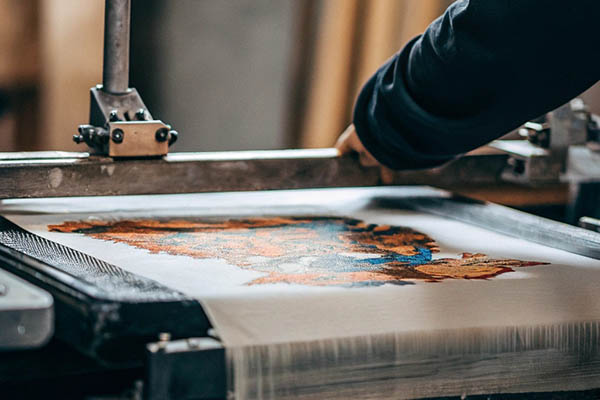
Screen printing is the best option for large orders and solid color designs. It offers excellent durability, vibrant colors, and a cost-effective price per unit when ordering in bulk.
Screen printing involves pushing ink through a stencil (or screen) onto fabric. Here’s why it’s great for hoodies:
1. Long-Lasting Prints
The ink bonds well with fabric, making it resistant to fading and cracking after multiple washes.
2. Vibrant and Opaque Colors
Screen printing produces bold, opaque prints that stand out on darker hoodies.
3. Cost-Effective for Large Orders
Although the setup process is expensive, the cost per hoodie decreases significantly for bulk production.
However, screen printing isn’t ideal for complex designs with gradients or high detail, as each color requires a separate screen.
| Factor | Screen Printing |
|---|---|
| Durability | Very High |
| Cost for Bulk | Low |
| Best for | Bold graphics, logos |
| Not Ideal for | Photorealistic designs |

Is DTG Printing a Good Option for Hoodies?
DTG printing offers high-detail designs with unlimited colors.
Direct-to-garment (DTG) printing is perfect for small runs and complex, multi-color designs. It prints directly onto the fabric using inkjet technology, allowing for intricate details and smooth gradients.
Why choose DTG for hoodie printing?
1. Full-Color, High-Detail Printing
DTG printing works well for photorealistic images, gradients, and intricate artwork.
2. No Minimum Order Quantity
Unlike screen printing, DTG doesn’t require setup fees, making it ideal for one-off or small-batch prints.
3. Soft Feel
Since the ink soaks into the fabric rather than sitting on top, DTG prints have a softer texture compared to screen printing.
However, DTG has drawbacks: it’s slower than screen printing, and prints on dark-colored hoodies may require a white underbase, which increases production time.
| Factor | DTG Printing |
|---|---|
| Durability | High |
| Cost for Bulk | High |
| Best for | Detailed designs, low quantities |
| Not Ideal for | Bulk orders, bright prints on dark hoodies |
Is Heat Transfer Printing a Durable Choice for Hoodies?
Heat transfer is a budget-friendly, flexible printing option.
Heat transfer printing involves pressing a printed design onto fabric using heat and pressure. It’s ideal for custom orders, special effects, and small-scale production.
Advantages of heat transfer printing include:
1. Affordable for Small Orders
Unlike screen printing, there are no expensive setup costs, making it a cost-effective solution for short runs.
2. Works on Various Fabrics
Heat transfer prints well on cotton, polyester, and blended fabrics, making it versatile for different hoodie types.
3. Special Effects Available
Glitter, metallic, and reflective designs can be applied using heat transfer vinyl (HTV), creating unique finishes.
However, heat transfer prints tend to peel or fade over time, especially with frequent washing.
| Factor | Heat Transfer |
|---|---|
| Durability | Medium |
| Cost for Bulk | Medium |
| Best for | Custom designs, special effects |
| Not Ideal for | Large orders, long-lasting prints |
Can You Use Sublimation Printing on Hoodies?
Sublimation is a unique printing process, but it has limitations.
Sublimation printing is ideal for polyester hoodies, offering vibrant, full-color designs that won’t fade or crack. However, it doesn’t work well on cotton.
Sublimation uses heat and pressure to turn ink into gas, bonding it with synthetic fibers.
1. Permanent, High-Quality Prints
Unlike other methods, sublimation prints become part of the fabric, making them incredibly durable.
2. Best for Polyester Hoodies
If you’re using 100% polyester or light-colored hoodies, sublimation is the best choice for all-over designs.
3. Limited to Light-Colored Fabrics
Since sublimation relies on dye absorption, it doesn’t work well on dark fabrics or cotton hoodies.
| Factor | Sublimation Printing |
|---|---|
| Durability | Very High |
| Cost for Bulk | Medium |
| Best for | Polyester hoodies, full-color prints |
| Not Ideal for | Cotton hoodies, dark colors |
Is Embroidery a Good Alternative to Printing?
Embroidery adds a premium, textured look to hoodies.
Embroidery is an excellent choice for logos, monograms, and premium branding. It’s highly durable and gives hoodies a high-end feel.
Why choose embroidery?
1. Extremely Durable
Unlike printed designs, embroidery won’t crack, peel, or fade over time.
2. Adds a Premium Look
Embroidered hoodies have a textured, high-end appearance, making them ideal for corporate branding.
3. Works Best for Small Logos
Large embroidery designs can be heavy and stiff, making them less comfortable.
Embroidery is more expensive than printing, and it’s not ideal for detailed images or full-color artwork.
| Factor | Embroidery |
|---|---|
| Durability | Very High |
| Cost for Bulk | High |
| Best for | Logos, branding |
| Not Ideal for | Large, complex designs |
Conclusion
The best hoodie printing method depends on your needs. Screen printing is great for bold, durable designs, DTG is perfect for detailed prints, and heat transfer allows for unique effects. Sublimation works well for polyester hoodies, while embroidery provides a premium finish. By choosing the right method, you can create high-quality hoodies that match your brand and budget.