Skip to content
Sometimes I get frustrated with T-shirts that look ill-fitting or feel tight around my shoulders. I then worry about how each sleeve type might influence comfort. Now I see that selecting the right sleeve is the key to a better fit and a more confident appearance.
Each sleeve option adjusts fit, mobility, and style in distinct ways. The five-quarter sleeve1 balances coverage and breathability. The raglan sleeve2 shifts shoulder seams for more freedom and a sporty vibe. The dropped shoulder sleeve3 creates a relaxed look with a casual edge. Choosing hinges on your body shape, comfort preference, and aesthetic goal.
So I began testing different sleeve designs and found surprising results. I want to share these insights with you, so you can find your best fit. Let’s explore each sleeve type together and see which one complements your style and comfort. Keep reading to find your ideal T-shirt solution.
What are the characteristics of the five-quarter sleeve T-shirt? What are the suitable wearing scenarios?
I used to think all T-shirts were either short or long-sleeved. Then I discovered the five-quarter sleeve, which ends between the elbow and wrist. This design brings a distinct style and practical coverage. It provides a balance between full arm exposure and complete arm coverage, making it versatile.
The five-quarter sleeve T-shirt covers most of the arm yet allows comfortable air circulation. It suits transitions between warm and cool weather. It offers a subtle style shift from standard short sleeves, making it ideal for semi-casual events, outdoor gatherings, or mild climates. It balances warmth and breathability effectively.

What are the advantages of the five-quarter sleeve T-shirt compared to short sleeves/long sleeves?
I like five-quarter sleeves for their modest coverage. Short sleeves expose more arm, which can feel too casual. Long sleeves are sometimes too warm or restrictive. The five-quarter option hits a middle ground. It offers a polished appearance without sacrificing comfort. It also helps cover any upper-arm concerns while still feeling breathable.
| Sleeve Type | Arm Coverage | Weather Suitability | Style Impression |
|---|---|---|---|
| Short Sleeves | Minimal coverage | Warm or indoor | Casual and cool |
| Five-Quarter Sleeves | Moderate coverage | Mild or in-between | Balanced and refined |
| Long Sleeves | Full coverage | Cool or colder | Formal or cozy |
What body type is the five-quarter sleeve more suitable for? What is the visual effect?
I observe that five-quarter sleeves can help lengthen the look of the arms if they end at a narrow part of the forearm. This style draws attention away from broad shoulders or upper arms. It also suits those who want a balanced silhouette without fully covering their arms.
Why are raglan sleeve T-shirts favored by trendy brands?
I have always noticed raglan sleeves in sporty and streetwear pieces. The diagonal shoulder seams give a dynamic shape, and many trendy brands use this detail to stand out. By moving the seam off the top of the shoulder, the design produces a sleek silhouette that appeals to modern tastes.
Raglan sleeves shift the usual shoulder seam to create a fluid line from the collar to the underarm. This cut often expands range of motion, so it is popular in athletic wear. It also flatters many shoulder shapes, since it eliminates harsh angles. Brands embrace raglan sleeves to add a stylish, athletic twist.

What is the effect of the raglan sleeve design on the shoulder line and shoulder width?
I see that raglan sleeves soften the shoulder line, especially if you have broad shoulders. The diagonal seam can create an illusion of a slimmer upper body. It also shifts tension away from the shoulder joint, which may reduce tightness. This design suits those who prefer a relaxed, athletic profile.
What is the difference between the raglan sleeve T-shirts of sports style and casual style?
In sports style, raglan sleeves are paired with moisture-wicking or stretch fabrics to maximize movement. Casual raglan shirts often use thicker or softer fabrics for everyday comfort. Colors and patterns also differ. Sports designs may feature bold lines or color blocks, while casual pieces lean toward subtle contrasts or monochrome palettes.
| Style | Fabric | Design Details | Typical Look |
|---|---|---|---|
| Sports | Moisture-wicking, stretch | Bold lines, color blocks | Athletic, performance-focused |
| Casual | Soft cotton or blends | Subtle contrasts | Everyday, laid-back |
Does the dropped shoulder sleeve T-shirt really make you look thin and lazy? Here comes the style analysis!
I wondered if dropping the shoulder seam could really create a slimmer look or just look sloppy. Many say the dropped shoulder sleeve adds a carefree vibe. Some worry it might seem baggy. I explored different fit approaches to see if this design helps or harms a casual wardrobe.
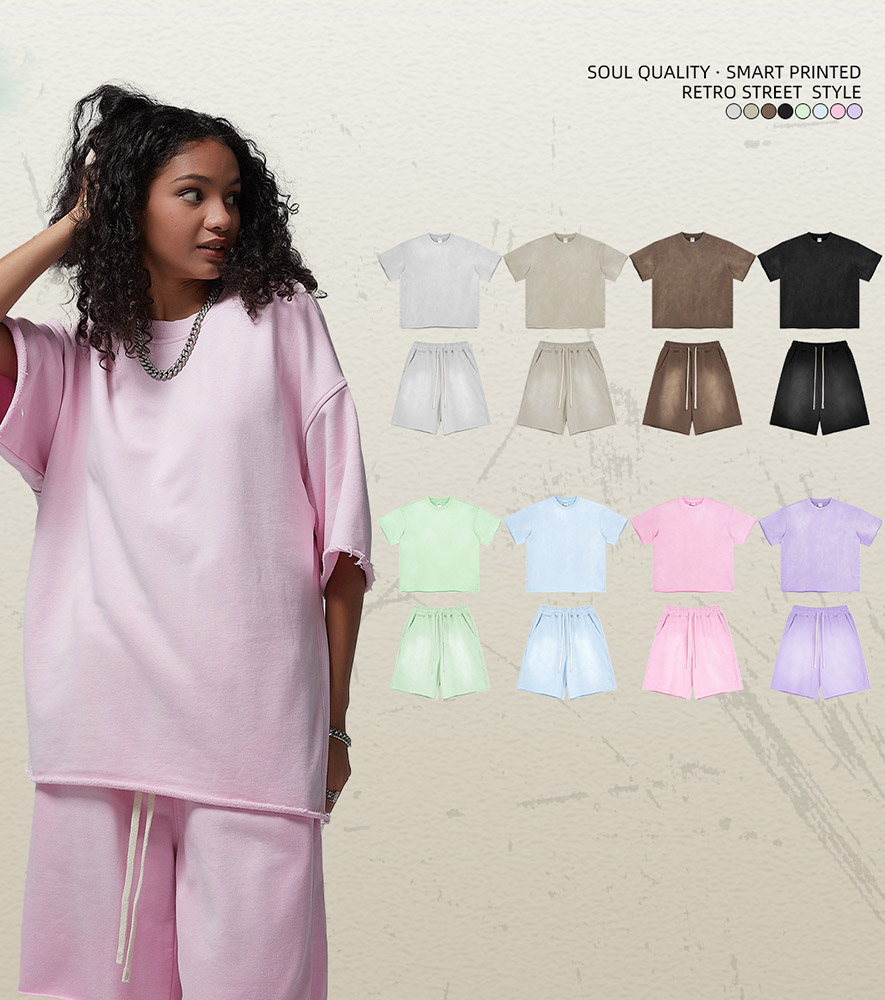
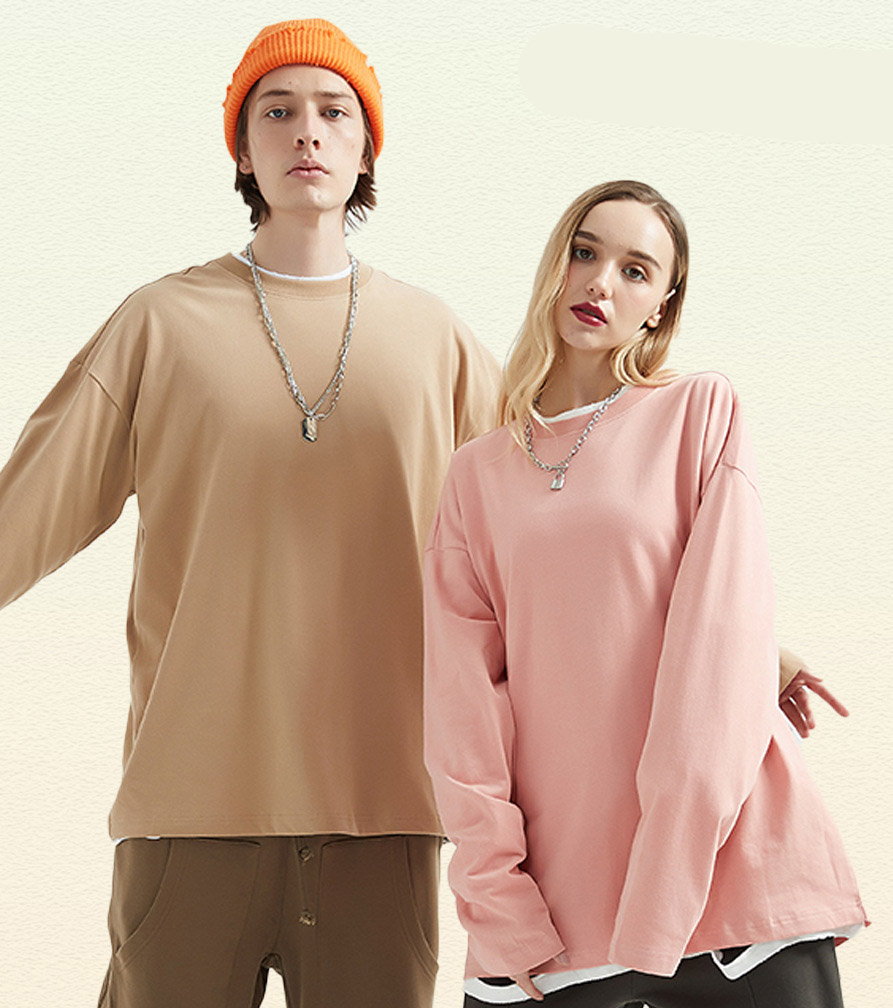
Dropped shoulder sleeves shift the sleeve seam below the natural shoulder line. This can elongate the torso visually and hide broad shoulders. It also creates a relaxed, slouchy look that can appear effortless. It may suit those who want a laid-back aesthetic, but it risks looking unstructured if sized incorrectly.
What style is suitable for the dropped shoulder sleeve? Will it look sloppy?
I think it depends on fabric weight and overall fit. If the fabric is thick and the body cut is proportional, the dropped shoulder style looks intentional. Light, drapey materials can create a more flowing look. It may feel sloppy if the garment is too large, but proper sizing can prevent that.
What role does the dropped shoulder sleeve T-shirt play in the oversize wearing method?
I notice that many oversize looks use dropped shoulders to enhance volume. This broadens the top visually and allows layering. It can also highlight slimmer legs if you pair it with tight bottoms. The key is to balance the outfit. Too much volume everywhere might overpower your shape.
What are the key differences in the fit of T-shirts with different sleeve types?
I used to assume a T-shirt’s fit only depended on body length and chest width. Then I discovered that sleeve construction can affect the final look. Each sleeve type can change how the fabric drapes, how the shoulders appear, and even how the torso is perceived. It is quite revealing.
For three-quarter sleeves, coverage and structure focus on the forearm. Raglan sleeves prioritize movement and give a sporty line. Dropped shoulders emphasize a relaxed, wider silhouette. These differences come from how the sleeve is joined to the body, impacting shoulder seam placement, arm coverage, and overall silhouette. Small variations can transform the fit.

What are the differences in the cuts of three-quarter sleeves, raglan sleeves, and dropped shoulder sleeves?
Three-quarter sleeves typically feature a set-in sleeve that ends around the forearm. Raglan sleeves run diagonally from the collar to the underarm, removing the traditional shoulder seam. Dropped shoulder sleeves set the seam well below the natural shoulder. Each approach affects armhole placement, arm coverage, and the visual shape of the upper body.
How does the sleeve type affect the overall outline and layering of the T-shirt?
I notice that three-quarter sleeves create a balanced look for layering light jackets. Raglan sleeves make it easy to wear hoodies or coats without feeling tight in the shoulders. Dropped shoulders can accommodate thicker layers underneath or highlight an oversize outer layer. Each option shifts how upper-body garments stack and drape.
I used to blame the fabric if a T-shirt felt stiff or hot, but sleeve design is also a factor. If your shoulders feel cramped, it might be the armhole shape. If your arms overheat, maybe the sleeve length is too long. I started looking at each design’s comfort profile.
Yes, sleeve design directly impacts how cool or flexible you feel. Breathable fabrics help, but the sleeve cut influences air flow and shoulder movement. Raglan sleeves often allow better range of motion. Shorter or three-quarter sleeves can feel cooler. Dropped shoulders may offer room but can trap heat if the fabric is heavy.
Which sleeve type is the most breathable and least likely to trap sweat in summer?
I find that shorter sleeves or three-quarter sleeves are generally cooler because they allow more arm exposure. Raglan sleeves can help if the fabric is lightweight, since there’s less friction around the shoulder. Dropped shoulders might feel roomy, but the extra fabric can hold heat if the material is thick.
Which sleeve design has the highest degree of freedom of movement?
In my experience, raglan sleeves usually offer the most freedom, especially for athletic activities. The diagonal seam reduces the strain on the upper shoulder. Dropped shoulders can also allow wide arm movements, but the seam position can bunch if the fit is too large. Three-quarter sleeves are good if sized correctly.
Conclusion
In my opinion, different sleeve types can dramatically change both comfort and style. Five-quarter sleeves balance coverage, raglan sleeves focus on movement, and dropped shoulders add a relaxed feel. By understanding your body shape, activity level, and preferred look, you can pick a sleeve type that elevates your T-shirt game. I believe a well-chosen sleeve design can add confidence to any outfit.
-
Explore the advantages of five-quarter sleeves for style and comfort, perfect for various occasions and body types. ↩
-
Discover why raglan sleeves are favored in fashion for their stylish and athletic appeal, enhancing your wardrobe choices. ↩
-
Learn how dropped shoulder sleeves can create a relaxed look while influencing your overall silhouette and comfort. ↩