Skip to content
When it comes to hoodies, the right fabric makes all the difference. The material affects not just the hoodie’s look and feel but also its durability, warmth, and performance. So, which fabric is truly the best?1
The best fabric for hoodies depends on the purpose. Cotton offers softness and breathability2, polyester provides durability, fleece delivers warmth, and blends balance comfort and strength. For high-end options, fabrics like bamboo and French terry add a premium touch.
Let’s break down the different hoodie fabrics, their advantages, and how to choose the best one for your needs.
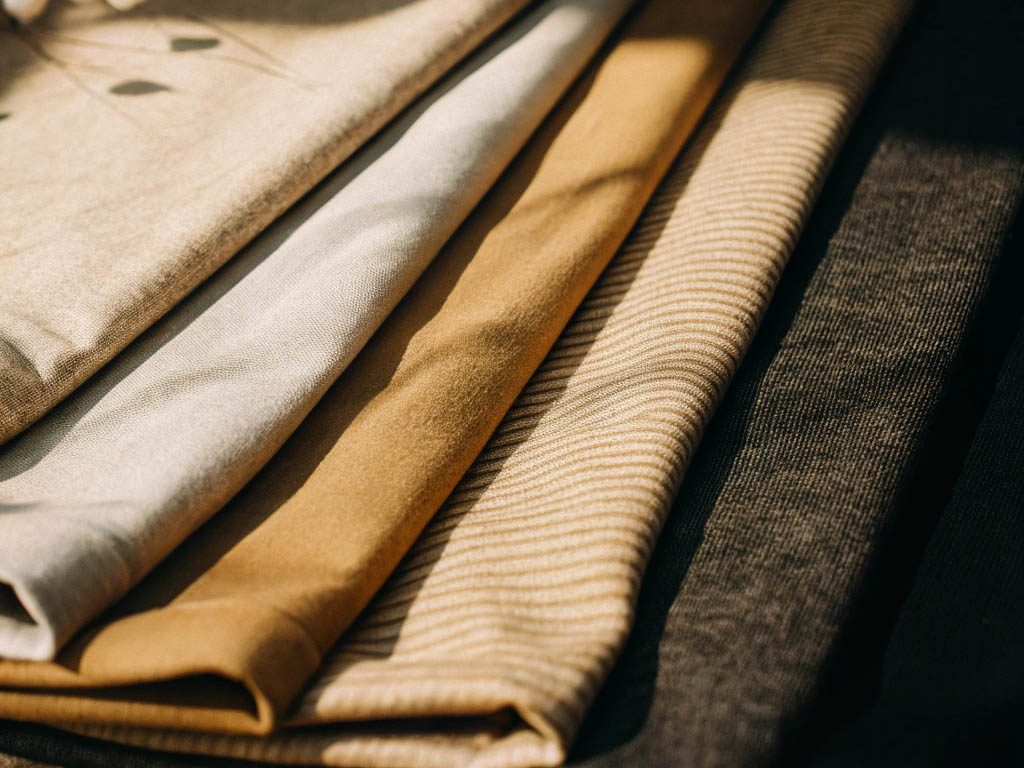
What are the most popular fabrics used for hoodies?
Hoodie fabrics vary based on comfort, performance, and style.
The most commonly used hoodie materials are cotton, polyester, fleece, and blends of these fibers.
1. Cotton – Soft and Breathable
Cotton is a natural fiber known for its softness and comfort.
- Pros: Soft, breathable, hypoallergenic.
- Cons: Prone to shrinking and wrinkling.
- Best for: Everyday hoodies, casual wear.
Cotton hoodies are great for people with sensitive skin due to their hypoallergenic properties. However, they don’t wick moisture as effectively as synthetic fabrics.
2. Polyester – Durable and Moisture-Wicking
Polyester is a synthetic fiber often used in performance wear.
- Pros: Durable, moisture-wicking, quick-drying.
- Cons: Less breathable and may hold odors.
- Best for: Athletic hoodies and outdoor gear.
Polyester hoodies retain their shape well and resist wrinkles, making them ideal for sports or activewear.
3. Fleece – Warm and Insulating
Fleece is typically made from polyester and designed to mimic wool’s insulating properties.
- Pros: Warm, soft, and lightweight.
- Cons: Can pill over time, less breathable.
- Best for: Winter hoodies and cold-weather wear.
4. Cotton-Polyester Blends – The Perfect Balance
Blended fabrics combine cotton’s softness with polyester’s durability.
- Pros: Soft, durable, shrink-resistant.
- Cons: Slightly less breathable than 100% cotton.
- Best for: Everyday hoodies and cost-efficient production.
High-end hoodies often use specialty fabrics for added comfort, performance, or sustainability.
Premium hoodie materials like French terry3, bamboo4 fabric, and tri-blends offer enhanced texture and performance.

1. French Terry – Lightweight and Breathable
French terry is a knit fabric with loops on one side and a smooth surface on the other.
- Pros: Soft, breathable, moisture-wicking.
- Cons: Less insulating than fleece.
- Best for: Midweight hoodies for mild weather.
2. Bamboo Fabric – Eco-Friendly and Soft
Bamboo fibers create a naturally soft and breathable fabric.
- Pros: Eco-friendly, antibacterial, moisture-wicking.
- Cons: More expensive than cotton.
- Best for: Sustainable and luxury hoodies.
3. Tri-Blend Fabrics – A Mix of Comfort and Performance
Tri-blend fabrics usually combine cotton, polyester, and rayon.
- Pros: Soft, flexible, moisture-resistant.
- Cons: Can lose shape if not well-made.
- Best for: Lightweight, stylish hoodies.
How does fabric weight (GSM) affect hoodie quality?
Fabric weight, measured in GSM5, determines how thick and warm a hoodie feels.
Heavier GSM fabrics (350+ GSM) are thicker and warmer, while lighter fabrics (200-300 GSM) are more breathable.
| GSM Range | Fabric Thickness | Best for |
|---|---|---|
| 200-300 GSM | Lightweight | Mild weather, layering |
| 300-400 GSM | Midweight | Everyday wear, all-season use |
| 400+ GSM | Heavyweight | Cold weather, premium hoodies |
Key Insights:
- Lightweight hoodies work well for layering or mild weather.
- Midweight hoodies are versatile and suit most conditions.
- Heavyweight hoodies provide insulation for cold weather and a premium feel.
Which fabric is best for different hoodie types?
Different hoodie purposes require different materials.
Performance hoodies need moisture-wicking fabrics, while casual hoodies prioritize softness.
| Hoodie Type | Recommended Fabric | Key Features |
|---|---|---|
| Everyday Hoodie | Cotton or Cotton-Poly Blend | Soft, breathable, easy to wash |
| Athletic Hoodie | Polyester or Performance Blends | Moisture-wicking, lightweight |
| Winter Hoodie | Fleece or Sherpa-Lined Cotton | Warm, insulating |
| Eco-Friendly Hoodie | Bamboo or Organic Cotton | Sustainable, soft |
Additional Considerations
- For lounging: French terry or fleece offers comfort.
- For workouts: Polyester or polyester-cotton blends wick moisture.
- For fashion: Premium fabrics like bamboo or tri-blends create a polished look.
How do different fabrics perform over time?
Durability, pilling resistance, and shape retention vary across materials.
Polyester and cotton-poly blends hold their shape longer than pure cotton. Fleece may pill without anti-pill treatments.

1. Pilling Resistance
- High: Polyester, nylon, blends with anti-pill fleece.
- Moderate: French terry and bamboo.
- Low: Cotton, especially lower-quality varieties.
2. Shape Retention
- Best: Polyester and polyester-blends.
- Worst: 100% cotton if not pre-shrunk.
3. Fade Resistance
- Best: Polyester and synthetic fibers retain color better.
- Worst: Cotton tends to fade after repeated washing.
What factors should businesses consider when choosing hoodie fabric?
Manufacturers need to balance cost, performance, and market demand when selecting materials.
Cost-efficient blends often provide the best balance of quality and affordability, while premium options attract discerning customers.
1. Cost Efficiency
| Fabric Type | Cost per Yard (USD) | Quality Level |
|---|---|---|
| Cotton | $5 – $12 | High |
| Polyester | $4 – $10 | High |
| French Terry | $7 – $15 | Premium |
| Bamboo | $10 – $20 | Luxury |
2. Market Positioning
- Budget-friendly brands: Cotton-poly blends.
- Premium brands: French terry, bamboo, or heavyweight cotton.
- Performance brands: Polyester and performance blends.
3. Environmental Impact
- Organic cotton, bamboo, and recycled polyester reduce the brand’s carbon footprint.
What innovations are shaping the future of hoodie fabrics?
Hoodie fabrics are evolving with advancements in technology and sustainability.
Emerging trends include recycled fibers, performance-enhancing fabrics, and customizable materials.
1. Recycled and Eco-Friendly Fabrics
- Recycled polyester repurposes plastic bottles into durable hoodie fabrics.
- Organic cotton and bamboo reduce water consumption and pesticide use.
2. Smart Fabrics
- Temperature-regulating materials adjust insulation based on body heat.
- Moisture-wicking and quick-dry technologies improve comfort.
3. Performance Blends
- New blends with spandex and elastane improve flexibility and shape retention.
Conclusion
The best hoodie fabric depends on its intended use. Cotton works best for everyday comfort, polyester excels in performance wear, and fleece provides warmth in colder months. Blended fabrics balance performance and affordability, while premium materials like bamboo and French terry offer a luxurious feel. By understanding fabric types, weights, and performance features, you can choose the perfect hoodie for any occasion.
-
Uncover how to select ideal hoodie materials for daily wear. ↩
-
Learn about breathability differences between natural and synthetic hoodie fabrics. ↩
-
Find out why French terry offers softness and midweight warmth. ↩
-
Explore sustainable, antibacterial, and eco-friendly bamboo hoodie materials. ↩
-
Select optimal hoodie thickness for warmth and year-round usability. ↩