Skip to content
Starting a clothing brand means thinking about production costs, and finding affordable manufacturing options1 is key. But where can you get the best bang for your buck without compromising too much on quality?
The cheapest places for clothing manufacturing depend on factors like labor costs, material availability, and local trade policies. China, Bangladesh, and India are among the most cost-effective countries, but the cheapest option often varies by your specific needs.
I’ve been through this search myself, and the variety of options available can be overwhelming. Let’s break down where and why certain countries remain the most budget-friendly for apparel production.
Which Countries Offer the Lowest Clothing Manufacturing Costs?
When I started looking for low-cost clothing manufacturing options, I quickly realized that certain countries are known for offering the best deals. But what exactly makes them cheaper than others?
Several countries dominate as affordable manufacturing hubs, particularly China, Bangladesh, and India, offering significant cost advantages in clothing production.
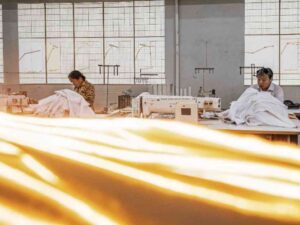 Textile production at work
Why Is China Still One of the Cheapest Options for Clothing Manufacturing?
China remains a top destination for affordable clothing manufacturing due to its large, well-established infrastructure, vast labor pool, and economies of scale. Despite increasing labor costs in recent years, the overall production costs remain competitive.
China’s supply chain infrastructure allows manufacturers to source a wide range of materials locally, cutting down on the cost of raw materials. Moreover, China’s advanced production technology keeps efficiency high.
Are Countries Like Bangladesh and India Better for Budget-Friendly Manufacturing?
Bangladesh and India offer significant savings on labor costs compared to China, which can make them more attractive for smaller, budget-conscious brands.
Both countries have a long-standing reputation for being affordable manufacturing hubs due to low wages and large-scale garment production facilities. However, trade policies, infrastructure quality, and shipping costs can affect overall pricing.
| Country | Average Labor Cost | Key Advantages | Notes |
|---|---|---|---|
| China | Moderate to Low | Advanced infrastructure, tech innovation | Higher wages compared to Bangladesh and India |
| Bangladesh | Very Low | Low labor costs, abundant labor supply | Weak infrastructure, potential delays |
| India | Low to Moderate | Large workforce, variety of textiles | Infrastructure issues, varying labor conditions |
How Do Labor Costs Impact Clothing Manufacturing Prices?
Labor costs play a massive role in the overall price of clothing production. Understanding how different countries price their workforce can help you predict production expenses more accurately.
Labor costs are a critical factor in determining overall manufacturing prices. Countries with lower wages generally offer cheaper production costs.
Which Countries Have the Lowest Labor Costs for Apparel Production?
Bangladesh and India stand out as the countries with some of the lowest labor costs in apparel production, making them top choices for brands looking to minimize costs. Vietnam, Cambodia, and some African nations also offer competitive wages.
The low wages in these countries allow apparel manufacturers to save significantly on labor costs, but this often comes with the challenge of ensuring fair working conditions.

Is It Worth Considering Smaller Manufacturing Nations for Lower Costs?
While countries like Bangladesh and India dominate large-scale production, smaller nations with emerging textile industries, such as Ethiopia and Vietnam, also offer low labor costs2.
Small nations may have lower operating costs, but they also might lack the scale and infrastructure of larger countries, making them less efficient for mass production. However, they can be perfect for niche brands or smaller runs.
| Country | Labor Cost | Manufacturing Scale | Best For |
|---|---|---|---|
| Bangladesh | Low | High | Large-scale, budget-friendly production |
| India | Low to Moderate | High | Versatile production for different types of apparel |
| Vietnam | Low | Moderate | Small to medium-sized brands |
| Ethiopia | Very Low | Low | Niche brands looking for affordable smaller runs |
What Are the Hidden Costs in Cheap Clothing Manufacturing?
Cheap manufacturing costs might seem like a dream, but there are often hidden costs that can surprise you along the way. Here’s where you need to watch out.
Hidden costs like shipping fees, import taxes, and quality control can add up quickly, negating the savings made from cheap production.
How Do Shipping and Import Fees Affect the Overall Cost?
Shipping and import fees are often the hidden costs that sneak up on many brands when working with overseas manufacturers. These costs depend on the country of origin, shipping methods, and import/export regulations.
Shipping from countries like China and India can be more affordable due to established shipping routes, but smaller countries with less established infrastructure can result in higher shipping costs and delays.
Are There Additional Costs for Quality Control in Low-Cost Manufacturing Countries?
Manufacturing in countries with lower labor costs can sometimes mean a lack of rigorous quality control processes, which can lead to additional costs for inspection, rework, and returns. The cost of managing quality assurance should be considered when deciding on a low-cost manufacturing destination.
Investing in quality control will often add to your production cost, but it’s worth ensuring that your products meet global standards, especially for export markets.
| Hidden Cost | Impact | Solution |
|---|---|---|
| Shipping Fees | Increases overall costs | Research shipping routes and costs early |
| Import Taxes | Can add up to 30% of product cost | Understand local tax regulations |
| Quality Control | Can lead to rework and delays | Implement stringent QA protocols |
Is It Possible to Balance Cost and Quality in Cheap Clothing Manufacturing?
For me, balancing cost and quality was the ultimate challenge. Cheap production doesn’t always mean good quality, but with the right approach, it’s possible to find a balance.
Yes, it’s possible to balance both cost and quality, but it requires careful planning, negotiation, and selection of the right manufacturer.
How Do You Ensure Quality While Keeping Costs Low?
To keep costs low while maintaining quality, focus on working with reputable manufacturers, standardizing your design, and investing in quality control processes. If you opt for cheaper manufacturing, ensure that you regularly inspect the production process.
Be clear about your quality expectations from the start and ensure that the manufacturer understands the importance of maintaining standards.
What Are the Risks of Cheap Clothing Manufacturing in Terms of Quality?
Cheap production can sometimes lead to poor stitching, fabric defects, or inconsistent sizes, all of which can damage your brand reputation. It’s important to be aware of these risks and plan accordingly.
If you don’t invest in quality assurance and choose cost over quality, you could end up with defective products that hurt your brand’s reputation.

What Are the Benefits and Drawbacks of Cheap Clothing Manufacturing?
While affordable manufacturing seems like a win, it comes with both advantages and challenges. Here’s a breakdown of the pros and cons.
Cheap clothing manufacturing can lead to significant cost savings, but there are environmental, ethical, and quality issues to consider.
What Are the Environmental and Ethical Implications of Low-Cost Manufacturing?
Manufacturing in countries with low labor costs often comes at the expense of poor working conditions and environmental degradation. Lower standards can result in hazardous working conditions, exploitation, and more wasteful production practices.
While it may save costs, the long-term environmental and ethical impact on your brand can harm your reputation. It’s important to consider sustainable practices and fair wages when working with low-cost manufacturers.
How Do Labor Practices in Cheap Manufacturing Countries Affect Your Brand’s Reputation?
Consumers are increasingly aware of labor practices, and poor conditions can tarnish your brand’s image. As brands shift towards ethical production, working with manufacturers that offer fair wages and better working conditions is crucial to protect your reputation.
Prioritize manufacturers with certifications that ensure ethical practices, like fair wages, working hours, and environmental impact reductions.
Conclusion
Cheap clothing manufacturing is tempting, but it’s essential to understand all the factors involved. While countries like China, Bangladesh, and India offer budget-friendly options, the hidden costs of shipping, quality control, and labor practices must be carefully considered to avoid sacrificing your brand’s integrity.