Skip to content
The global textile industry is vast and complex, with certain countries leading in fabric production1. But where is most fabric manufactured?
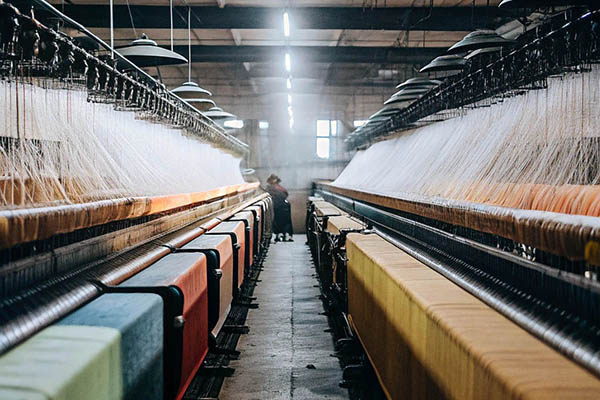
China and India are the largest fabric producers globally, with China accounting for over 50% of the world’s textile production. Other significant contributors include the United States, Pakistan, and Brazil.
Let’s explore the global landscape of fabric manufacturing, the factors influencing production, and the implications for the industry.
Which Countries Lead in Fabric Production?
Fabric manufacturing is concentrated in specific regions. But which countries are at the forefront?
The leading fabric-producing countries are China, India, the United States, Pakistan, and Brazil.
China
China has maintained its position as the world’s largest textile producer for decades. The country’s textile industry2 benefits from:
- Extensive Infrastructure: Well-established factories and supply chains.
- Skilled Workforce: A large pool of experienced workers.
- Economies of Scale: Ability to produce vast quantities at competitive prices.
In 2021, China’s apparel market generated approximately $303 billion USD. The province of Guangdong serves as the epicenter of clothing production, housing a vast network of over 28,000 exporting enterprises. In the first quarter of 2022 alone, the province’s clothing manufacturing sector contributed $6.3 billion USD in export value.
India
India’s textile industry is renowned for its diversity and rich heritage. Key factors include:
- Cotton Production: As one of the largest cotton producers, India has a robust supply of raw materials.
- Skilled Artisans: Expertise in traditional weaving and dyeing techniques.
- Government Initiatives: Policies supporting textile parks and export incentives.
India is the second-largest producer of fiber globally, with cotton being the most produced fiber. Other fibers include silk, wool, and jute.
United States
The U.S. textile industry focuses on innovation and high-quality production:
- Advanced Technology: Investment in automation and research.
- Specialized Fabrics: Production of technical textiles for various industries.
- Sustainable Practices: Emphasis on eco-friendly manufacturing processes.
Despite facing stiff competition from countries with lower production costs, the United States continues to produce fabrics that meet strict quality standards and cater to niche markets.

Pakistan
Pakistan’s textile industry is a cornerstone of its economy:
- Cotton Production: As the fourth-largest global producer of cotton, Pakistan has a strong raw material base.
- Labor Force: A significant portion of the workforce is employed in textiles.
- Export Focus: A major exporter of textile products, especially to Europe and the U.S.
The textile industry contributes 8.5% of Pakistan’s GDP and provides employment to 30% of the 56 million strong national workforce, or 40% of industrial employment.
Brazil
Brazil’s textile industry is notable in South America:
- Diverse Production: Involvement in both natural and synthetic fibers.
- Domestic Market: A large internal market supports the industry.
- Integration: Presence of the entire textile value chain from fiber to finished product.
Brazil is among the top cotton producers globally, contributing significantly to the textile industry.
How Has Global Fabric Production Evolved Over Time?
The textile industry has undergone significant changes. But how has global fabric production evolved?
Global textile fiber production has increased from approximately 24 million metric tons in 1975 to over 113.8 million metric tons in 2022.
This growth is attributed to:
- Technological Advancements: Improved machinery and processes.
- Globalization: Expansion of markets and international trade.
- Population Growth: Increased demand for clothing and textiles.
In 2022, natural fibers such as cotton or wool had a production volume of 25.2 million metric tons, whereas chemical fibers accounted for the remaining 87.6 million.
What Factors Influence Fabric Manufacturing Locations?
Several factors determine where fabric manufacturing thrives. But what are these influencing elements?
Key factors include labor costs, availability of raw materials, infrastructure, government policies, and market access.

Labor Costs
Countries with lower labor costs often attract textile manufacturing due to the labor-intensive nature of the industry.
Availability of Raw Materials
Proximity to raw materials like cotton or synthetic fibers reduces transportation costs and ensures a steady supply.
Infrastructure
Efficient transportation, reliable energy, and modern facilities are crucial for large-scale production.
Government Policies
Supportive policies, including subsidies, tax incentives, and trade agreements, can boost the textile sector.
Market Access
Access to large consumer markets or export opportunities influences manufacturing locations.
How Do Environmental Concerns Impact Fabric Manufacturing?
Environmental issues are increasingly affecting the textile industry. But how significant is this impact?
Environmental concerns have led to a push for sustainable practices3, influencing manufacturing processes and locations.
Pollution and Resource Consumption
The textile industry is known for high water usage and pollution. This has led to:
- Regulations: Stricter environmental laws in various countries.
- Sustainable Practices: Adoption of eco-friendly dyes and recycling.
Climate Change
Climate change poses risks to raw material availability and manufacturing stability. For example:
- Italy’s Textile Industry: Facing challenges due to climate change, including supply chain disruptions and the need for sustainable practices.
What Are the Future Trends in Fabric Manufacturing?
The textile industry continues to evolve. But what does the future hold?
Future trends include automation, sustainability, reshoring, and technological innovations.
Automation
Increased use of robotics and AI to improve efficiency and reduce labor dependence.
Sustainability
A growing emphasis on eco-friendly materials and processes to meet consumer demand and regulatory requirements.
Reshoring
Some companies are bringing manufacturing back to their home countries to reduce dependencies and improve quality control.
Technological Innovations
Advancements in smart textiles and functional fabrics are opening new markets and applications.
Conclusion
Fabric manufacturing is predominantly centered in countries like China, India, the United States, Pakistan, and Brazil. Factors such as labor costs, raw material availability, infrastructure, and environmental considerations play pivotal roles in determining production locations. As the industry faces challenges and opportunities, adaptability and innovation will be key to its continued growth and sustainability.
-
Explore this link to understand the dynamics and statistics of global fabric production, including key players and trends. ↩
-
This resource provides insights into the historical changes and future trends in the textile industry, essential for understanding its current landscape. ↩
-
Discover how the textile industry is adopting sustainable practices to address environmental concerns and meet consumer demands. ↩