Skip to content
Bamboo clothing has gained popularity for its softness, eco-friendliness, and versatility. From activewear to loungewear, bamboo fabric is becoming a staple in sustainable fashion. But where is this innovative fabric manufactured, and what makes bamboo clothing production unique?
Bamboo clothing is primarily made in countries with abundant bamboo resources and established textile industries, such as China, India, and Vietnam. These regions specialize in processing bamboo into fabric, leveraging their expertise in sustainable practices and textile production.
This article explores the origins of bamboo clothing, the production process, and the countries leading the way in its manufacturing.
Where Does Bamboo for Clothing Come From?
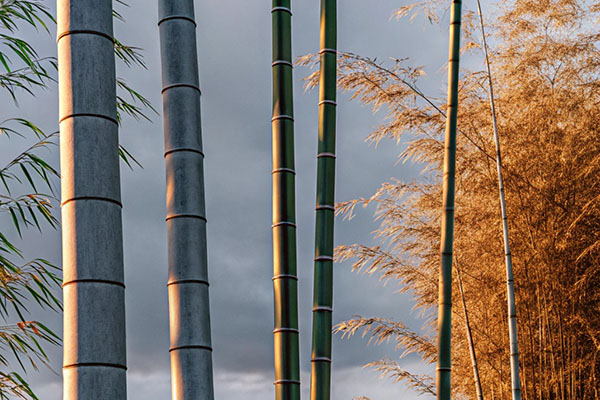
Bamboo used in clothing manufacturing is typically grown in tropical and subtropical regions, where the climate and soil conditions are ideal for its rapid growth.
1. Native Regions
- China: The largest producer of bamboo, home to over 40% of the world’s bamboo species.
- India: Known for its diverse bamboo varieties and sustainable cultivation practices.
- Southeast Asia: Countries like Vietnam, Thailand, and Indonesia also contribute significantly to bamboo production.
2. Why Bamboo?
Bamboo is favored for its environmental benefits:
- Rapid Growth: Bamboo can grow up to three feet per day, making it highly renewable.
- Minimal Resources: Requires less water and no pesticides compared to other crops like cotton.
- Carbon Sequestration: Absorbs more CO2 and produces more oxygen than equivalent trees.
The Bamboo Fabric Production Process
Before bamboo becomes fabric, it undergoes several stages of processing. There are two primary methods for producing bamboo textiles: mechanical and chemical.
1. Mechanical Processing
In this eco-friendly method:
- Bamboo stalks are crushed and broken into fibers.
- The fibers are combed and spun into yarn, creating bamboo linen1.
Drawback: This process is labor-intensive and produces a coarse texture, limiting its use in clothing.
2. Chemical Processing
Most bamboo clothing is made using the viscose or rayon process2:
- Bamboo is treated with chemicals like sodium hydroxide to dissolve the plant into a pulp.
- The pulp is then spun into threads and woven into fabric.
Pros: Produces a soft, silky texture suitable for apparel.
Cons: The process uses chemicals that can harm the environment if not properly managed.
Countries Leading Bamboo Clothing Production
1. China
China dominates bamboo clothing production due to its abundant bamboo resources and advanced textile industry.
Why China excels:
- Expertise: Long history of working with bamboo in various industries.
- Infrastructure: Modern facilities that handle large-scale production.
- Innovation: Leading in the development of sustainable bamboo processing technologies.
Popular bamboo clothing brands in China: Cariloha, Ettitude.
2. India
India is emerging as a major player in bamboo textile manufacturing, thanks to its sustainable practices.
Key advantages:
- Diverse Bamboo Varieties: Ideal for different fabric types.
- Government Support: Policies promoting bamboo cultivation and eco-friendly industries.
- Artisanal Techniques: Blending traditional methods with modern technology.
Bamboo textiles in India are often used for: Organic clothing, babywear, and home textiles.
3. Vietnam
Vietnam combines abundant bamboo resources with a growing textile industry, making it a hub for bamboo clothing.
Highlights:
- Focus on Sustainability: Many manufacturers prioritize eco-friendly production methods.
- Competitive Costs: Affordable labor and materials attract global brands.
- Expanding Market: Increasing exports of bamboo fabrics to Europe and North America.
4. Other Contributors
- Indonesia: Known for artisanal bamboo products and small-scale fabric production.
- Thailand: Specializes in bamboo blends and innovative fabric treatments.
- European Countries: While not producers, countries like Germany and Italy lead in bamboo fabric research and high-end clothing design.
Benefits of Bamboo Clothing Production in These Regions
1. Economic Opportunities
- Bamboo cultivation supports rural communities by providing jobs and boosting local economies.
- The growth of bamboo textiles fosters industries in developing regions.
2. Sustainable Practices
- Bamboo’s low resource needs make it an ideal crop for environmentally conscious production.
- Many manufacturers in these regions adopt green technologies to reduce chemical waste.
3. Global Reach
- Bamboo fabrics from these countries are exported worldwide, meeting the growing demand for sustainable fashion.
Challenges in Bamboo Clothing Production
Despite its benefits, bamboo clothing production faces some challenges:
1. Environmental Concerns
- The chemical process for bamboo viscose can be harmful if waste isn’t managed properly.
Solution: Adopting closed-loop systems3 that recycle chemicals and water.
2. Ethical Labor Practices
- In regions with low labor costs, ensuring fair wages and safe working conditions is critical.
Solution: Certifications like OEKO-TEX4 ensure ethical production standards.
3. Quality Control
- Variations in bamboo quality and processing techniques can affect fabric consistency.
Solution: Investing in advanced technologies and skilled labor improves product quality.
How to Choose Bamboo Clothing Made Sustainably
To ensure your bamboo clothing is truly eco-friendly and ethically produced, look for the following:
1. Certifications
- OEKO-TEX4: Ensures fabric is free from harmful substances.
- GOTS (Global Organic Textile Standard): Certifies organic bamboo textiles.
- Fair Trade: Guarantees ethical labor practices.
2. Reputable Brands
Support brands that are transparent about their sourcing and manufacturing processes.
3. Closed-Loop Processing
Opt for products made using closed-loop systems3, where chemicals are recycled to minimize environmental impact.
The Future of Bamboo Clothing Production
With advancements in technology and growing awareness of sustainability, bamboo clothing production is set to expand further.
Innovations to Watch:
- Bio-Based Processing: Developing methods that use enzymes instead of harsh chemicals.
- Sustainable Blends: Combining bamboo with other eco-friendly fibers like hemp or organic cotton.
- Increased Automation: Improving efficiency and consistency in fabric production.
Conclusion
Bamboo clothing is primarily made in countries like China, India, and Vietnam, where abundant resources and advanced textile industries drive production. While challenges like chemical processing and labor ethics exist, ongoing innovations are making bamboo fabric production more sustainable and eco-friendly. As demand for sustainable fashion grows, bamboo clothing will continue to play a significant role in shaping the future of the textile industry.