Behind every stylish piece of clothing lies the story of fabric sourcing. For brands, choosing the right fabric supplier is a crucial step that determines the quality, cost, and sustainability of their products. Whether creating high-fashion garments or practical activewear, understanding fabric sourcing is key to delivering value to consumers.
Brands source their fabrics from global textile mills1, local manufacturers, and wholesale distributors. The choice depends on factors like fabric quality, cost, sustainability, and the specific needs of their collections.
This guide explores the fabric sourcing process, common supply chain practices, and tips for finding the best materials for your brand.

Why is fabric sourcing important for brands?
Fabric sourcing is more than just selecting materials; it’s about aligning the fabric’s properties with the brand’s goals and customer expectations.
1. Impacts quality
The fabric quality directly affects the garment’s durability, comfort, and overall appeal.
2. Influences cost
Fabrics often represent a significant portion of a garment’s production cost. Sourcing materials wisely helps brands balance quality and affordability.
3. Supports brand identity
From eco-friendly fabrics to luxurious silks, the choice of materials reflects the brand’s values and market positioning.
Where do brands source their fabrics?
Brands use a variety of sources to procure the fabrics needed for their designs. These sources range from large-scale textile mills to specialized local suppliers.

1. Textile mills
Large textile mills are a common choice for brands needing consistent supply and high-quality materials. These mills produce fabrics in bulk and cater to global markets.
Examples:
- China and India: Known for cotton, polyester, and silk.
- Italy: Renowned for luxury fabrics like wool and cashmere.
- Turkey: Specializes in denim and sustainable textiles.
Pro Tip: Working with textile mills is ideal for brands with high-volume production needs.
2. Wholesale fabric suppliers
Wholesale suppliers offer a wide range of fabrics in smaller quantities. These suppliers are a great option for smaller brands or those experimenting with new designs.
Advantages:
- Flexibility: No need for large minimum order quantities (MOQs).
- Variety: Access to diverse fabrics without directly engaging with manufacturers.
3. Local fabric markets
Local markets provide unique, regionally produced textiles that can add authenticity and cultural significance to a collection.
Examples:
- Japan: Known for selvedge denim and intricate prints.
- West Africa: Famous for vibrant, hand-dyed fabrics like Ankara.
4. Sustainable fabric suppliers
With the growing demand for eco-friendly clothing, many brands are turning to sustainable fabric suppliers. These companies focus on materials like organic cotton, recycled polyester, and bamboo blends.
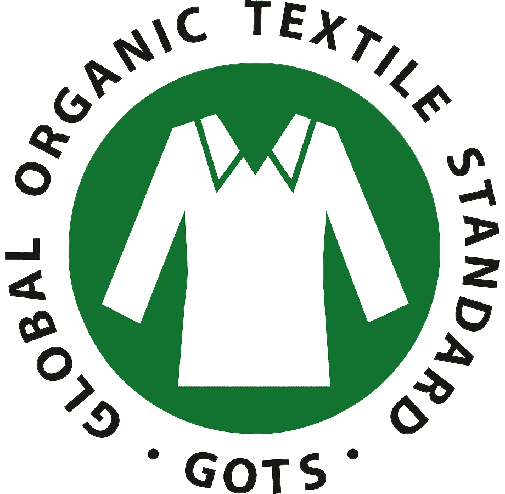
Pro Tip: Certifications like GOTS2 (Global Organic Textile Standard) or OEKO-TEX ensure that fabrics meet sustainability and safety standards.
5. Trade shows and expos
Trade shows are excellent opportunities to discover fabric suppliers and build relationships. Popular events include:
- Première Vision (Paris)3:** A hub for luxury and innovative textiles.
- Texworld USA: Known for its variety of fabrics, including sustainable options.
Factors brands consider when sourcing fabrics
Selecting a fabric supplier is a strategic decision that involves evaluating multiple factors.

1. Quality and performance
- Durability: Ensures the fabric withstands wear and tear.
- Functionality: Moisture-wicking or UV-resistant fabrics for activewear.
- Aesthetics: Color, texture, and drape that align with design goals.
2. Cost and MOQ
Balancing cost and order quantities is crucial, especially for small brands. Wholesale suppliers with low MOQs are more accessible for emerging designers.
3. Sustainability
Many brands prioritize eco-friendly materials to meet consumer demand for sustainable fashion.
Certifications to look for:
- GOTS (organic cotton).
- Recycled Claim Standard4.
- Fair Trade certification.
4. Lead times
Fabrics with longer production or shipping times can delay the overall manufacturing process. Brands must align their sourcing timelines with their production schedules.
How do brands build relationships with fabric suppliers?
Establishing strong partnerships with fabric suppliers ensures consistent quality and smooth operations.
1. Networking
Brands attend trade shows, join industry forums, and leverage referrals to connect with reputable suppliers.
2. Requesting samples
Before committing, brands request fabric swatches to evaluate texture, color, and durability. Testing the fabric in prototypes helps identify potential issues.
3. Negotiating terms
Brands discuss pricing, payment terms, and shipping timelines to create mutually beneficial agreements with suppliers.
4. Long-term collaboration
Building a reliable relationship with a trusted supplier streamlines future sourcing and fosters loyalty.
The rise of digital fabric sourcing platforms
Digital platforms have revolutionized fabric sourcing by connecting brands with global suppliers online.
Popular platforms:
- Alibaba5: Offers a vast range of fabrics with customizable options.
- Fabric.com: A convenient option for small-scale orders.
- Sewport: Matches designers with fabric suppliers and manufacturers.
Benefits of digital sourcing:
- Convenience: Access suppliers without attending physical events.
- Variety: Explore global options from the comfort of your workspace.
- Transparency: Many platforms provide reviews and certifications for suppliers.
Challenges in fabric sourcing and how to overcome them
1. Quality inconsistencies
Not all suppliers deliver consistent quality, especially for large orders.
Solution: Always request samples and consider third-party inspections for bulk orders.
2. Long lead times
Delays in fabric production or shipping can disrupt timelines.
Solution: Work with suppliers who offer shorter lead times or have local distribution centers.
3. High MOQs for small brands
Some suppliers require large orders, making it difficult for startups to manage inventory.
Solution: Look for wholesale suppliers or platforms that cater to low-MOQ clients.
Tips for successful fabric sourcing
- Start small: Test fabrics with a small batch to ensure they meet your standards.
- Focus on communication: Maintain clear and open dialogue with suppliers to avoid misunderstandings.
- Stay updated: Monitor industry trends and innovations in fabrics to stay ahead of the competition.
- Plan ahead: Account for potential delays in sourcing timelines.
Conclusion
Brands source their fabrics from a variety of channels, including textile mills, local markets, and digital platforms. The choice of supplier depends on factors like quality, cost, and sustainability. By understanding their needs, evaluating potential suppliers, and building strong relationships, brands can secure the best materials to bring their designs to life. Whether for high-performance activewear or luxurious fashion collections, thoughtful fabric sourcing is the cornerstone of successful apparel production.
-
Learn about textile mills and their role in fabric supply. ↩
-
Understand certifications ensuring fabric sustainability and safety standards. ↩
-
Explore this event as a hub for luxury and innovative textiles. ↩
-
Learn about this certification for recycled textile content. ↩
-
Discover how Alibaba connects brands to global fabric suppliers. ↩