 Skip to content
Modest fashion is more than just a trend—it’s a movement deeply rooted in cultural, religious, and personal values1. While its popularity has surged in recent years, modest fashion has a rich history that spans centuries, evolving to reflect the lifestyles and traditions of diverse communities. Today, it continues to gain global attention, blending timeless elegance with modern sensibilities.
Modest fashion originated from religious and cultural practices that emphasize dressing conservatively. Over time, it has evolved into a global fashion movement, resonating with individuals who prioritize coverage, style, and inclusivity.
This article delves into the origins of modest fashion, its rise in popularity, and why it is becoming a global phenomenon.
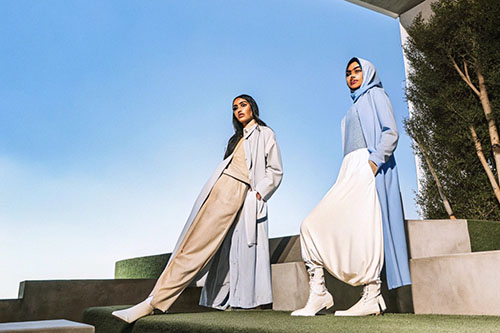
What Is ‘Modest Fashion’ and Why Is It Spreading?
Modest fashion refers to clothing styles that offer more coverage while maintaining aesthetic appeal. Its growing popularity is fueled by shifting consumer preferences and cultural influences.
1. Defining Modest Fashion
Modest fashion is characterized by:
- Coverage: Designs that cover the arms, legs, and neckline without being restrictive.
- Style: Blends traditional and contemporary elements, offering versatile and elegant options.
- Inclusivity: Appeals to people of various religious, cultural, and personal backgrounds.
2. Reasons for Its Global Spread
a. Cultural and Religious Influence
Modest fashion is rooted in practices associated with:
- Islam: Abayas, hijabs, and kaftans are staples in many Muslim-majority countries.
- Judaism: Orthodox communities embrace modest styles like long skirts and high-neck blouses.
- Christianity: Conservative dress codes, such as in Mennonite or Catholic traditions, inspire modest fashion.
These cultural roots remain significant, but modern interpretations have expanded the appeal of modest clothing.
b. Growing Consumer Demand
- Body Positivity: Many individuals prefer modest styles that prioritize comfort and minimize exposure.
- Diversity: Modest fashion celebrates cultural identity while embracing modern design.
- Representation: Increased visibility of modest fashion in media and on runways has normalized it as part of mainstream fashion.
Historical Roots of Modest Fashion
Modest fashion has evolved over centuries, shaped by cultural, religious, and social norms.

1. Ancient Civilizations
In many ancient societies, modest dress was a sign of status, respectability, or spirituality:
- Egypt: Loose robes and tunics were practical and respected cultural norms.
- Greece and Rome: Draped garments like togas symbolized dignity and modesty.
2. Religious Influence
Religious practices have long emphasized modesty, influencing dress codes across cultures:
- Islamic Traditions: Hijabs and long dresses reflect values of privacy and humility.
- Christianity: The Bible’s teachings on modesty influenced conservative dress in many denominations.
- Judaism: Tzniut, the principle of modesty, guides clothing choices in Orthodox Jewish communities.
3. Evolution in the 20th Century
The 20th century saw modest fashion adapt to modern trends:
- Mid-Century Style: Designers like Coco Chanel embraced long hemlines and tailored suits, popularizing modest elegance.
- Cultural Movements: The 1970s and 80s saw a blend of modesty with bold colors and patterns, especially in traditional attire.
Modern Modest Fashion: A Global Movement
Today, modest fashion is a thriving industry with significant cultural and economic impact.
1. Influential Markets
a. Middle East and North Africa (MENA)
The MENA region2 drives the modest fashion industry, with high demand for abayas, kaftans, and contemporary styles.
Dubai, Istanbul, and Kuala Lumpur host major modest fashion events and retailers.
b. Asia-Pacific
- Indonesia, Malaysia, and India are leaders in producing modest wear for both domestic and export markets.
c. Western Markets
- In Europe and North America, modest fashion appeals to diverse consumers, including those seeking professional or casual styles with added coverage.
2. Media and Social Media Impact
Influencers like Dina Tokio and Halima Aden have brought modest fashion to the forefront, normalizing it as a mainstream style choice.
Social media platforms3 allow designers to connect with global audiences, showcasing their work to millions.
3. Industry Growth
The global modest fashion market is valued at over $283 billion4 and is projected to exceed $400 billion by 2024.
Major brands, including Nike, H&M, and Uniqlo, now offer modest fashion lines, reflecting its mainstream appeal.

Challenges in Modest Fashion
Despite its growth, the modest fashion industry faces unique challenges.
1. Cultural Sensitivity
Brands must navigate cultural and religious nuances to create designs that resonate with diverse audiences without misrepresentation.
2. Accessibility
Many modest fashion lines remain inaccessible due to high costs or limited availability in smaller markets.
3. Sustainability
The rise of fast fashion has raised concerns about ethical and environmental practices in modest clothing production.
The Future of Modest Fashion
Modest fashion is poised for continued growth, driven by innovation and inclusivity.
1. Sustainable Practices
- Designers are incorporating eco-friendly fabrics like organic cotton and recycled polyester into their collections.
2. Inclusivity and Representation
- Expanding size ranges and offering diverse styles will make modest fashion more accessible to all demographics.
3. Fusion Styles
- The blending of traditional modest clothing with modern trends will continue to appeal to younger, fashion-conscious consumers.
Conclusion
Modest fashion has deep cultural and historical roots, originating from religious and societal values that prioritize coverage and elegance. Today, it is a global movement that transcends boundaries, embracing diversity and inclusivity. With its growing popularity and market potential, modest fashion is more than a trend—it’s a lasting statement of style, identity, and empowerment.
-
Learn how different faiths shaped this coverage-focused style. ↩
-
Understand how regions like MENA and Asia-Pacific drive demand for conservative apparel. ↩
-
Explore how social media figures normalize and popularize this evolving style. ↩
-
Find data on how this industry surpasses billions in revenue. ↩












