Skip to content
Many custom t-shirts fall short—fading prints, itchy fabric, or shrinkage after one wash. That’s because the wrong fabric kills great designs.
The best materials for high-quality custom t-shirts are combed ring-spun cotton1, cotton-poly blends, polyester, tri-blends2, and eco-friendly fabrics3, each offering unique advantages for print quality, comfort, and brand identity.
When I first started developing t-shirts for premium clients, I quickly learned that fabric wasn’t just a background detail. It shaped how the print looked, how the shirt felt, and how the brand was remembered. Let’s dive into what you really need to know.
Why Fabric Choice Matters for Custom T-Shirts?
The right fabric does more than feel good. It defines how the shirt prints, fits, and sells.
Fabric choice directly affects print durability, wear comfort, and perceived quality—impacting brand image, customer satisfaction, and repeat purchases.
I remember a client who once used low-cost carded cotton for a launch. The shirts faded fast, returns piled up, and their brand image took a hit. Lesson learned: never overlook the fabric.
Impact on Print Quality and Durability
Certain fabrics hold ink better, resist cracking, and retain vibrant colors over time.
- Cotton (especially combed ring-spun) provides a smooth surface, ideal for DTG and screen printing.
- Polyester works best for sublimation because it bonds with dye on a molecular level.
- Blends tend to balance print quality and wear resistance, reducing cracking and color bleed.
Influence on Comfort, Fit, and Brand Image
Softness, drape, and stretchiness vary by fabric—and so does how your brand feels in customers’ hands.
- Tri-blends offer unmatched softness, ideal for lifestyle brands.
- Polyester brings performance features like moisture-wicking, great for activewear.
- Organic cotton or bamboo makes a strong statement for eco-conscious brands.
Top Fabric Types for Custom Printed T-Shirts?
Each fabric type has pros, cons, and ideal use cases—let’s break it down.
The top custom t-shirt fabrics in 2025 include 100% combed ring-spun cotton, cotton-poly blends, polyester, tri-blends, and eco-fabrics. Each fits specific needs from print style to brand values.

1. 100% Combed Ring-Spun Cotton
🌟 Soft, breathable, print-friendly
✅ Ideal for: DTG, Screen Printing
❗ Watch out: Slight shrinkage, wrinkles easily
This is the gold standard for custom tees. The combing process removes impurities, and ring spinning aligns fibers for a smooth surface. That’s why it’s perfect for detailed prints.
- GSM Range: 145–200 is typical. Go above 180 for a premium, thick hand feel.
- Shrinkage: Pre-shrunk versions reduce post-wash surprises.
- Sustainability: Can be sourced organically for ESG goals.
2. Cotton-Polyester Blends (50/50 or 60/40)
🌟 Great shape retention, less shrinkage
✅ Ideal for: Heat transfer, sublimation on light colors
❗ Colors may fade slightly over time
Blends are versatile. The poly gives strength and reduces shrinkage, while cotton keeps it comfy.
- Best Use: Promotions, uniforms, mid-range retail tees.
- Print Compatibility: Needs proper ink types to avoid dye migration.
- Durability: Lasts longer than 100% cotton but might lose some vibrancy with time.
3. 100% Polyester (Performance Fabrics)
🌟 Quick-dry, athletic feel
✅ Ideal for: Sublimation printing
❗ Not suitable for DTG or standard screen printing
This fabric is a must for sportswear brands. It doesn’t absorb moisture and dries fast.
- Sublimation Only: Requires heat-activated inks; won’t work with DTG.
- Brands Using It: Nike, Under Armour, and many teamwear lines.
- Care Tips: Avoid high heat when washing or drying to prevent print degradation.
4. Tri-Blend (Cotton + Polyester + Rayon)
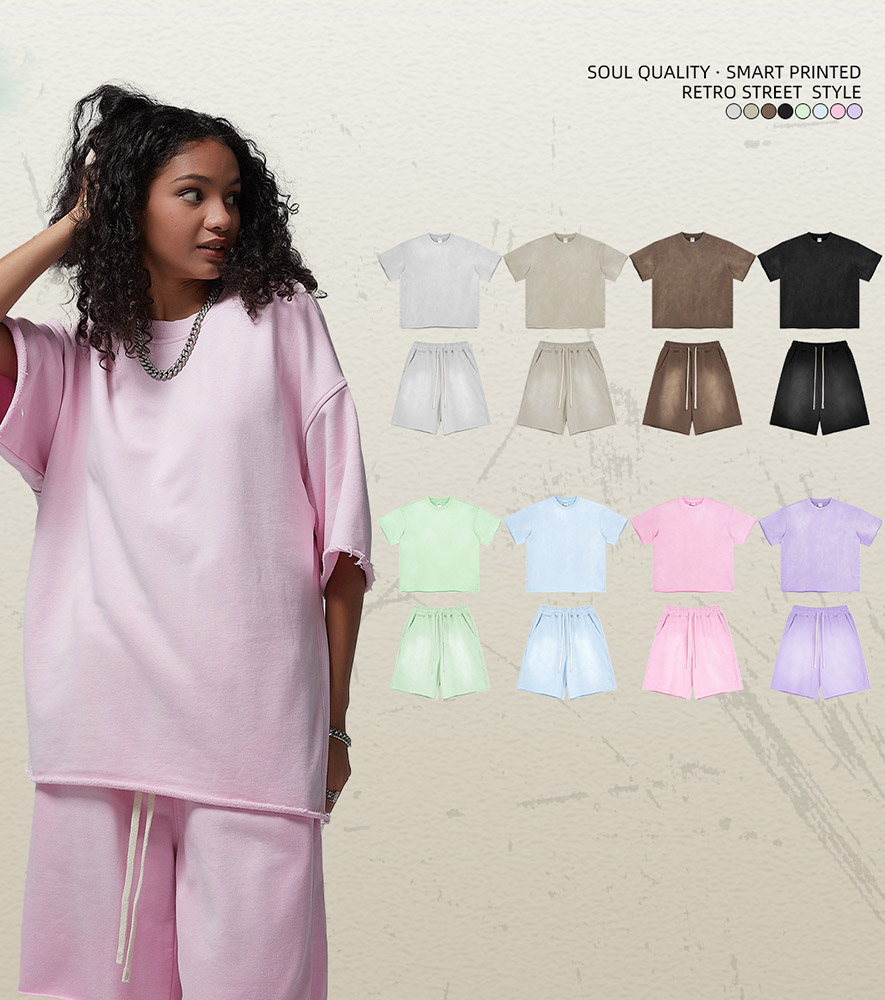
🌟 Premium softness, vintage feel
✅ Best for: High-end fashion or lifestyle brands
❗ Limited color vibrancy when printing
Tri-blends create a high-end perception instantly. That drape and softness feel luxurious.
- Popular Ratios: 50% poly, 25% cotton, 25% rayon.
- Print Strategy: Use water-based inks for a vintage, faded look.
- Target Market: Gen Z and millennials looking for aesthetic, ethical fashion.
5. Organic Cotton / Bamboo / Recycled Fabrics
🌟 Eco-friendly, brandable as sustainable
✅ Ideal for: Brands with ESG values
❗ May require pretreatment for printing
These fabrics tell a story. That’s key if sustainability is part of your brand voice.
- Organic Cotton: GOTS-certified versions are widely accepted.
- Bamboo Viscose: Feels like silk, very breathable.
- Recycled Poly: Often used in blends to maintain strength and lower impact.
| Fabric Type | Softness | Eco Rating | Print Compatibility |
|---|---|---|---|
| Organic Cotton | Medium-High | ✅✅✅ | DTG, Screen |
| Bamboo | High | ✅✅✅✅ | Needs Pretreatment |
| Recycled Poly | Medium | ✅✅ | Sublimation only |
Matching Print Methods with Fabric Types?
Using the right method ensures better results and longer-lasting designs.
Each fabric works best with specific print methods: DTG for cotton, sublimation for polyester, and screen printing for most blends.
DTG: Best on 100% Cotton
- Requires smooth fibers to hold the ink.
- Pre-treatment is critical for dark garments.
- Use for photorealistic designs.
Sublimation: Only on Polyester
- Works only on light-colored polyester.
- Ink becomes part of the fabric—no cracking.
- Not usable on cotton or dark fabrics.
Screen Printing: Works on Most, Prefers Blends
- High durability with plastisol or water-based inks.
- Best for bulk orders.
- Use discharge inks on darker tri-blends for soft feel.
Heat Transfer Vinyl (HTV): Flexible but needs smooth surface
- Works well on cotton and blends.
- Great for small runs or personalized designs.
- Not ideal for high-end retail quality.
How to Choose the Right Fabric for Your Brand?
Different goals call for different fabric strategies. It’s not one-size-fits-all.
The right fabric depends on your top priority—comfort, sustainability, performance, or budget—and the kind of printing you plan to use.
If Comfort Is #1 → Choose Tri-Blend or Ring-Spun Cotton
- Use for premium streetwear or lifestyle labels.
- Pair with water-based screen prints for soft feel.
If Performance Matters → Choose Polyester
- Must-have for sports or fitness brands.
- Pair with sublimation for full-color prints.
If You Want Eco-Friendly → Choose Organic / Bamboo
- Appeal to ESG-conscious consumers.
- Mention certifications on hang tags for extra brand value.
If Budget Is Tight → Choose Cotton-Polyester Blend
- Lower cost, reliable performance.
- Ideal for bulk orders or giveaways.
FAQ: T-Shirt Fabric and Printing
Q: Will polyester shirts peel when printed?
A: Only if incorrect printing methods (like DTG) are used. Use sublimation or heat transfers designed for polyester.
Q: Is DTG better than screen print on cotton?
A: DTG gives more detail and color range but is best for small runs. Screen print is more durable and economical for volume.
Q: What GSM weight is best for a premium shirt?
A: 180–200 GSM is the sweet spot for premium-feel t-shirts. Lighter GSM feels thinner and may look cheap.
Q: Which fabrics shrink more after washing?
A: 100% cotton shrinks the most. Blends and polyester have better shape retention.
Conclusion
Choosing the right fabric for your custom t-shirts sets the tone for your entire brand. Match your fabric to your printing method and brand goals to create pieces your customers will love—and remember.
-
Explore the advantages of combed ring-spun cotton, known for its softness and print quality, to enhance your custom t-shirt designs. ↩
-
Learn why tri-blends are favored for their softness and vintage feel, making them ideal for lifestyle brands. ↩
-
Discover eco-friendly fabric options that align with sustainability goals, appealing to environmentally conscious consumers. ↩