Skip to content
Every time I touch a Lululemon legging, I ask myself: how do they make it feel this good? If you’ve ever wondered who’s behind Lululemon’s production—or how you can replicate their quality for your own brand—you’re not alone.
Lululemon partners with elite manufacturers like Eclat1 and MAS Holdings2, outsourcing production to high-performing factories across Asia. Startups can learn a lot from their playbook—especially if you’re building a premium brand.
I used to think that big brands like Lululemon had their own factories. But the truth is, even giants like them rely on strategic supplier networks. That realization changed how I approached manufacturing.
What Is Lululemon’s Manufacturing Strategy at a Glance?
Lululemon doesn’t make its own products. Instead, it partners with a network of specialized factories who bring the brand’s vision to life.
Lululemon follows an asset-light model, relying on long-term manufacturing partners for flexibility, specialization, and global reach—especially in technical fabric innovation.
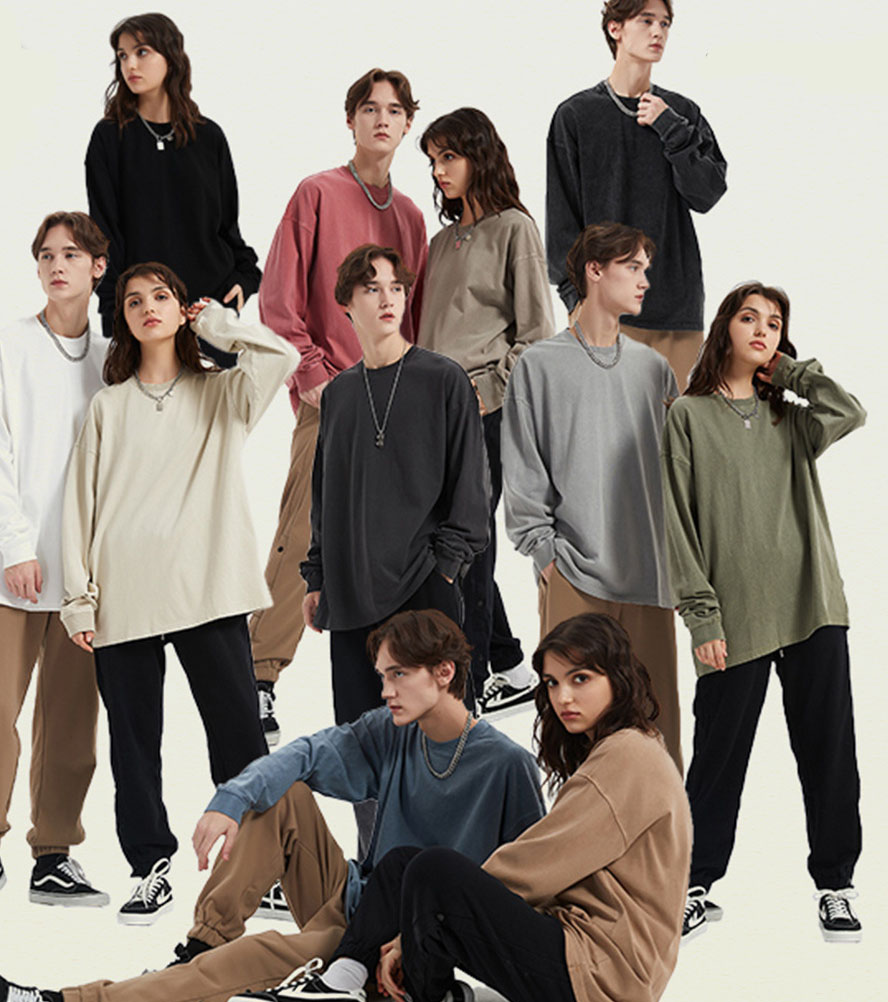
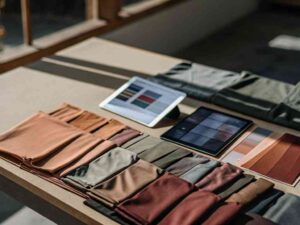 Color Planning
Why Lululemon Doesn’t Own Factories
Owning factories limits flexibility. Lululemon avoids this by outsourcing 100% of production.
- More agility to scale up/down
- Focus on design and innovation, not machinery
- Access to global talent in manufacturing
Outsourcing to a Global Network – What This Means
Instead of a single supplier, Lululemon spreads production across Asia:
- Reduces risk (e.g., from geopolitical shifts)
- Leverages regional strengths (e.g., Vietnam for labor, Taiwan for textiles)
- Negotiates better pricing through competition
Importance of Material Tech and Compliance
Lululemon sets high bars for:
- Performance standards (stretch, durability, breathability)
- Compliance (ethics, sustainability, labor audits)
- R&D collaboration with key suppliers
Where Are Lululemon’s Products Made?
Lululemon products come from a mix of Southeast Asian and East Asian countries.
The main manufacturing hubs for Lululemon include Vietnam, China, Cambodia, and Sri Lanka—each chosen for specific capabilities in fabric or garment production.
Main Production Countries: China, Vietnam, Cambodia, Sri Lanka
| Country | Specialty |
|---|---|
| Vietnam | Cost-efficient assembly, skilled labor |
| China | High-tech textiles, dyeing innovation |
| Cambodia | Seamless garments, knits |
| Sri Lanka | Ethical production, bonded seams |
OEM vs ODM vs Direct Partnerships
Lululemon mainly uses OEMs with deep specialization. But it also works closely—almost like co-development.
- OEM (Original Equipment Manufacturing): Lululemon controls design
- ODM-style collaboration: For fabric innovation
- Strategic partnerships: For signature material dev
Publicly Known Manufacturers
Lululemon discloses many of its suppliers in annual impact reports. Some notable names:
- Eclat Textile (Taiwan): Fabric and garment powerhouse
- MAS Holdings (Sri Lanka): Ethical production leader
- Quang Viet (Vietnam): High-volume outerwear
- Sheico (Taiwan): Known for performance knits and stretch materials

What Makes Lululemon’s Manufacturing Process Unique?
It’s not just about where they produce—it’s how they manage performance and innovation across the supply chain.
Lululemon stands out by tightly integrating material development, technical construction (like seamlesswear), and a serious commitment to sustainability.
Signature Fabrics (e.g., Nulu, Luon, Everlux)
Their fabrics aren’t off-the-shelf. Each is co-developed:
- Nulu: For buttery-soft comfort in Align pants
- Luon: Moisture-wicking for classic leggings
- Everlux: Fast-drying for intense workouts
Seamless Construction and 4-Way Stretch
Instead of cut-and-sew basics, they invest in seamlesswear and engineered compression.
- Fewer seams = better movement
- 4-way stretch3 = second-skin fit
- Targeted compression = muscle support
Sustainability and Ethical Sourcing
Lululemon tracks:
- Factory audits and labor conditions
- Recycled and renewable materials
- Supply chain carbon emissions
How to Manufacture Apparel Like Lululemon – Step by Step
You don’t need to be a billion-dollar company to follow their playbook. Here’s how you can adapt it as a startup.
To manufacture like Lululemon, you need the right fabric blends, a technically capable ODM partner, and a clear sampling process.
Choosing the Right Functional Fabrics
Look for nylon/elastane blends, brushed surfaces, and moisture management. Start with:
| Fabric Type | Ideal Use Case |
|---|---|
| Brushed nylon | Yoga, lounge |
| Interlock knits | Seamless leggings |
| Ribbed spandex | Fashion-forward sets |
| Recycled poly | Eco-conscious buyers |
Working with Suppliers Who Understand Fit and Performance
You need a factory that can help refine your fit:
- Experience with 4-way stretch
- Pattern grading and size set expertise
- Tech pack interpretation and feedback
At Modaknits, we help startup brands translate design ideas into wearable, functional pieces.
Low MOQ Strategies for Startups
You don’t need to order 10,000 units. Here’s a lean strategy:
- 300–500 pcs/style as a first run
- 2–3 colorways
- Use shared fabric bases to reduce costs
Sample Development Timelines and Costs
A smart sampling process saves you money later.
| Sample Type | Typical Cost | Lead Time |
|---|---|---|
| Basic fit sample | $50–$100 | 7–10 days |
| Size set | $150–$300 | 2–3 weeks |
| Final sample | Varies | After adjustments |
Tips for Fashion Brands Looking to Compete in the Premium Activewear Market
It’s not just about copying Lululemon—it’s about standing out in a similar tier.
To compete in the premium space, focus on product performance, innovative sourcing, and experienced partners who understand fashion tech.
Positioning Your Brand Through Quality and Function
Buyers in this market care about:
- Fabric feel
- Fit precision
- Long-term durability
Make sure your marketing communicates these clearly.
Sourcing for Innovation vs. Price
Chasing the cheapest option backfires. Invest in suppliers who offer:
- Material development
- Sustainability know-how
- Prototyping flexibility
Why Working with an Experienced Chinese ODM Partner Matters
China still leads the world in functional fabric and seamlesswear expertise.
- Faster timelines
- More fabric choices
- Integrated sampling + production
At Modaknits, we support fashion brands with trend-driven designs, advanced materials, and fast production cycles.
Conclusion
Lululemon’s supply chain is global, high-tech, and carefully managed. But startups can adopt similar strategies—starting with the right materials and the right partners.
-
Explore Eclat’s innovative fabric solutions that enhance Lululemon’s product quality and performance. ↩
-
Learn about MAS Holdings’ commitment to ethical manufacturing and how it impacts Lululemon’s brand reputation. ↩
-
Discover how 4-way stretch technology enhances comfort and performance in activewear, crucial for brands like Lululemon. ↩