Skip to content
Ever slipped into a hoodie and immediately felt the cozy weight of quality fabric? That substantial, warm feeling usually comes from what we call a "heavyweight hoodie." But what exactly makes a hoodie heavyweight?
A hoodie is considered heavyweight when it has a fabric density of 350 GSM1 (grams per square meter) or higher. The thickness, material composition, and construction all contribute to its weight and warmth.
But there’s more to heavyweight hoodie2s than just a high GSM number. Let’s break down the factors that define heavyweight hoodies and why they’re so popular.
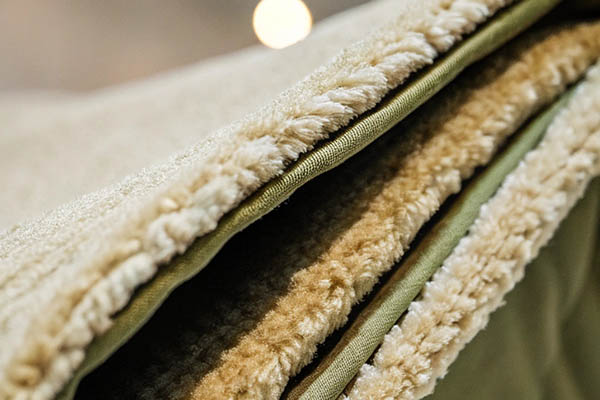
What does GSM mean, and why does it matter for hoodies?
If you’ve shopped for hoodies, you’ve probably seen terms like 280 GSM or 400 GSM. So, what does GSM actually mean?
GSM stands for Grams per Square Meter, measuring the fabric’s weight and density. A higher GSM indicates thicker, heavier fabric, which adds warmth and durability to a hoodie.
How GSM influences hoodie performance
The GSM value helps you predict how a hoodie will feel and perform in different settings.
| GSM Range | Hoodie Type | Characteristics |
|---|---|---|
| 200–280 | Lightweight | Thin, breathable, ideal for layering or warmer climates. |
| 280–350 | Midweight | Balanced warmth and flexibility for year-round wear. |
| 350–450+ | Heavyweight | Thick, warm, and durable; perfect for colder weather. |
Why higher GSM feels heavier
Higher GSM fabrics contain more fibers, resulting in a denser, thicker texture. Heavyweight hoodies not only weigh more but also feel sturdier and more insulating compared to their lightweight counterparts.
Example:
- A 450 GSM hoodie feels similar to a warm, soft blanket.
- A 220 GSM hoodie feels more like a lightweight long-sleeve shirt.
What materials contribute to a heavyweight hoodie?
Fabric composition significantly affects hoodie weight. So, which materials create that heavyweight feel?
Heavyweight hoodies are often made from cotton, fleece, or cotton-poly blends3. The material’s fiber density, weave, and finish influence its weight and warmth.
Let’s break down the most common materials.
1. Cotton: The classic heavyweight choice
Cotton is naturally heavier due to its dense fiber structure.
- 100% cotton hoodies: Soft, breathable, and heavier than synthetics.
- Combed cotton: Stronger and smoother due to its refined fibers.
- Organic cotton: Eco-friendly but may weigh slightly less due to less processing.
Example: A 100% cotton hoodie at 400 GSM feels significantly heavier than a cotton-poly blend at the same GSM.
2. Fleece: Lightweight warmth with a thick feel
Fleece fabrics are brushed to create a plush, insulating surface.
- Cotton fleece: Heavy and warm, with high breathability.
- Polyester fleece: Lighter than cotton but retains warmth effectively.
- Sherpa fleece: Extremely thick, often found in winter hoodies.
Key insight: Fleece feels heavier than it actually is because of its texture, even at lower GSM levels.

3. Cotton-poly blends: Balancing weight and durability
Cotton-poly blends combine the softness of cotton with the strength of polyester.
- 80/20 cotton-poly: Feels heavy but resists shrinkage.
- 60/40 cotton-poly: Lighter and more breathable, suitable for mild weather.
Material comparison table:
| Material | Weight | Warmth | Durability | Breathability |
|---|---|---|---|---|
| 100% Cotton | Heavy | High | Moderate | High |
| Cotton Fleece | Heavy | Very High | Moderate | Moderate |
| Polyester Fleece | Medium | High | High | Low |
| Cotton-Poly Blend | Moderate | High | High | Medium |
Pro tip: For a hoodie that’s both heavyweight and long-lasting, choose an 80/20 cotton-poly blend with a brushed fleece interior.
How does fabric construction impact hoodie weight?
The way fabric is woven or knitted also affects how heavy a hoodie feels.
Fabric construction—whether knit or woven—determines weight, texture, and warmth. Heavyweight hoodies often use thick, tightly knit fabrics like fleece, French terry, or double-knit cotton.
Let’s explore how these methods contribute to a hoodie’s heft.
1. French terry vs. fleece: What’s the difference?
| Fabric Type | Texture | Weight Impact | Best Use |
|---|---|---|---|
| French Terry | Smooth front, looped back | Moderate weight, breathable | Mild to cool weather |
| Brushed Fleece | Smooth front, soft brushed back | High weight, very warm | Cold weather, casual wear |
| Double-knit | Two layers of interlocked fabric | Heaviest, thick structure | Extreme warmth and durability |
2. Knitting density and weight
- Loose-knit hoodies: Lighter, more breathable, less insulating.
- Tight-knit hoodies: Denser, heavier, and warmer.
Example:
A French terry hoodie with a tight knit at 350 GSM feels heavier than a loosely knit fleece hoodie of the same GSM due to fiber density.
Pro tip: If you want maximum weight and warmth, choose hoodies with double-knit construction.
Why do heavyweight hoodies feel warmer than lighter ones?
Weight and warmth often go hand-in-hand—but what makes heavyweight hoodies feel warmer?
Heavyweight hoodies feel warmer because thicker fabrics trap more heat, reducing body heat loss. Material type, fabric density, and surface finish also influence thermal performance.
Let’s break down the science of warmth.

1. Heat retention through fiber density
Denser fabrics have more fibers per square inch, creating smaller air pockets that trap heat.
- High GSM cotton fleece: Traps warm air effectively.
- Low GSM jersey knit: Allows heat to escape more easily.
Example:
A 400 GSM fleece hoodie retains more heat than a 250 GSM cotton hoodie, even if both use similar fibers.
2. Interior surface finish: Brushed vs. unbrushed
- Brushed fleece: Fibers are raised to create a plush, insulating surface.
- Unbrushed French terry: Loops remain intact, allowing more airflow.
Tip: For maximum warmth, choose hoodies with a brushed fleece interior.
3. Material composition’s role in warmth
| Material | Heat Retention | Explanation |
|---|---|---|
| 100% Cotton | Moderate | Natural fibers allow some airflow. |
| Polyester Fleece | High | Synthetic fibers trap heat effectively. |
| Wool Blends | Very High | Wool fibers trap air for insulation. |
Pro insight: If you need a heavyweight hoodie for winter, opt for a cotton-poly fleece blend with a brushed finish.
What are the practical benefits of heavyweight hoodies?
Heavyweight hoodies aren’t just warm—they also offer several functional advantages.
Heavyweight hoodies provide superior warmth, durability, and structure compared to lighter options, making them ideal for colder climates and rugged use.
Let’s break down these benefits.
1. Enhanced warmth
Thicker fabrics insulate better, reducing the need for additional layers.
Best for: Winter, outdoor work, and chilly evenings.
2. Improved durability
Heavyweight fabrics resist wear and tear better, making them ideal for:
- Workwear hoodies that endure rough conditions.
- Streetwear where structure and form matter.
Tip: Look for reinforced seams and double-stitched cuffs for extra longevity.
3. Structured appearance
Lightweight hoodies tend to drape loosely, while heavyweight hoodies maintain a clean, structured look.
Fashion benefit: The heavier weight adds a premium feel, making hoodies look more tailored.
4. Versatility for layering
Heavy hoodies work well as standalone garments or as layers under winter jackets.
Layering insight: Opt for a heavyweight hoodie with a snug fit if you plan to wear it under a coat.
How can you identify a true heavyweight hoodie?
Not all hoodies labeled "heavyweight" live up to the name. So, how can you tell the difference?
To identify a true heavyweight hoodie, check the GSM rating, fabric thickness, and stitching quality. High-GSM hoodies should feel dense and substantial when held.
Checklist for spotting heavyweight hoodies
- Check the GSM: Look for 350 GSM or higher.
- Feel the fabric: It should feel thick and sturdy, not flimsy.
- Inspect the seams: Double or triple stitching adds strength.
- Test the stretch: Heavyweight fabrics resist stretching better than lightweight ones.
Pro tip: If the manufacturer doesn’t list the GSM, be cautious—it may indicate a thinner, lower-quality hoodie.
Conclusion
A hoodie is considered heavyweight when it has a GSM of 350 or higher, along with dense, durable fabric and solid construction. Materials like cotton fleece or cotton-poly blends add both warmth and weight, while features like brushed interiors and double-stitched seams enhance performance. Whether you need warmth for winter or simply enjoy the feel of high-quality fabric, a heavyweight hoodie is always a solid choice.
-
Learn about GSM and its significance in fabric quality, helping you choose the right hoodie for your needs. ↩
-
Explore this link to understand the key features and benefits of heavyweight hoodies, ensuring you make an informed choice when shopping. ↩
-
Discover the advantages of cotton-poly blends, which combine comfort and durability for the perfect heavyweight hoodie. ↩