Skip to content
Screen print transfers are a popular way to create custom designs on apparel. They offer the vibrant colors of screen printing with the convenience of heat pressing. But what machines do you need to get started?
To make screen print transfers1, you need a screen printing press, exposure unit, conveyor dryer, and a heat press.
These machines work together to produce high-quality transfers that are easy to apply. Let’s explore each one in detail.
Why choose screen print transfers?
Screen print transfers are gaining popularity among apparel decorators. But what makes them so appealing?
Screen print transfers combine the durability of screen printing with the flexibility of heat press2ing, making them ideal for on-demand customization and bulk production.
Unlike traditional screen printing, transfers allow you to print designs in advance and apply them later. This flexibility reduces waste, speeds up production, and makes it easier to handle custom orders.
Versatility and Convenience
Screen print transfers can be applied to a wide range of fabrics, including cotton, polyester, and blends. They’re ideal for T-shirts, hoodies, and promotional products. Since the designs are pre-printed, you can stock up on popular designs and press them on demand.
High-Quality and Durable Prints
Screen print transfers use plastisol ink, known for its vibrant colors and durability. The ink bonds firmly with the fabric, ensuring long-lasting designs that don’t crack or fade easily.
Cost-Effective for Bulk Orders
Making transfers in bulk reduces production costs. You can print multiple designs on a single transfer sheet, maximizing efficiency and minimizing waste.
Easy Customization and Personalization
With screen print transfers, you can easily customize designs with names, numbers, or other personalized elements. This makes them ideal for team uniforms, event merchandise, and personalized gifts.
What equipment is needed to make screen print transfers?
Creating screen print transfers involves several steps, each requiring specialized equipment. So, what machines are essential for the process?
To make screen print transfers, you need the following equipment: screen printing press3, exposure unit, conveyor dryer, and heat press.
Let’s break down each machine’s role in the process.
Screen Printing Press
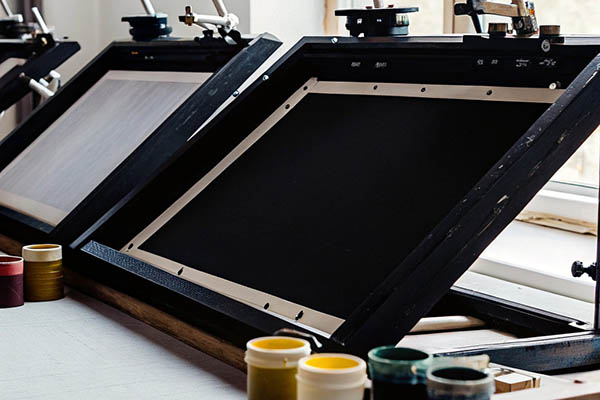
A screen printing press is used to transfer the ink onto transfer paper. It holds the screen in place, ensuring accurate alignment and consistent pressure for each print.
- Purpose: Applies ink through the stencil onto transfer paper.
- Types: Manual or automatic presses.
- Best For: High-quality, consistent prints, especially for multi-color designs.

Exposure Unit
The exposure unit is used to create the stencil on the screen. It hardens the emulsion around the design, leaving the image area open for ink to pass through.
- Purpose: Transfers the design onto the screen using UV light.
- How It Works: The UV light hardens the emulsion around the design, creating a stencil.
- Best For: Detailed and accurate designs.
Conveyor Dryer
Once the ink is printed on the transfer paper, it needs to be cured. A conveyor dryer provides consistent heat to cure the plastisol ink, ensuring durability and vibrancy.
- Purpose: Cures the ink on the transfer paper.
- Temperature: Typically set to 320°F (160°C) for plastisol ink.
- Best For: Fast and even curing for bulk production.
Heat Press
The heat press is used to apply the screen print transfer onto the fabric. It provides the necessary heat and pressure to bond the ink with the garment fibers.
- Purpose: Transfers the design from the paper to the fabric.
- Settings: Typically 325°F (163°C) for 7-10 seconds with firm pressure.
- Best For: Versatile application on different fabrics, including cotton, polyester, and blends.
Optional Equipment
- Flash Dryer: For spot curing between colors in multi-color designs.
- Powder Applicator: Applies adhesive powder to ensure better transfer adhesion.
Overview of Essential Equipment
| Equipment Type | Purpose | Recommended Type |
|---|---|---|
| Screen Printing Press | Transfers ink onto transfer paper | Manual or Automatic |
| Exposure Unit | Creates stencil on the screen | UV Exposure Unit |
| Conveyor Dryer | Cures plastisol ink on transfer paper | Belt Conveyor Dryer |
| Heat Press | Bonds transfer to fabric | Clamshell or Swing-Away |
| Optional: Flash Dryer | Spot cures between colors | Infrared Flash Dryer |
| Optional: Powder Applicator | Applies adhesive powder | Automatic Powder Applicator |
Can you make screen print transfers without all this equipment?
The list of equipment needed for screen print transfers may seem overwhelming. But is it possible to make them without all these machines?
Yes, you can make basic screen print transfers with minimal equipment, but the quality and efficiency may be compromised.
Here are some budget-friendly alternatives.
DIY Alternatives
- Screen Printing Kit: A basic kit with a manual screen printing frame, squeegee, and ink can be used for small-scale transfers.
- Heat Gun or Household Oven: Instead of a conveyor dryer, you can use a heat gun or oven to cure the ink, although temperature control is less precise.
- Stencil Cutter: For simple designs, a vinyl cutter can be used to create stencils without an exposure unit.
Downsides of DIY Methods
- Inconsistent results due to manual alignment and uneven curing.
- Limited design complexity and color options.
- Lower durability and vibrancy compared to professional equipment.

When to Use DIY Methods
DIY methods are suitable for hobbyists, small businesses, or those testing the process before investing in professional equipment. However, for consistent, high-quality results, investing in proper machinery is recommended.
How much does it cost to start making screen print transfers?
Starting a screen print transfer business involves upfront investment. But how much does it cost?
The cost to start making screen print transfers ranges from $2,000 to $10,000, depending on the equipment quality and scale of production.
Here’s a breakdown of the estimated costs:
| Equipment Type | Estimated Cost Range |
|---|---|
| Screen Printing Press | $300 – $3,000 |
| Exposure Unit | $200 – $1,500 |
| Conveyor Dryer | $1,000 – $5,000 |
| Heat Press | $200 – $1,500 |
| Optional: Flash Dryer | $300 – $1,200 |
| Optional: Powder Applicator | $500 – $2,000 |
| Total Estimated Cost | $2,000 – $10,000 |
Budget-Friendly Tips
- Start Small: Begin with a manual screen printing press and a heat gun to reduce costs.
- Buy Used Equipment: Consider purchasing used machines from reputable sellers.
- Gradual Upgrades: Start with essential equipment and upgrade as your business grows.
Where to buy screen printing equipment?
Finding reliable suppliers for screen printing equipment is crucial for quality and durability. But where should you look?
Screen printing equipment can be purchased from specialized suppliers, online marketplaces, or local distributors.
Recommended Suppliers
- Ryonet: Known for high-quality screen printing presses and supplies.
- ScreenPrinting.com: Offers a wide range of equipment and educational resources.
- Amazon and eBay: Good for budget-friendly options and used equipment.
- Local Distributors: Provide customer support and maintenance services.
Tips for Buying Equipment
- Check customer reviews and ratings.
- Compare prices and warranty options.
- Look for bundled packages for better deals.
Conclusion
To make screen print transfers, you need essential equipment, including a screen printing press3, exposure unit, conveyor dryer, and heat press. While DIY alternatives exist, investing in professional machines ensures consistent, high-quality results. By understanding each machine’s role and costs, you can make an informed decision and start your screen print transfer business with confidence.
-
Discover the benefits and applications of screen print transfers, a growing trend in custom apparel decoration. ↩
-
Learn about heat presses and their importance in transferring designs onto fabrics, crucial for successful screen print transfers. ↩
-
Explore this link to understand the functionality and types of screen printing presses, essential for creating high-quality transfers. ↩ ↩