Skip to content
Some t-shirts fly off the shelves. Others sit untouched. What separates the best-sellers from the rest? The answer isn’t just in the cut—it’s in the data.
The most consistently sold t-shirts are crew neck, short-sleeve styles in black or white, made from soft cotton or blends, designed with a clean silhouette that fits both casual and fashion-forward markets.
As someone who’s helped brands choose what to launch—and what to skip—I’ve seen which SKUs move the fastest. This guide breaks down the best-sellers and why they work, so you can make smarter decisions.
Which T-Shirt Styles Are Consistently Top Sellers in the Clothing Market?
No matter the season or trend cycle, a few styles always outperform.
Crew neck, short-sleeve t-shirts remain the global best-sellers due to their versatility, comfort, and layering ability.
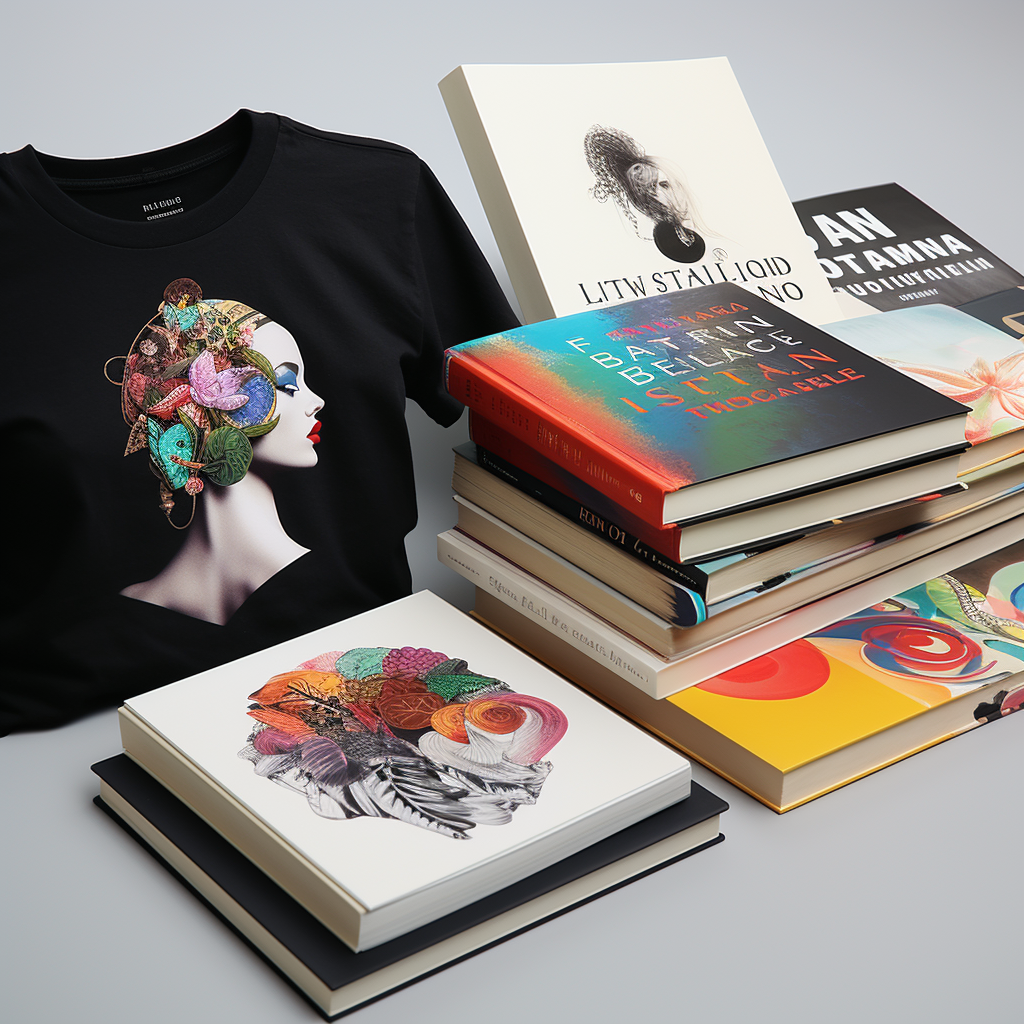
 Minimalist Tee Fold
Why do crew neck t-shirts dominate global sales charts?
Crew necks offer universal appeal—clean lines, minimal design, and easy fit across all demographics.
They’re:
- Ideal for layering
- Cost-effective to produce
- Suitable for unisex markets
Crew neck = the safest and smartest style to scale.
Is slim-fit or oversized more popular among different age groups?
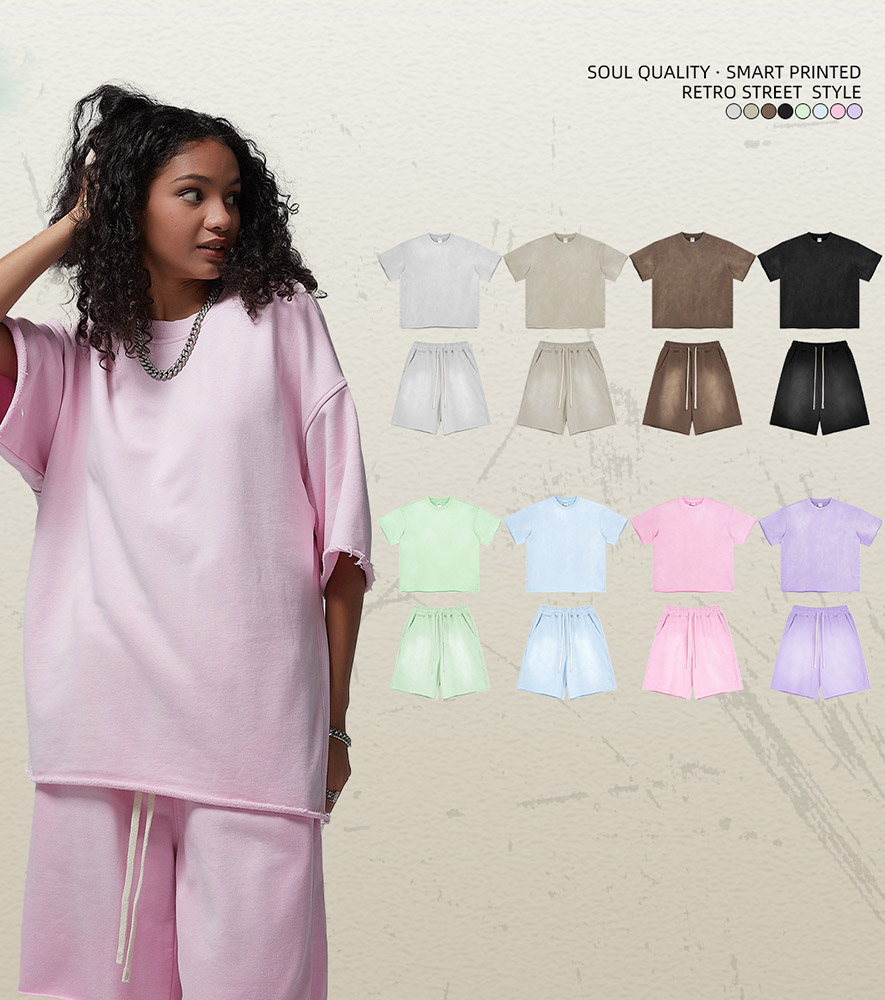
Millennials still prefer slim or regular-fit tees, while Gen Z is driving the rise of oversized and boxy styles.
| Age Group | Preferred Fit | Notes |
|---|---|---|
| Gen Z | Oversized, boxy | Inspired by retro/streetwear |
| Millennials | Slim/Regular fit | More polished, tailored look |
| Gen X | Regular fit | Balanced comfort and versatility |
Fit = generational identity.
What T-Shirt Colors and Prints Drive the Most Sales?
Trends come and go, but color psychology and wearability are constant.
Black, white, grey, and navy are always the top-selling t-shirt colors due to their layering potential and timeless appeal.
Are plain colors like black and white always best-sellers?
Yes—black and white lead every sales chart because they match everything, flatter all skin tones, and offer maximum styling flexibility.
Top 5 color performers:
- Black
- White
- Heather grey
- Navy
- Olive
These colors are the “core” of any brand’s t-shirt line.
How do graphic tees and slogan designs impact sales trends?
Graphic t-shirts—especially those tied to pop culture, streetwear, or bold slogans—sell fast in drops but less consistently long-term.
Graphic tee sales spike when:
- Influencers wear them
- Drops are time-limited
- Designs tap into social trends or nostalgia
Use graphics for hype. Use solids for volume.
How Does Fabric Influence T-Shirt Sales Performance?
Customers notice feel first. Materials drive return purchases.
100% cotton1 still leads for comfort and breathability, but cotton-poly blends are gaining ground due to better durability and shape retention.

Is 100% cotton still king, or are blends and performance fabrics rising?
Yes, 100% cotton dominates basics, but 60/40 cotton-poly blends are rising in both performance and fashion categories.
| Fabric Type | Best Use Case | Buyer Appeal |
|---|---|---|
| 100% Cotton | Daily casual wear | Softness, breathability |
| Cotton-Poly Blend | Streetwear/fashion tees | Shape retention, less shrinkage |
| Tri-blends (poly/cotton/rayon) | Active or premium basics | Lightweight, drapes well |
Choose based on function and feel.
What materials are most preferred in different climates or regions?
Warmer climates prefer lightweight cotton and blends, while colder markets value heavier knits or brushed interiors.
Examples:
- UK/Northern EU: midweight cotton, fleece-lined options
- Southeast Asia: ultra-light cotton, moisture-wicking blends
- US/CA: broad range, from fashion to sport performance
Region = reason for material choice.
What Role Do Gender, Age, and Culture Play in T-Shirt Preferences?
Buyer profiles shape everything—from cut to color to branding.
Gen Z prefers expressive, oversized styles. Millennials lean functional. Men’s and women’s preferences differ in fit, fabric weight, and neckline depth.
What types of t-shirts sell best to Gen Z vs millennials?
| Demographic | Hot Sellers |
|---|---|
| Gen Z | Oversized graphic tees, vintage cuts |
| Millennials | Slim-fit, sustainable basics |
Gen Z shops with identity. Millennials shop with purpose.
Do men’s and women’s top-selling t-shirts follow different patterns?
Yes—men prefer crew necks and structured fits. Women lean into softer knits, scoop necks, cropped lengths, or relaxed silhouettes.
Unisex is growing, but:
- Women’s tees often need more drape
- Men’s tees prioritize shoulder structure
Style and comfort expectations differ by gender.
How Can Brands Use These Trends to Increase T-Shirt Sales?
Success = knowing your buyer + aligning with their habits.
Brands that win focus on hero products (crew necks), nail fit across generations, and design around timeless colors—while using smart marketing to build hype.
What design strategies increase conversion in e-commerce clothing sales?
**High-converting strategies include:
- Showing fit on multiple body types
- Offering zoomed-in fabric detail shots
- Including color comparison swatches
- Displaying outfits with styling suggestions**
Bonus tip: Add “bestseller” or “fan favorite” badges to guide shoppers.
How do influencer marketing and limited drops affect top-selling items?
Collaborations with influencers, niche designers, or cultural moments drive urgency and exclusivity—leading to instant sellouts and waitlists.
Examples:
- Weekly drops with countdown timers
- Collaborations with artists or local creators
- Early access via email or SMS
Hype sells fast—but quality sustains.
Conclusion
The t-shirts that sell the most combine classic cuts, trusted colors, and smart fabric choices—then connect emotionally through fit, message, or drop strategy. Whether you’re designing, sourcing, or selling, the winning formula is equal parts simplicity and strategy.
-
Discover why 100% cotton remains a top choice for comfort and breathability in t-shirt fabrics. ↩