Skip to content
When buying or sewing shorts, understanding the different parts helps you find the perfect fit. But what is the waist part of shorts called?
The waist part of shorts is called the waistband1. It is the upper section that sits around the waist, providing structure and support.
The waistband can significantly impact comfort and style. Let’s explore the different types, functions, and how to choose the right one for your needs.
What are the different types of waistbands on shorts?
Waistbands come in various styles, each designed for a specific purpose and fit.
Common types include elastic waistbands2, drawstring waistbands3, fixed waistbands, and hybrid waistbands. Each type offers a unique balance of comfort, adjustability, and style.
Choosing the right type depends on the activity and personal preference. Here’s a closer look at each style.
1. Elastic Waistband
An elastic waistband is made with a stretchy material that adjusts to the wearer’s waist size.
- Comfortable and flexible, allowing easy movement.
- Commonly used in athletic shorts, loungewear, and swim trunks.
- Easy to wear and suitable for different body shapes.
This style provides maximum comfort but lacks the structured look of fixed waistbands.
2. Drawstring Waistband
Drawstring waistbands feature an adjustable cord that ties at the front or inside the waistband.
- Offers customizable fit and adjustability.
- Ideal for casual and athletic shorts.
- Often combined with elastic for added comfort.
The drawstring allows you to tighten or loosen the fit as needed, making it versatile for different activities.
3. Fixed Waistband
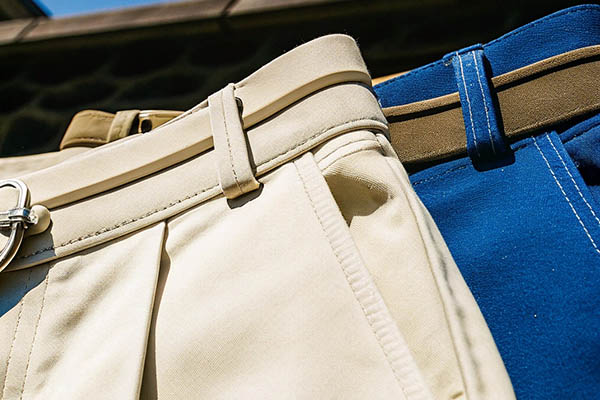
A fixed waistband is a non-stretchy band that fastens with buttons, zippers, or hooks.
- Provides a structured, tailored look.
- Commonly found on dress shorts, chinos, and denim shorts.
- Offers less flexibility but gives a polished, fitted appearance.
This style is more formal and suitable for occasions where a neat, tailored look is desired.
4. Hybrid Waistband
Hybrid waistbands combine elastic and fixed elements, offering structure with some flexibility.
- Structured front with elastic at the back for comfort.
- Perfect for smart-casual shorts that need both style and comfort.
- Adjustable and versatile for different body shapes.
Hybrid waistbands offer the best of both worlds, balancing comfort and style.
Why is the waistband important for fit and comfort?
The waistband plays a crucial role in how shorts fit and feel. It supports the shorts and keeps them in place.
An ill-fitting waistband can cause discomfort, sagging, or pinching. A well-designed waistband enhances comfort, mobility, and overall style.
Choosing the right waistband ensures the shorts sit comfortably on the waist without slipping or digging into the skin.

How to Choose the Right Waistband for Comfort
- For Activewear: Choose an elastic or drawstring waistband for flexibility and mobility.
- For Casual Wear: Elastic or hybrid waistbands provide comfort for all-day wear.
- For Formal Occasions: Opt for a fixed waistband for a polished, tailored look.
- For Versatility: A hybrid waistband balances style and comfort, suitable for smart-casual outfits.
Selecting the right waistband ensures comfort throughout the day, no matter the activity or occasion.
How do waistbands impact style and appearance?
Waistbands not only affect comfort but also influence the overall style and silhouette of the shorts.
A high-rise waistband creates a sleek, elongated look, while a low-rise waistband gives a casual, relaxed vibe.
The width, height, and design of the waistband can dramatically change the appearance of the shorts, complementing different body shapes and fashion styles.
Types of Waistbands and Their Style Effects
- High-Rise Waistband: Sits above the natural waist, elongating the legs and defining the waistline. Ideal for a polished, sophisticated look.
- Mid-Rise Waistband: Sits at the natural waist, offering a balanced, comfortable fit. Versatile for both casual and formal styles.
- Low-Rise Waistband: Sits below the waist, creating a relaxed, laid-back appearance. Best for casual, sporty looks.
- Wide Waistband: Offers extra support and a sleek look, commonly found in high-waisted shorts.
- Narrow Waistband: Minimalistic and subtle, ideal for a streamlined, modern silhouette.
Choosing the right waistband style enhances the overall outfit, creating the desired look and feel.
What materials are used for waistbands?
Waistbands are made from various materials, each offering different levels of comfort, stretch, and durability.
Common materials include elastic, cotton, polyester, and spandex blends. The choice of material affects the waistband’s flexibility, comfort, and style.
Selecting the right material is essential for achieving the desired fit and feel.

Popular Materials for Waistbands
| Material | Characteristics | Best For |
|---|---|---|
| Elastic | Stretchy and flexible | Athletic and casual shorts |
| Cotton | Soft and breathable | Casual wear and loungewear |
| Polyester | Durable and quick-drying | Swimwear and activewear |
| Spandex Blend | Highly stretchy and supportive | Performance shorts and leggings |
| Denim | Structured and sturdy | Casual and fashion shorts |
The material choice impacts the waistband’s comfort, durability, and style. For example, elastic and spandex blends are ideal for activewear, while cotton and denim work well for casual outfits.
How to measure the waistband size for shorts?
Getting the right waistband size is crucial for comfort and fit.
To measure the waistband size, wrap a measuring tape around your natural waistline, where the waistband is intended to sit. Ensure the tape is snug but not too tight.
Knowing your waist size helps you choose the right fit and avoid discomfort or sagging.
Step-by-Step Guide to Measuring Waistband Size
- Identify Waistline: Determine where you want the waistband to sit (high, mid, or low-rise).
- Wrap the Tape: Wrap a flexible measuring tape around your waist at the chosen point.
- Check the Fit: The tape should be snug but not tight, allowing for comfortable movement.
- Take the Measurement: Record the measurement in inches or centimeters.
- Double-Check: Measure again to ensure accuracy.
Knowing your waist size helps you choose the right shorts and ensures a comfortable fit. It also makes online shopping easier by comparing measurements with sizing charts.
Can you alter the waistband on shorts?
Yes, you can alter the waistband on shorts for a better fit.
Common alterations include taking in the waistband for a tighter fit or adding elastic for flexibility.
Altering the waistband allows customization for different body shapes and preferences. It’s a cost-effective way to get a tailored fit without buying new shorts.
How to Alter a Waistband
- Taking In the Waistband: Pinch the excess fabric at the back, sew a new seam, and trim the excess.
- Adding Elastic: Insert elastic into the waistband casing for a more flexible, adjustable fit.
- Lowering or Raising the Waistband: Adjust the height by cutting and resewing the waistband at the desired level.
- Replacing the Waistband: Remove the existing band and sew a new one for a completely different look or fit.
Altering the waistband customizes the fit, ensuring maximum comfort and style. It also extends the life of your favorite shorts.
Conclusion
The waist part of shorts is called the waistband. It comes in various styles, including elastic, drawstring, fixed, and hybrid waistbands. The right waistband enhances comfort, fit, and style. Consider the activity, body shape, and personal preference when choosing the perfect waistband.
Whether for casual wear, active sports, or formal occasions, selecting the right waistband ensures a comfortable and stylish fit. Understanding the different types and materials helps you make the best choice for your needs.