Skip to content
Sweatshirts have become a global fashion staple, blending comfort with style. But is there a place that holds the title of the "sweatshirt capital of the world"?
Historically, Martinsville, Virginia, was known as the "Sweatshirt Capital of the World1" due to its thriving textile industry in the 20th century.
However, the dynamics of the global apparel industry have shifted over time. Let’s explore Martinsville’s legacy and the current landscape of sweatshirt manufacturing.
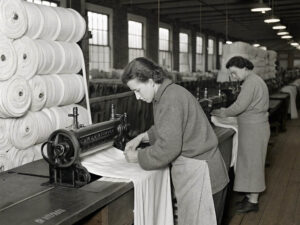
Why was Martinsville, Virginia, known as the "Sweatshirt Capital of the World"?
Martinsville’s designation as the sweatshirt capital stems from its rich textile heritage.
In the mid-20th century, Martinsville’s textile mills, notably Tultex and Bassett-Walker, produced a significant portion of the world’s sweatshirts, earning the city its famous nickname.
Key Factors in Martinsville’s Textile Dominance
- Industrial Growth: The establishment of large-scale mills provided employment to thousands, making textiles the backbone of the local economy.
- Product Specialization: Focusing on fleecewear and sweatshirts allowed Martinsville to dominate this niche market.
- Community Identity: The city’s identity and pride were closely tied to its status in the textile industry2.

How did the decline of Martinsville’s textile industry impact its status?
Global economic changes led to significant shifts in Martinsville’s industrial landscape.
In the early 1990s, changing global economic conditions and new trade treaties made Martinsville’s textiles and furniture manufacturing economically unsustainable, leading to factory closures and job losses.
Consequences of Industrial Decline
- Economic Downturn: The loss of manufacturing jobs led to increased unemployment and economic challenges.
- Community Resilience: Efforts were made to diversify the local economy and attract new industries to revitalize Martinsville.
Which regions are leading in sweatshirt manufacturing today?
The globalization of the apparel industry has shifted sweatshirt production to various parts of the world.
Today, countries like China, Bangladesh, and Vietnam are leading sweatshirt manufacturing3 due to their established textile industries and cost-effective labor.
Leading Sweatshirt Manufacturers
- Gildan Activewear: A Canadian company with significant manufacturing operations in countries like Honduras and Bangladesh.
- Russell Athletic: Founded in Alabama, USA, this brand has a rich history in athletic apparel, including sweatshirts.
How has the global shift in manufacturing affected local economies?
The relocation of manufacturing hubs has had profound effects on both former and current centers of production.
While cities like Martinsville faced economic challenges due to factory closures, countries in Asia experienced industrial growth and job creation in the textile sector.

Impacts on Former Manufacturing Hubs
- Economic Diversification: Former hubs have had to diversify their economies to reduce dependence on a single industry.
- Cultural Shifts: The loss of manufacturing has led to changes in community identities and local cultures.
Benefits for New Manufacturing Regions
- Economic Growth: Increased employment opportunities and industrial development have boosted local economies.
- Global Integration: These regions have become integral parts of the global supply chain, influencing international trade dynamics.
Conclusion
While Martinsville, Virginia, once proudly held the title of the "Sweatshirt Capital of the World," global economic shifts have redistributed sweatshirt manufacturing across various countries. Today, nations like China, Bangladesh, and Vietnam lead in production, reflecting the evolving nature of the global textile industry. Understanding this history provides insight into the complexities of global manufacturing and its socio-economic impacts.
-
Explore the rich history of Martinsville, Virginia, and its significance in the textile industry, which shaped its identity as the Sweatshirt Capital. ↩
-
Discover the evolution of the textile industry, its impact on local economies, and how it has adapted to global changes. ↩
-
Learn about the current leaders in sweatshirt manufacturing and how globalization has reshaped the industry landscape. ↩