Skip to content
Starting a T-shirt manufacturing business is an exciting venture that combines creativity and entrepreneurship. With the growing demand for customized and trendy apparel, entering this market offers significant profit potential. However, building a successful business requires careful planning, sourcing, and execution.
The process to start a T-shirt manufacturing business involves researching the market, creating a business plan, sourcing materials, setting up production, and implementing effective marketing strategies.
This guide breaks down each step to help you launch and scale your T-shirt manufacturing business with confidence.

Step 1: Research the market and identify your niche
How to research T-shirt market trends1
Before diving into production, it’s crucial to understand the market dynamics and define your target audience.
1. Conduct market research
- Analyze trends: Study the latest T-shirt styles, patterns, and printing techniques.
- Identify competitors: Research other T-shirt manufacturers to understand pricing, quality, and design trends.
- Understand customer preferences: Determine the type of designs, materials, and price points your target audience prefers.
2. Choose your niche
Focusing on a specific niche helps you stand out in a competitive market. Consider niches like:
- Custom graphic T-shirts: Cater to individuals or businesses seeking personalized designs.
- Eco-friendly T-shirts: Use sustainable materials like organic cotton or bamboo.
- Sports and activewear: Design performance-focused T-shirts for athletes.
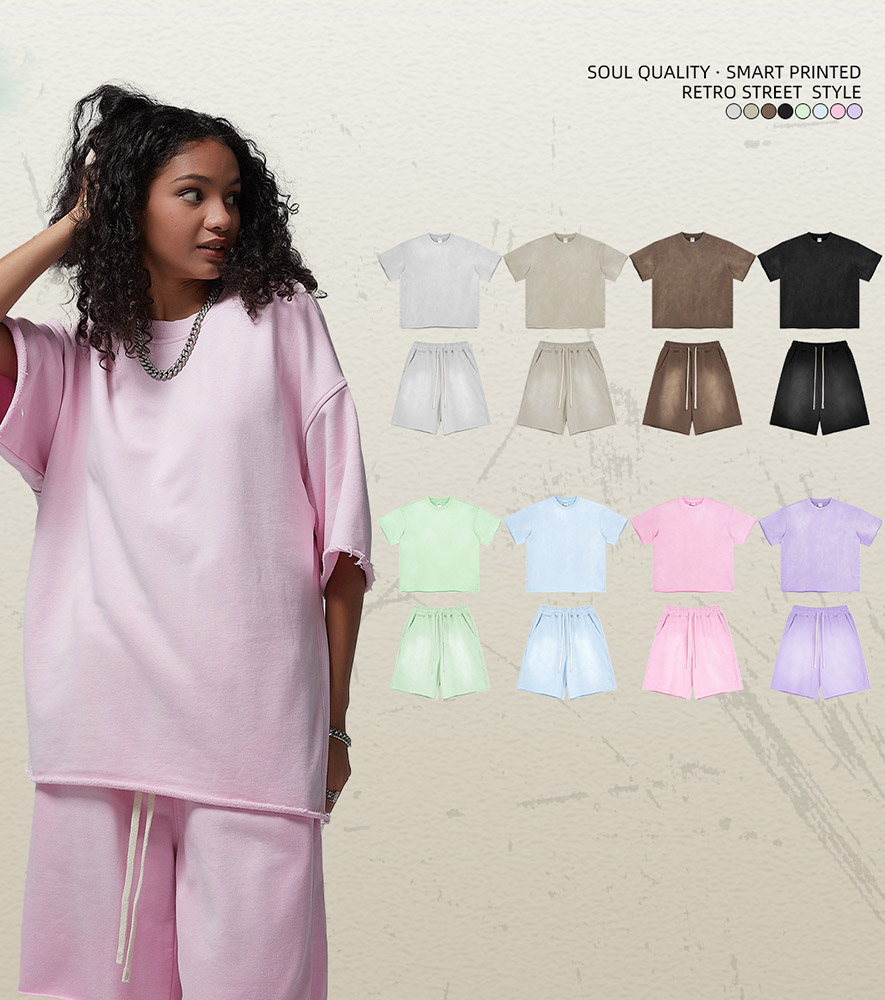
- Streetwear: Target young, fashion-forward audiences with trendy styles.
Pro Tip: Look for underserved markets within your niche for maximum impact.
Step 2: Create a business plan
A solid business plan outlines your vision and serves as a roadmap for your T-shirt manufacturing business.
Key components of a business plan:
- Executive summary: Briefly describe your business goals and mission.
- Market analysis: Include insights from your research and define your target audience.
- Product line: Detail the types of T-shirts you’ll manufacture, including materials, styles, and printing techniques.
- Operational plan: Outline your production process, supplier relationships, and distribution channels.
- Financial plan: Include startup costs, pricing strategy, and revenue projections.
Step 3: Source materials and equipment
Best fabrics for T-shirt manufacturing2
Sourcing quality materials and investing in the right equipment are critical for producing high-quality T-shirts.

1. Choose the right fabric
Select fabrics based on your niche and customer preferences. Popular options include:
- Cotton: Soft, breathable, and versatile.
- Polyester: Durable and moisture-wicking, ideal for activewear.
- Blends: Combine the best features of cotton and polyester for balanced performance.
2. Purchase equipment
Depending on your production scale, you’ll need:
- Sewing machines: For stitching and assembling T-shirts.
- Printing equipment: Screen printers, heat presses, or DTG (Direct-to-Garment) printers for designs.
- Cutting tools: Fabric cutters for precision.
Pro Tip: Start with cost-effective options and upgrade as your business grows.
3. Build relationships with suppliers
Partner with reliable suppliers for fabrics, inks, and other materials. Look for:
- Consistent quality.
- Competitive pricing.
- Flexible order quantities.
Step 4: Set up your production process
Setting up a small garment production workshop3
Your production setup should ensure efficiency, quality, and scalability.
1. Establish a workspace
Decide whether to operate from a home-based workshop, rent a small facility, or outsource production to a third-party manufacturer.
2. Organize production steps
Break down the process into clear stages:
- Fabric cutting: Precision cutting for consistent sizing.
- Printing or dyeing: Add designs or patterns to the fabric.
- Stitching and assembly: Assemble the T-shirt using sewing machines.
- Quality control: Inspect each piece for defects or inconsistencies.
3. Hire skilled workers
If your business requires additional manpower, hire skilled workers for sewing, printing, and quality control.
Step 5: Develop your branding and marketing strategy
Building a strong brand and marketing your T-shirts effectively is essential for attracting customers and standing out in a competitive market.
Effective branding strategies for apparel businesses4

1. Create a brand identity
- Logo and name: Choose a memorable logo and brand name that reflect your niche.
- Packaging: Use eco-friendly or unique packaging to enhance the customer experience.
- Storytelling: Share your brand’s story and values to connect with your audience.
2. Build an online presence
- Website: Create an e-commerce website to showcase and sell your products.
- Social media: Use platforms like Instagram and TikTok to promote designs and interact with customers.
- SEO and ads: Invest in search engine optimization and targeted ads to increase visibility.
3. Collaborate with influencers
Partner with influencers in your niche to promote your T-shirts and reach a wider audience.
Step 6: Launch and grow your business
How to market custom T-shirts online5
After setting up production and marketing, it’s time to launch your T-shirt manufacturing business and focus on growth.
1. Start with a soft launch
Test your product with a small audience to gather feedback and make improvements before scaling.
2. Expand your distribution channels
- Sell on online marketplaces like Amazon or Etsy.
- Partner with local retailers to stock your T-shirts.
- Attend trade shows or pop-up markets to reach new customers.
3. Monitor and optimize
- Track performance: Use analytics tools to measure sales, customer engagement, and profitability.
- Seek feedback: Regularly ask customers for input to improve your products and services.
- Scale gradually: Expand your product line or increase production capacity as demand grows.
Key challenges and how to overcome them
Starting a T-shirt manufacturing business comes with its challenges, but proactive strategies can help you navigate them.
1. Managing costs
- Start small to minimize initial investment.
- Negotiate with suppliers for better rates on bulk orders.
2. Maintaining quality
- Implement strict quality control measures.
- Train your staff to ensure consistent craftsmanship.
3. Standing out in a crowded market
- Focus on unique designs and a strong brand identity.
- Leverage social media to build a loyal customer base.
Conclusion
Starting a T-shirt manufacturing business requires careful planning, creativity, and determination. By researching the market, sourcing quality materials, setting up efficient production processes, and developing a strong brand, you can establish a successful and profitable venture. With the right strategies, your T-shirt business can grow into a recognized name in the industry.
-
Learn about popular styles, materials, and consumer preferences before starting production. ↩
-
Compare cotton, polyester, and blends to choose materials that suit your target market. ↩
-
Discover tips for organizing equipment and workflow efficiently in limited spaces. ↩
-
Find ways to create a strong brand identity, including logos, packaging, and storytelling. ↩
-
Explore digital marketing strategies, social media platforms, and e-commerce tools for growth. ↩