Skip to content
The demand for sustainable sportswear is growing as consumers become more conscious of environmental issues. But which brand leads in sustainability?
Brands like Patagonia, Adidas, Girlfriend Collective, and Allbirds are among the most sustainable sportswear brands. They use recycled materials, ethical production practices, and innovative technologies to reduce their environmental impact.
Let’s explore how these brands are making a difference and what makes a sportswear brand truly sustainable.
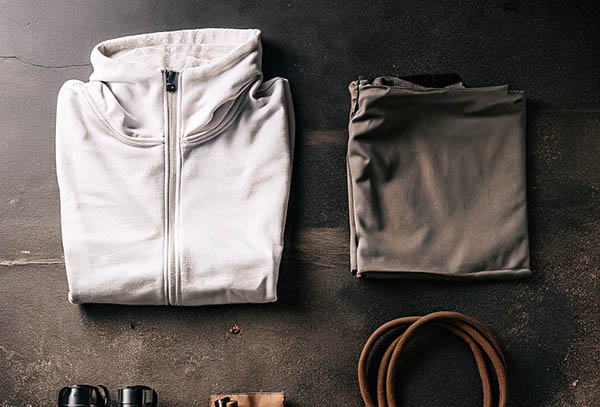
What Makes a Sportswear Brand Sustainable?
Sustainability is more than just using recycled materials. But what are the key factors that define an eco-friendly sportswear brand?
A sustainable sportswear1 brand focuses on ethical sourcing2, eco-friendly fabrics3, low-waste production, and carbon reduction. Transparency and circular economy initiatives also play a crucial role.
Ethical Sourcing
Sustainable brands ensure fair wages and safe working conditions for workers. They avoid exploitative labor practices and work with certified ethical suppliers.
Eco-Friendly Materials
The choice of fabric significantly impacts sustainability. Popular sustainable materials include:
- Recycled Polyester – Made from plastic bottles and ocean waste.
- Organic Cotton – Grown without harmful pesticides and chemicals.
- TENCEL™ (Lyocell) – A biodegradable fiber made from sustainably sourced wood pulp.
- Hemp and Bamboo – Fast-growing, low-impact plant-based materials.
Low-Waste Production
Zero-waste manufacturing minimizes fabric waste and pollution. Techniques include digital pattern-making and fabric recycling initiatives.
Carbon Reduction
Leading brands invest in carbon offset programs, renewable energy, and sustainable logistics to minimize their carbon footprint.
Which Sportswear Brands Are Leading in Sustainability?
Several brands are pushing the boundaries of sustainability in sportswear. But which ones stand out?
Patagonia, Adidas, Girlfriend Collective, Allbirds, and Pangaia are some of the top sustainable sportswear brands. Each has a unique approach to sustainability, from material innovation to ethical manufacturing.

Patagonia – The Pioneer of Sustainable Sportswear
Patagonia has been a leader in sustainability for decades. The brand focuses on environmental activism, ethical production, and durable products.
Sustainability Initiatives:
- Uses 100% recycled polyester and organic cotton.
- Has a Worn Wear program for repairing and reselling used gear.
- Donates 1% of sales to environmental causes.
Adidas – Mainstream Sustainability Leader
Adidas is one of the largest sportswear brands embracing sustainability. The company has ambitious goals to reduce its environmental impact.
Sustainability Initiatives:
- Collaborates with Parley for the Oceans to create sneakers from recycled ocean plastic.
- Aims for carbon neutrality by 2050.
- Developing plant-based and biodegradable shoes.
Girlfriend Collective – Sustainable and Inclusive Activewear
Girlfriend Collective is known for its ethical and eco-friendly approach to activewear. The brand is also praised for its size inclusivity.
Sustainability Initiatives:
- Uses recycled plastic bottles and fishing nets for leggings and bras.
- Ensures ethical labor practices in its factories.
- Offers a ReGirlfriend program to recycle old clothing.
Allbirds – Innovator in Sustainable Footwear
Allbirds specializes in eco-friendly sneakers made from natural materials like wool and sugarcane.
Sustainability Initiatives:
- Uses merino wool, eucalyptus fiber, and sugarcane-based foam.
- Operates on a carbon-neutral business model.
- Plans to cut emissions in half by 2025.
Pangaia – Science-Driven Sustainability
Pangaia combines technology and nature to create sustainable sportswear. The brand is known for its innovative fabric solutions.
Sustainability Initiatives:
- Uses seaweed fiber, recycled cotton, and bio-based dyes.
- Invests in tree-planting and carbon offset programs.
- Develops biodegradable and compostable materials.

How Do Sustainable Sportswear Brands Reduce Environmental Impact?
Eco-friendly brands are changing how sportswear is made. But what are their most effective strategies?
Sustainable brands reduce their impact by eliminating plastic waste, switching to renewable energy, and promoting circular fashion models.
Eliminating Plastic Waste
Many brands are phasing out virgin plastic in favor of recycled alternatives. For example:
- Adidas has pledged to use only recycled polyester by 2024.
- Patagonia makes jackets from recycled fishing nets.
Switching to Renewable Energy
Brands like Allbirds and Pangaia use solar and wind energy in their production facilities to reduce reliance on fossil fuels.
Promoting Circular Fashion
Some brands encourage customers to recycle their old gear. Patagonia’s Worn Wear and Girlfriend Collective’s ReGirlfriend program allow customers to return used items for recycling or resale.
Are Sustainable Sportswear Brands More Expensive?
Eco-friendly brands often have higher price tags. But why?
Sustainable sportswear brands tend to be more expensive due to ethical labor practices, high-quality eco-friendly materials, and responsible production methods. However, their durability often makes them a better long-term investment.
| Factor | Fast Fashion | Sustainable Sportswear |
|---|---|---|
| Material Quality | Low-cost synthetic fabrics | Recycled & organic fabrics |
| Labor Practices | Often low wages & poor conditions | Fair wages & ethical treatment |
| Durability | Short lifespan | Long-lasting & repairable |
| Price | Cheap upfront cost | Higher upfront, but better value |
How Can Consumers Support Sustainable Sportswear?
You don’t have to overhaul your entire wardrobe to be more sustainable. But what steps can you take?
Consumers can support sustainable sportswear by choosing eco-friendly brands, buying fewer but higher-quality pieces, and recycling old gear.
Buy From Ethical Brands
Prioritize brands that are transparent about their sustainability practices. Look for certifications like:
- Bluesign® – Ensures safe and sustainable textile production.
- GOTS (Global Organic Textile Standard) – Certifies organic cotton and ethical labor.
- Fair Trade Certified™ – Guarantees fair wages and ethical working conditions.
Choose Quality Over Quantity
Instead of buying multiple low-quality items, invest in durable pieces that last longer.
Recycle and Repurpose
Donate or recycle old sportswear instead of throwing it away. Many brands have take-back programs to keep clothing out of landfills.
What Is the Future of Sustainable Sportswear?
Sustainability in sportswear is evolving. But what are the next big innovations?
The future of sustainable sportswear lies in biodegradable materials, waterless dyeing techniques, and smart textiles that reduce waste.
Biodegradable Sportswear
Brands are working on fully biodegradable shoes and clothing that decompose naturally after use. Adidas has developed a prototype "Futurecraft Loop" sneaker that is 100% recyclable.
Waterless Dyeing
Traditional dyeing processes waste huge amounts of water. New techniques like CO₂ dyeing and plant-based dyes are reducing water consumption in sportswear production.
Smart Sustainable Textiles
Future fabrics may self-clean, reducing the need for frequent washing and saving water. Some companies are exploring self-repairing materials that extend clothing lifespan.
Conclusion
The most sustainable sportswear brands, including Patagonia, Adidas, Girlfriend Collective, Allbirds, and Pangaia, are setting new standards in eco-friendly fashion. These brands prioritize ethical production, recycled materials, and innovative sustainability initiatives. As consumer awareness grows, the future of sportswear will be defined by brands that embrace responsible and innovative practices.
-
Explore this link to discover comprehensive insights and resources on sustainable sportswear brands leading the eco-friendly movement. ↩
-
Understanding ethical sourcing is crucial for making informed choices about sustainable fashion. This link will provide valuable insights. ↩
-
Learn about the various eco-friendly fabrics that are revolutionizing the sportswear industry and their benefits for the environment. ↩