Skip to content
Sustainable clothing materials are more important than ever as the fashion industry grapples with its environmental impact1. Choosing eco-friendly fabrics not only reduces pollution but also conserves resources and promotes healthier living. But what makes a material sustainable, and which fabrics lead the way?
The most sustainable clothing materials are those that minimize environmental harm, are biodegradable, and promote ethical production practices. Examples include organic cotton, hemp, and Tencel.
Let’s explore fabrics that are least harmful to the environment, fully biodegradable, and healthiest for your skin.
What fabric is least harmful to the environment?
The environmental footprint of fabric depends on how it’s grown, processed, and disposed of.
Hemp2, organic cotton, and recycled fibers like recycled polyester are among the least harmful fabrics due to their low resource requirements and reduced waste.
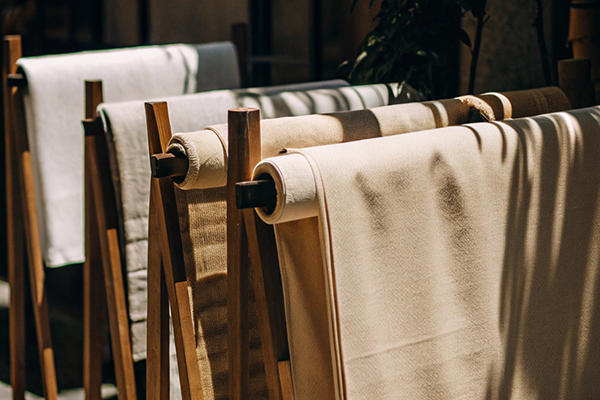
1. Hemp
- Why It’s Sustainable:
- Requires little water and no pesticides.
- Absorbs CO2 while growing, helping combat climate change.
- High yield per acre, making it resource-efficient.
- Uses: Commonly found in T-shirts, jeans, and outerwear.
- Brands Using Hemp: Jungmaven, Patagonia.
2. Organic Cotton
- Why It’s Sustainable:
- Grown without harmful chemicals or synthetic pesticides.
- Uses 91% less water than conventional cotton.
- Challenges: Requires careful management to ensure soil health and avoid over-farming.
- Brands Using Organic Cotton: Pact, Thought Clothing.
3. Recycled Polyester
- Why It’s Sustainable:
- Made from post-consumer waste, such as plastic bottles, reducing landfill impact.
- Requires less energy to produce compared to virgin polyester.
- Challenges: Still a synthetic material, so it sheds microplastics during washing.
- Brands Using Recycled Polyester: Girlfriend Collective, Everlane.
| Fabric | Why It’s Eco-Friendly | Challenges |
|---|---|---|
| Hemp | Grows with minimal water and no chemicals | Limited global production |
| Organic Cotton | No pesticides, lower water use | Requires proper soil management |
| Recycled Polyester | Reduces waste, reuses materials | Microplastic pollution during washing |
These fabrics lead the way in sustainability, making them excellent choices for reducing environmental harm.
What fabrics are 100% biodegradable?
Biodegradability ensures that fabrics decompose naturally without leaving harmful residues in the environment.
Natural fabrics like hemp, organic cotton, and wool are 100% biodegradable, breaking down into harmless components when disposed of properly.

1. Hemp
- Decomposes within a few months when exposed to soil and microorganisms.
- Does not release toxic chemicals during decomposition.
2. Organic Cotton
- Fully biodegradable as long as it’s untreated (e.g., no synthetic dyes or finishes).
- Ideal for composting when no harmful additives are used.
3. Wool
- Naturally biodegradable, breaking down into nutrients that enrich the soil.
- Wool is also renewable, as it comes from sheep that regrow their fleece annually.
4. Tencel (Lyocell)
- Made from sustainably sourced wood pulp, such as eucalyptus.
- Biodegrades faster than synthetic materials3, even in home composting conditions.
How to Ensure Biodegradability
- Avoid fabrics treated with synthetic dyes or coatings that hinder decomposition.
- Look for certifications like GOTS (Global Organic Textile Standard)4 or OEKO-TEX to ensure eco-friendly production.
| Fabric | Decomposition Time | Eco-Friendly Features |
|---|---|---|
| Hemp | A few months | Natural, chemical-free fibers |
| Organic Cotton | 5–6 months | No toxic residues |
| Wool | 1–5 years (depending on conditions) | Enriches soil as it decomposes |
| Tencel | Few months to 1 year | From renewable resources |
Choosing biodegradable fabrics ensures that your clothing won’t contribute to long-term environmental waste.
What is the healthiest fabric for your skin?
The fabric you wear impacts not only comfort but also your skin’s health.
Natural fabrics like organic cotton5, bamboo, and silk are healthiest for your skin due to their breathability, softness, and lack of harmful chemicals.

1. Organic Cotton
- Why It’s Skin-Friendly:
- Free from pesticides and synthetic chemicals5, making it gentle on sensitive skin.
- Breathable, reducing irritation and sweat-related discomfort.
2. Bamboo
- Why It’s Skin-Friendly:
- Naturally antibacterial, keeping your skin fresh and odor-free.
- Soft and smooth texture, often compared to silk.
3. Silk
- Why It’s Skin-Friendly:
- Hypoallergenic and gentle on even the most sensitive skin.
- Regulates temperature, keeping you cool in summer and warm in winter.
4. Linen
- Why It’s Skin-Friendly:
- Made from flax fibers, it’s lightweight and highly breathable.
- Absorbs moisture without clinging to the skin, reducing the risk of irritation.
Fabrics to Avoid for Sensitive Skin
- Synthetic Fabrics: Polyester and nylon can trap heat and moisture, causing irritation.
- Chemically Treated Fabrics: Conventional cotton treated with pesticides or harsh dyes may irritate the skin.
| Fabric | Skin Benefits |
|---|---|
| Organic Cotton | Soft, chemical-free, breathable |
| Bamboo | Antibacterial, smooth, hypoallergenic |
| Silk | Hypoallergenic, temperature-regulating |
| Linen | Lightweight, moisture-wicking |
Opting for skin-friendly fabrics not only enhances comfort but also supports healthier living.
Conclusion
The most sustainable clothing materials strike a balance between environmental impact, biodegradability, and skin health. Hemp, organic cotton, and recycled polyester are among the least harmful to the planet, while natural fabrics like wool and Tencel break down easily without leaving waste. For those prioritizing skin health, organic cotton, bamboo, and silk provide unmatched comfort and safety. By choosing sustainable fabrics, we can make a positive impact on the environment and promote a healthier lifestyle.