Skip to content
Choosing the right sweatshirt size is essential for both comfort and style. But which size is the most popular among consumers?
In the United States, the most commonly purchased sweatshirt sizes are Large (L) and Medium (M), with Large accounting for approximately 30% of sales and Medium close behind at 28%.
Understanding these trends can help both consumers and retailers make informed decisions about sizing and inventory.
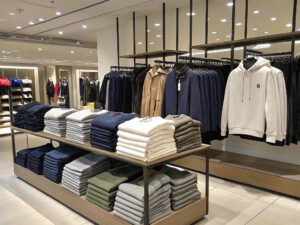
Why are Large and Medium sizes the most popular?
Several factors contribute to the popularity of Large and Medium sweatshirt sizes.
The prevalence of Large and Medium sizes1 is influenced by average body measurements2, fashion preferences, and the versatility these sizes offer.
Average Body Measurements
- General Fit: These sizes often accommodate a broad range of body types, making them accessible to many consumers.
Fashion Preferences
- Comfort and Style: Many individuals prefer a slightly looser fit for comfort, leading them to choose larger sizes.
Versatility
- Layering: Medium and Large sizes are ideal for layering over other clothing, adding to their popularity.

How do sizing preferences vary by demographics?
Sizing preferences can differ based on age, gender, and cultural factors.
Younger demographics may lean towards oversized fits, while older consumers might prefer true-to-size or tailored fits.
Age and Fashion Trends
- Youth Trends: Teenagers and young adults often embrace oversized styles, influencing the demand for larger sizes.
Gender Differences
- Unisex Appeal: Sweatshirts are commonly unisex, but men might gravitate towards larger sizes compared to women.
How should retailers stock sweatshirt sizes?
Retailers must strategically stock sizes to meet consumer demand and minimize excess inventory.
A recommended size distribution ratio3 for bulk orders is 1-2-3-3-1 for Small, Medium, Large, Extra Large, and 2XL sizes, respectively.
Suggested Size Distribution
- Small (S): 10%
- Medium (M): 20%
- Large (L): 30%
- Extra Large (XL): 30%
- 2XL: 10%
This distribution helps cater to the majority of customers while reducing the risk of overstocking less popular sizes.

How can consumers find their perfect sweatshirt size?
Selecting the right size ensures comfort and satisfaction.
Consumers should refer to specific brand size charts and consider their body measurements when choosing a sweatshirt size.
Steps to Determine Your Size
- Measure Your Chest: Wrap a measuring tape around the fullest part of your chest.
- Check Brand Size Charts: Compare your measurements to the brand’s sizing guide.
- Consider Fit Preference: Decide if you prefer a snug or loose fit and choose your size accordingly.
Conclusion
Understanding the popularity of sweatshirt sizes, particularly Medium and Large, can guide both consumers and retailers in making informed choices. By considering factors like body measurements, fashion trends, and strategic stocking, everyone can achieve the perfect fit and meet market demands effectively.
-
Explore insights on why Large and Medium sizes dominate the sweatshirt market, helping you understand consumer preferences better. ↩
-
Discover how average body measurements affect sizing decisions, ensuring you choose the right fit for comfort and style. ↩
-
Learn about effective size distribution strategies for retailers to meet consumer demand and minimize excess inventory. ↩