The pet apparel industry has seen tremendous growth as more pet owners treat their dogs like family. This trend has led to an increasing demand for stylish, functional, and seasonal dog clothing. But how big is the market, and what opportunities does it offer?
The global dog clothing market is expected to surpass $7 billion by 2028, driven by rising pet ownership and the demand for fashionable and functional pet apparel. Premium and customized dog clothes1 have the highest profit potential.
To understand this industry, let’s explore market trends2, consumer behavior3, and business opportunities4 in dog clothing.
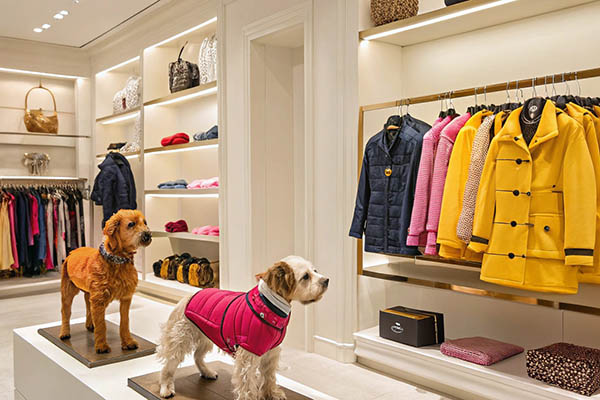
How big is the dog clothing market?
The pet apparel market is expanding globally, with significant growth in North America, Europe, and Asia.
The market for dog clothes is growing at a compound annual growth rate (CAGR) of 5%–7%. North America is the largest market, followed by Europe and emerging Asian countries.
1. Market Size and Growth
- Global market value: Expected to reach $7 billion by 2028.
- CAGR: Growing at 5%–7% annually.
- Regional dominance: North America leads due to high pet spending.
2. Factors Driving Growth
- Pet humanization: More owners treat pets like family.
- Seasonal demand: Winter jackets, raincoats, and festive outfits drive sales.
- Social media influence: Instagram and TikTok trends boost demand.
3. High-Growth Segments
| Segment | Market Demand | Growth Rate |
|---|---|---|
| Everyday Apparel | High | 5% CAGR |
| Winter & Functional Wear | High | 6% CAGR |
| Luxury & Custom Clothing | Moderate | 8% CAGR |
| Matching Owner-Pet Outfits | Rising | 10% CAGR |
What types of dog clothing sell best?
Certain categories of dog apparel have higher demand than others.
Winter coats, rain jackets, and holiday-themed outfits are among the best-selling dog clothes. Functional wear like cooling vests and protective gear is also growing in popularity.
1. Everyday Wear
Includes t-shirts, sweaters, and pajamas for casual wear.
- Best sellers: Cotton t-shirts, lightweight sweaters
- Target audience: Small dog owners, urban pet parents

2. Winter and Outdoor Wear
Includes insulated jackets, raincoats, and boots.
- Best sellers: Waterproof jackets, fleece-lined coats
- Target audience: Owners in colder climates
3. Luxury and Custom Apparel
High-end pet fashion includes designer clothing, custom embroidery, and handmade outfits.
- Best sellers: Personalized sweaters, branded outfits
- Target audience: Affluent pet owners, fashion-conscious buyers
4. Holiday and Themed Costumes
Seasonal sales peak during Halloween, Christmas, and pet birthdays.
- Best sellers: Santa costumes, superhero outfits
- Target audience: Social media-savvy pet owners
Who are the main consumers of dog clothes?
Understanding consumer behavior is key to targeting the right audience.
The primary consumers of dog clothes are urban pet owners, young professionals, and families who treat their pets like children. Small breed dog owners are the biggest spenders on pet fashion.
1. Demographics of Dog Clothes Buyers
| Consumer Type | Spending Behavior | Preferred Products |
|---|---|---|
| Millennials & Gen Z | High | Trendy, Instagram-worthy outfits |
| Small Dog Owners | Very High | Everyday wear, luxury fashion |
| Large Dog Owners | Moderate | Functional outdoor gear |
| Pet Influencers | High | Custom and themed outfits |

2. Key Buying Factors
- Style & Trends: Buyers want fashionable and unique outfits.
- Comfort & Fit: Clothes should be easy to wear and comfortable.
- Weather Protection: Seasonal needs drive purchases.
3. The Rise of Pet Influencers
Many pet owners dress their dogs for social media exposure. Pet influencers5 drive trends and boost sales.
Where do people buy dog clothes?
Consumers shop for dog apparel through various channels, including online stores, pet boutiques, and marketplaces.
E-commerce dominates the dog clothing industry, with platforms like Amazon, Etsy, and Chewy leading the market. Pet boutiques also serve premium buyers looking for unique designs.
1. Online Marketplaces
| Platform | Best For | Market Share |
|---|---|---|
| Amazon | Mass-market apparel | 40% |
| Etsy | Custom and handmade items | 20% |
| Chewy | Functional and seasonal wear | 15% |
2. Specialty Pet Boutiques
- Target audience: Luxury buyers looking for exclusive designs.
- Popular locations: Urban areas, shopping malls.
3. Direct-to-Consumer (DTC) Brands
Many dog fashion brands sell directly through Shopify or their websites, increasing profit margins.
How profitable is the dog clothing business?
Dog apparel offers high profit margins, especially in niche and premium segments.
Profit margins range from 30% to 60%, depending on production costs, branding, and distribution. Luxury and custom clothing yield the highest profits.
1. Cost vs. Pricing
| Expense Category | Estimated Cost | Selling Price |
|---|---|---|
| Basic Cotton T-Shirt | $5 – $8 | $20 – $30 |
| Winter Jacket | $10 – $15 | $40 – $60 |
| Custom Outfit | $15 – $25 | $50 – $100 |
2. Business Models
- Dropshipping: Low risk, but lower profit margins.
- Wholesale to Pet Stores: Steady sales, but requires bulk production.
- DTC (Direct-to-Consumer): Higher profits but requires strong marketing.
What are the challenges in the dog clothing market?
Despite its profitability, the pet apparel industry has challenges.
Competition, seasonal demand fluctuations, and production costs are major challenges in the dog clothing market. Successful brands focus on quality, unique designs, and effective marketing.
1. Market Saturation
- Solution: Find niche markets like eco-friendly, custom, or themed clothing.
2. Seasonal Sales Trends
- Solution: Balance inventory with year-round essentials and accessories.
3. Production and Sizing Issues
- Solution: Offer flexible sizing charts and stretchable fabrics.
What are the future trends in dog clothing?
The industry continues to evolve with new innovations and consumer demands.
Sustainable fashion, smart pet clothing, and high-end luxury brands will shape the future of the dog apparel market.
1. Eco-Friendly Fabrics
Growing demand for organic cotton, bamboo, and recycled materials.
2. Smart Pet Clothing
Integration of temperature control, GPS tracking, and health monitoring.
3. Customization and Personalization
More brands will offer made-to-order outfits with pet names and unique prints.
Conclusion
The dog clothing market is growing rapidly, driven by increasing pet ownership, fashion trends, and seasonal demand. With high profit margins and various niche opportunities, businesses can succeed by focusing on quality, branding, and unique product offerings. According to pet humanization trend research, treating pets like family continues to expand the market’s scope.
-
Reveals essential steps for launching a profitable dog apparel line. ↩
-
Offers up-to-date dog apparel industry figures and forecasts. ↩
-
Explains how family-style care drives fashionable dog apparel demand. ↩
-
Explains the most popular online and offline retail platforms for dog apparel. ↩
-
Uncovers tactics for using pet influencers to boost brand exposure. ↩