Skip to content
The terms "sportswear" and "activewear" are often used interchangeably, but they are not entirely the same. Both categories encompass clothing designed for physical activities, but their purpose, design, and use cases differ significantly. Understanding these distinctions can help consumers and brands make informed choices.
Sportswear refers to clothing specifically designed for athletic activities or sports, focusing on performance and functionality. Activewear, on the other hand, is a versatile category that blends fitness and fashion, suitable for both physical activities and casual wear.
In this article, we’ll explore the key differences between sportswear and activewear, their defining characteristics, and which one is right for you.
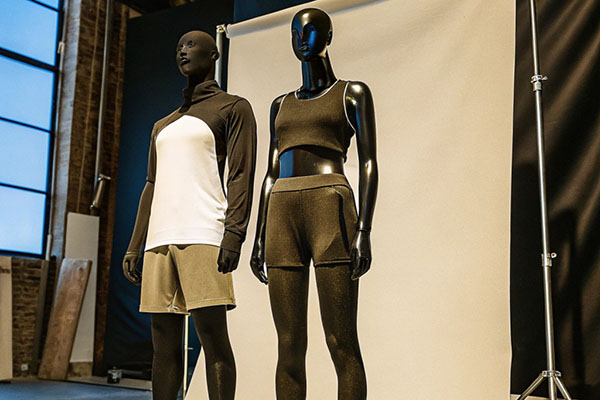
Are Activewear and Sportswear the Same Apparel Category?
While activewear and sportswear share similarities, they serve different purposes and cater to distinct audiences.
1. Purpose and Functionality
Sportswear:
- Designed for performance: Sportswear is engineered to optimize athletic performance, providing support, flexibility, and durability for specific sports.
- Activity-specific: Includes items like soccer jerseys, basketball shorts, and tennis skirts tailored for particular sports.
Activewear:
- Versatile usage: Activewear is designed for a mix of activities, such as light exercise, yoga, or casual outings.
- Fashion meets function: Focuses on comfort and style, making it wearable outside the gym.
2. Design and Aesthetic
Sportswear:
- Prioritizes function over fashion, with features like moisture-wicking fabrics, compression fits, and breathability.
- Often includes bold, team-centric designs or sponsor logos.
Activewear:
- Balances style and functionality, featuring trendy cuts, patterns, and colors.
- Incorporates elements like high-waisted leggings, crop tops, and chic hoodies for a modern look.
3. Target Audience
Sportswear:
- Primarily targets athletes and sports enthusiasts.
- Designed for high-performance activities requiring specialized gear.
Activewear:
- Appeals to a broader audience, including fitness enthusiasts and casual consumers.
- Ideal for those looking for stylish, comfortable clothing for workouts and daily wear.
Key Characteristics of Sportswear
Sportswear is specifically tailored to enhance performance and meet the demands of intense physical activities.

1. Activity-Specific Features
Sportswear includes garments designed for particular sports:
- Soccer jerseys and shorts: Lightweight and breathable.
- Cycling gear: Aerodynamic and moisture-wicking.
- Basketball jerseys: Loose-fitting for ease of movement.
2. Technical Fabrics
- Moisture-wicking: Keeps athletes dry during intense activities.
- Compression materials: Enhance blood circulation and reduce muscle fatigue.
- Weather-resistant fabrics: Protect athletes from rain or wind during outdoor sports.
3. Performance-Driven Design
- Reinforced seams and durable construction withstand rigorous use.
- Specialized fits cater to the movements and needs of each sport.
Key Characteristics of Activewear
Activewear is designed to be multifunctional, combining comfort and aesthetics for everyday wear.
1. Fashion-Forward Designs
- Incorporates trendy styles like cropped tops, joggers, and color-blocked leggings.
- Emphasizes versatility, making it suitable for gyms, errands, or casual gatherings.
2. Comfortable Fabrics
- Stretchy materials: Spandex and elastane ensure flexibility for light workouts.
- Soft blends: Fabrics like bamboo or cotton-polyester provide comfort for leisure activities.
3. Athleisure Trend
Activewear’s popularity is fueled by the athleisure trend, where fitness-inspired clothing doubles as casual wear. It’s a favorite for people seeking stylish, functional outfits for an active lifestyle.
Comparing Sportswear and Activewear
| Feature | Sportswear | Activewear |
|---|---|---|
| Purpose | Performance-driven for sports activities. | Versatile for fitness and casual use. |
| Design | Focused on functionality and durability. | Balances style and functionality. |
| Fabric | High-tech fabrics like compression and mesh. | Stretchy, soft fabrics for comfort. |
| Audience | Athletes and sports professionals. | Fitness enthusiasts and casual consumers. |
| Usage | Sports-specific, e.g., soccer or cycling. | General activities, including yoga or errands. |
When to Choose Sportswear vs. Activewear
Selecting between sportswear and activewear depends on your activity and style preferences.

Choose Sportswear If:
- You need specialized clothing for a specific sport (e.g., running, cycling, basketball).
- Performance and functionality are your top priorities.
- You participate in competitive or intense physical activities.
Choose Activewear If:
- You want versatile clothing for light exercise and casual wear.
- Style and comfort are equally important.
- You’re looking for a blend of fitness and fashion for daily activities.
Trends Shaping Sportswear and Activewear
1. Sustainable Materials
Eco-conscious consumers are driving the adoption of sustainable fabrics in both categories, such as recycled polyester and organic cotton.
2. Smart Wearables
Sportswear increasingly integrates technology, such as smart fabrics that track performance metrics.
3. Inclusive Sizing
Brands are expanding their size ranges to make sportswear and activewear more inclusive.
Conclusion
While sportswear and activewear share overlapping qualities, their primary purposes set them apart. Sportswear is tailored for specific athletic activities and focuses on optimizing performance, whereas activewear combines comfort and style for a versatile wardrobe option. By understanding the differences, you can choose the apparel that best suits your lifestyle, whether you’re gearing up for a marathon or heading out for a coffee run in athleisure.