Skip to content
Sewing swimwear requires the right stitches to handle stretchy fabrics and ensure durability. But what is the best stitch for swimwear?
The best stitch for swimwear is the 4-thread overlock stitch1 because it provides strong, stretchy seams that move with the body. Zigzag and triple straight stitches are also great for flexibility and durability.
Using the right stitch prevents seam breakage and ensures a comfortable fit. Let’s explore the best stitches and how to use them effectively for swimwear.
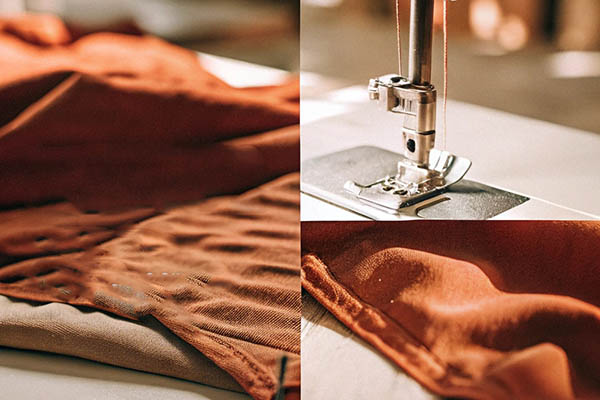
Why is the 4-thread overlock stitch the best for swimwear?
The 4-thread overlock stitch is popular for swimwear because it creates strong, stretchy seams that move with the body.
This stitch uses four threads to sew, trim, and finish edges all at once, preventing fraying and ensuring durability. It’s ideal for stretchy fabrics like spandex and nylon.
A 4-thread overlock stitch maintains elasticity, allowing the fabric to stretch without breaking the thread. It also gives a clean, professional finish similar to store-bought swimwear.
Key Features of the 4-Thread Overlock Stitch
- Strength and Durability: The four threads create a strong seam that withstands movement and water exposure.
- Stretch and Flexibility: The stitch stretches with the fabric, maintaining comfort and fit.
- Clean Finish: Trims the fabric edge while sewing, giving a neat and professional appearance.
- Prevents Fraying: Secures raw edges to prevent fraying, even after repeated washes.
Using a serger is the easiest way to achieve this stitch, but some sewing machines also have overlock options. It’s the most reliable choice for high-quality, long-lasting swimwear.
Can you use a zigzag stitch for swimwear?
Yes, a zigzag stitch is a great alternative for those using a regular sewing machine.
Zigzag stitches are flexible and allow the fabric to stretch without breaking the thread. They’re perfect for joining seams and finishing edges on stretchy swimwear fabrics.
This stitch is versatile and beginner-friendly, making it a popular choice for home sewists. It also works well for topstitching elastic.
How to Use a Zigzag Stitch for Swimwear
To use a zigzag stitch2 effectively, follow these tips:
- Adjust Stitch Width and Length: Set the width to medium (around 3-4 mm) and length to short (around 2 mm) for strong, flexible seams.
- Use a Stretch Needle: Prevents skipped stitches and fabric snags.
- Topstitch Elastic: A narrow zigzag is great for securely topstitching elastic while maintaining stretch.
- Test on Scrap Fabric: Always test on a fabric scrap to find the best settings for your project.
Although not as durable as a 4-thread overlock, the zigzag stitch is a reliable option for those without a serger. It’s flexible and versatile for various swimwear styles.

What is the triple straight stitch and when should you use it?
The triple straight stitch, also known as the triple stretch stitch, is ideal for topstitching and reinforcing seams.
This stitch goes forward, backward, and forward again, creating a strong, stretchy seam that won’t break when stretched.
It’s perfect for areas that need extra durability, like side seams and waistbands. It also works well for decorative topstitching.
When to Use the Triple Straight Stitch
The triple straight stitch is best for:
- Reinforcing Seams: Use on side seams, waistbands, and crotch seams for extra strength.
- Topstitching Elastic: Provides a secure and durable finish for elastic edges.
- Decorative Stitching: Adds a professional look with a bold, visible stitch line.
- High-Stress Areas: Ideal for areas that need to withstand movement and stretching.
This stitch requires a stretch needle and proper tension adjustment. Although slower to sew, it creates a durable, flexible seam that lasts long.
Is the coverstitch hem necessary for swimwear?
A coverstitch hem3 is not mandatory but highly recommended for professional-looking finishes.
A coverstitch machine creates a double-needle hem that stretches with the fabric, preventing broken stitches and wavy hems.
It’s ideal for hemming leg openings, waistbands, and necklines. The coverstitch gives swimwear a polished, store-bought appearance.
Why Use a Coverstitch Hem?
- Stretchy Hem: Stretches with the fabric, maintaining comfort and fit.
- Professional Finish: Creates a clean, double-needle look commonly seen on commercial swimwear.
- No Puckering: The fabric stays flat and smooth, preventing wavy hems.
- Topstitching Elastic: Secures elastic edges without losing stretch.
While a coverstitch machine is an investment, it significantly improves the overall look and durability of swimwear. It’s perfect for those serious about high-quality swimwear sewing.
What about flatlock stitches?
Flatlock stitches are great for swimwear because they create flat, comfortable seams that don’t rub against the skin.
This stitch joins two fabric pieces edge-to-edge with a flat seam that stretches with the fabric, making it ideal for activewear and swimwear.
Flatlock seams are commonly seen in sportswear because of their comfort and durability. They also add a decorative touch to swimwear designs.

How to Use Flatlock Stitches for Swimwear
Flatlock stitches require a serger with flatlock capability. Here’s how to use them:
- Butt the Edges Together: Place the fabric edges together instead of overlapping them.
- Adjust the Tension: Loosen the needle tension and tighten the looper tension for a flat seam.
- Decorative Finish: The ladder stitch side can be used as a decorative feature on the outside of the swimwear.
- Comfortable Seams: Creates flat seams that prevent chafing, ideal for active swimwear.
Flatlock stitches are functional and stylish, adding a sporty, professional look to swimwear. They’re perfect for competitive swimwear and athletic styles.
Which stitches should you avoid for swimwear?
Some stitches are unsuitable for swimwear because they lack the stretch and durability needed for elastic fabrics.
Avoid using straight stitches or tight satin stitches as they don’t stretch and can break when the fabric is pulled.
Using the wrong stitch can cause seam breakage, uncomfortable wear, and poor fit. It’s essential to choose flexible stitches that move with the fabric.
Stitches to Avoid for Swimwear
- Straight Stitch: Doesn’t stretch, causing seam breakage on stretchy swimwear fabrics.
- Tight Satin Stitch: Too tight and rigid, leading to puckering and discomfort.
- Blind Hem Stitch: Not durable enough for active swimwear, especially in water and chlorine.
Using the right stitches ensures the swimwear is comfortable, durable, and long-lasting. Avoiding these stitches prevents sewing issues and poor fit.
Conclusion
The best stitch for swimwear is the 4-thread overlock stitch for strong, stretchy seams. Zigzag and triple straight stitches are great alternatives for those using regular sewing machines. A coverstitch hem provides a professional finish, while flatlock stitches create comfortable, flat seams.
Avoid straight stitches and tight satin stitches as they lack flexibility. Using the right stitches ensures durable, comfortable, and high-quality swimwear that lasts long.
-
Discover the benefits of the 4-thread overlock stitch for swimwear, ensuring durability and flexibility in your sewing projects. ↩
-
Learn how to use a zigzag stitch for swimwear, providing flexibility and comfort while sewing with stretchy fabrics. ↩
-
Explore the advantages of a coverstitch hem for swimwear, ensuring a professional finish and durability in your designs. ↩