Skip to content
Sportswear demands more than just aesthetics—it needs to be durable, breathable, and flexible enough to handle intense physical activities. Choosing the right printing method for sportswear is crucial, as it must withstand frequent washing, stretching, and sweating without fading or cracking.
The best printing methods for sportswear include sublimation printing1, screen printing, and heat transfer, each suited for different types of fabrics and design requirements.
In this article, we’ll explore how sports shirts are printed, the most popular techniques, and their pros and cons to help you choose the best option for your needs.
How are sports shirts printed?
Printing sports shirts involves transferring a design onto a fabric using techniques that ensure durability, vibrant colors, and flexibility.
Sports shirts are typically printed using sublimation, screen printing, or heat transfer, depending on the type of fabric and the intended use of the garment.
1. Sublimation Printing
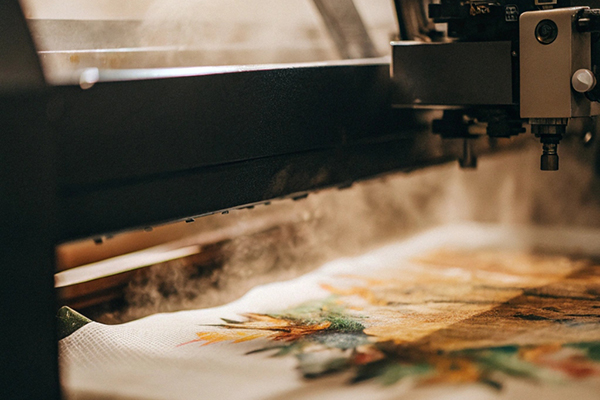
Sublimation is one of the most popular methods for sportswear, especially for polyester fabrics.
How It Works:
- Designs are printed onto a special sublimation paper using sublimation inks.
- The paper is then placed on the fabric and heated using a heat press2, turning the ink into gas that bonds with the fibers.
Why It’s Ideal for Sportswear:
- Perfect for polyester fabrics, which are commonly used in sportswear.
- The design becomes part of the fabric, ensuring it won’t crack, peel, or fade.
Best Use Cases:
- Full-color, all-over designs.
- Team uniforms with detailed graphics or gradients.
2. Screen Printing
Screen printing is a versatile and cost-effective method, especially for bulk orders.
How It Works:
- A stencil (or screen) is created for each color in the design.
- Ink is pushed through the screen onto the fabric, layer by layer.
Why It’s Ideal for Sportswear:
- Produces vibrant and opaque prints, even on dark fabrics.
- Works on a variety of materials, including cotton and polyester blends.
Best Use Cases:
- Team logos, numbers, and text.
- Simple designs with a limited number of colors.
3. Heat Transfer
Heat transfer is a method that uses heat to apply pre-printed designs or vinyl3 onto fabric.
How It Works:
- The design is printed onto heat transfer paper or cut from vinyl.
- It’s applied to the garment using a heat press.
Why It’s Ideal for Sportswear:
- Great for small-batch or personalized orders.
- Works well for creating player names and numbers on jerseys.
Best Use Cases:
- Custom names and numbers.
- Small-scale printing for unique designs.
| Printing Method | Best For | Fabric Compatibility |
|---|---|---|
| Sublimation | All-over designs, vibrant colors | Polyester |
| Screen Printing | Bulk orders, bold and simple designs | Cotton, polyester, blends |
| Heat Transfer | Personalized or small-batch printing | Most fabrics |
Sports shirts are printed using methods tailored to the fabric and design complexity, ensuring long-lasting results for athletes and teams alike.
Why is sublimation printing best for sportswear?
Sublimation printing is often considered the gold standard for sportswear due to its unique ability to integrate designs directly into the fabric.
Sublimation printing is best for sportswear because it delivers vibrant, durable, and lightweight prints that move and stretch with the fabric, making it ideal for activewear.

Key Advantages
-
Durability
- The design becomes part of the fabric rather than sitting on top of it. This ensures it won’t crack, peel, or fade, even after frequent washing.
-
Lightweight Feel
- Sublimation doesn’t add an extra layer of ink or vinyl to the fabric, keeping the garment lightweight and breathable.
-
Vivid Colors
- Produces bright, vibrant colors with excellent detail, making it perfect for sports uniforms that need to stand out.
-
Full Coverage
- Sublimation allows for edge-to-edge printing, making it possible to create intricate, all-over designs.
Limitations
- Fabric Restriction: Sublimation only works on polyester or polyester-coated fabrics, limiting its use on cotton4 or other materials.
- Higher Cost for Small Orders: The setup and equipment can be costly for small batches.
Despite these limitations, sublimation remains the top choice for professional sportswear due to its high-quality and durable results.
Is screen printing good for sportswear?
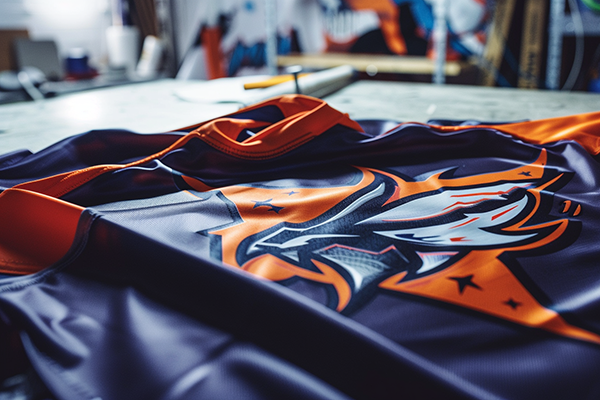
Screen printing is a tried-and-true method for creating bold, durable designs on sportswear.
Screen printing is good for sportswear when vibrant colors, durability, and affordability for bulk orders are required. It’s particularly effective for simple designs like team logos and numbers.
Benefits of Screen Printing
-
Vibrant and Opaque Colors
- Screen printing produces vivid colors that pop, even on dark fabrics.
-
Durability
- The thick layer of ink withstands washing, stretching, and heavy use, making it suitable for athletic wear.
-
Cost-Effective for Large Quantities
- The setup cost is spread across the number of prints, making it affordable for bulk orders like team uniforms.
Challenges
- Limited Detail: Screen printing struggles with highly detailed designs or gradients.
- Time-Consuming Setup: Creating stencils for multiple colors takes time and may not be ideal for small batches.
When to Use Screen Printing
- Best for team logos, numbers, or simple graphics.
- Works well on cotton, polyester, and blended fabrics.
| Feature | Performance |
|---|---|
| Durability | Excellent for heavy use |
| Design Flexibility | Limited for intricate patterns |
| Affordability for Bulk | Cost-effective for large orders |
Screen printing is a reliable choice for sportswear, especially when creating team uniforms or large orders with simple designs.
Is heat transfer printing durable enough for sportswear?
Heat transfer printing is a popular choice for personalized sportswear, but its durability5 depends on the materials and application process.
Heat transfer printing can be durable for sportswear if high-quality vinyl or transfer paper is used and applied correctly. It’s ideal for custom names, numbers, or small-batch designs.

Advantages
-
Personalization
- Perfect for adding individual player names and numbers to jerseys.
-
Versatility
- Works on a wide range of fabrics, including polyester, cotton, and blends.
-
Quick Application
- No need for complex setups, making it ideal for small orders or last-minute additions.
Drawbacks
- Lower Durability: Heat transfer designs may crack or peel over time, especially if not applied properly or used in high-stress areas.
- Less Breathable: The vinyl layer can feel heavier on the fabric compared to sublimation.
Best Use Cases
- Personalized jerseys.
- Small batches or custom orders for unique designs.
| Feature | Performance |
|---|---|
| Durability | Moderate, depends on quality |
| Customization | Excellent for individual designs |
| Affordability for Small Orders | Cost-effective for low quantities |
Heat transfer printing is a practical option for custom sportswear, but it may not match the durability of sublimation or screen printing for large-scale athletic use.
Conclusion
Choosing the best printing method for sportswear depends on the fabric, design complexity, and intended use. Sublimation printing is the top choice for polyester sportswear, offering vibrant, durable, and lightweight results. Screen printing is ideal for bulk orders with bold designs, while heat transfer excels in personalized and small-batch projects. Understanding the strengths and limitations of each method ensures that your sportswear not only looks great but also performs well under active conditions.