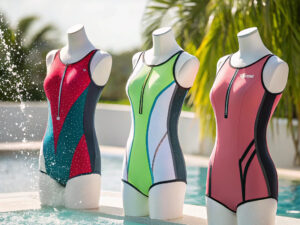
Quick-drying swimwear is a must for comfort and practicality, whether you’re lounging by the pool, participating in water sports, or heading to the beach. The fabric used in swimwear plays a crucial role in its drying speed, durability, and overall performance.
The best fabrics for quick-drying swimwear include polyester, nylon, and spandex blends1. These materials are lightweight, moisture-wicking, and designed to resist water absorption, ensuring you stay dry and comfortable soon after leaving the water.
In this article, we’ll explore the top fabrics for swimwear that dry quickly, their features, and how to choose the right one for your needs.
Why Does Quick-Drying Fabric Matter for Swimwear?
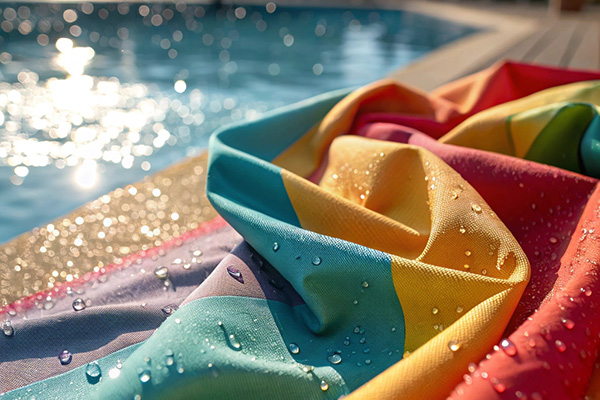
Quick-drying fabrics enhance the swimwear experience by offering the following benefits:
1. Comfort
- Wet swimwear can feel heavy and clingy, causing discomfort. Quick-drying fabrics eliminate this issue.
2. Convenience
- Swimwear that dries quickly allows you to transition seamlessly from water activities to land without prolonged dampness.
3. Hygiene
- Prolonged dampness can lead to bacterial growth and unpleasant odors. Quick-drying fabrics help maintain freshness.
Best Fabrics for Quick-Drying Swimwear
Here’s a closer look at the best materials for swimwear that dries quickly and their unique properties:
1. Polyester
Why It’s Great:
- Quick-Drying: Polyester is highly hydrophobic, meaning it resists water absorption and dries quickly.
- Durable: Resists chlorine, saltwater, and UV rays, making it ideal for frequent use.
- Color Retention: Maintains vibrant colors even after repeated exposure to water and sun.
Best For:
- Competitive swimming, casual beachwear, and poolside lounging.
2. Nylon
Why It’s Great:
- Lightweight: Nylon feels airy and dries relatively quickly, though not as fast as polyester.
- Smooth Texture: Offers a soft and comfortable feel against the skin.
- Stretchy: Provides excellent flexibility for active water sports.
Best For:
- High-performance swimwear and athletic activities.

3. Spandex Blends
Why It’s Great:
- Elasticity: Blends like nylon/spandex or polyester/spandex provide stretch for a snug and supportive fit.
- Quick-Drying: Although spandex alone is not quick-drying, its blend with polyester or nylon enhances drying properties.
Best For:
- Fashion-forward swimwear and athletic suits requiring flexibility.
4. Polypropylene
Why It’s Great:
- Water-Resistant: Polypropylene is almost entirely hydrophobic, repelling water and drying exceptionally fast.
- Lightweight: Stays light even when wet, making it a favorite for water sports.
Drawback:
- Limited availability in mainstream swimwear due to its specialized nature.
Best For:
- Competitive and performance-focused swimwear.
5. Recycled Polyester
Why It’s Great:
- Eco-Friendly: Made from recycled plastic materials2, reducing environmental impact.
- Fast-Drying: Retains the same hydrophobic properties as regular polyester.
Best For:
- Sustainable swimwear collections and eco-conscious buyers.
Comparing the Top Quick-Drying Fabrics
| Fabric | Drying Speed | Durability | Stretch | Best Use |
|---|---|---|---|---|
| Polyester | Very High | High | Moderate | Casual and competitive swimwear |
| Nylon | High | Moderate | High | Athletic and high-performance wear |
| Spandex Blends | Moderate | Moderate | Very High | Fashion-forward and snug fits |
| Polypropylene | Very High | High | Moderate | Specialized swimwear |
| Recycled Polyester | Very High | High | Moderate | Sustainable options |
How to Choose the Right Quick-Drying Fabric for Your Needs
When selecting swimwear, consider the following factors to find the best fabric for your lifestyle:
1. Activity Level
- Casual Swimmers: Opt for polyester or nylon options3 for durability and ease of care.
- Athletic Swimmers: Choose nylon or spandex blends for flexibility and performance.
- Sustainability Advocates: Look for recycled polyester options.
2. Comfort
- Choose fabrics with a soft texture, like nylon or spandex blends, for sensitive skin.
3. Style Preferences
- For bold designs and vibrant colors, polyester is the best option due to its color retention.
4. Budget
- Polyester and its blends are generally more affordable, while specialized materials like polypropylene may cost more.
Caring for Quick-Drying Swimwear
Proper care ensures your swimwear lasts longer while maintaining its quick-drying properties:

1. Rinse After Use
- Always rinse swimwear properly4 with fresh water to remove chlorine, salt, and other residues.
2. Hand Wash
- Use mild detergent and avoid machine washing to prevent fabric damage.
3. Air Dry
- Lay swimwear flat in a shaded area to maintain its shape and elasticity.
Innovations in Quick-Drying Fabrics
The swimwear industry is constantly evolving, introducing new technologies to enhance performance:
1. Hydrophobic Coatings
- Some fabrics are treated with hydrophobic finishes5 to repel water and speed up drying.
2. Eco-Friendly Alternatives
- Brands are increasingly using recycled materials to create sustainable yet high-performing swimwear.
3. Hybrid Fabrics
- Modern swimwear combines quick-drying properties with UV protection and antibacterial features for added functionality.
Popular Brands Known for Quick-Drying Swimwear
Here are a few brands that excel in creating swimwear with fast-drying fabrics:
- Speedo: Renowned for its durable polyester swimwear.
- Arena: Specializes in performance-oriented suits made from quick-drying materials.
- Patagonia: Offers eco-friendly swimwear crafted from recycled polyester.
- Nike Swim: Combines style and functionality with fast-drying spandex blends.
- TYR: Focuses on high-performance swimwear for competitive swimmers.
Conclusion
The best fabric for swimwear that dries quickly is polyester, followed closely by nylon and spandex blends. These materials ensure comfort, durability, and fast drying, making them ideal for all types of swimwear. Whether you’re an athlete or a casual swimmer, understanding the properties of these fabrics will help you choose the perfect swimwear for your needs. With proper care, your quick-drying swimwear will provide long-lasting performance and style.
-
They discover top materials that dry fast post-swimming. ↩
-
They find eco-friendly insights into repurposed plastic materials. ↩
-
They clarify which synthetic fiber best suits personal needs. ↩
-
They learn essential maintenance steps for longer garment life. ↩
-
They see how specialized treatments repel water effectively. ↩