Skip to content
High-performance sportswear plays a critical role in enhancing athletic performance, comfort, and durability. Whether you’re running marathons, lifting weights, or doing yoga, the fabric used in your sportswear can make a significant difference.
The best fabrics for high-performance sportswear include polyester, nylon, and blends with spandex, as these materials provide moisture-wicking1, stretch, and durability. Additionally, sustainable options like recycled polyester2 and bamboo are gaining popularity.
This article delves into the ideal fabrics for sportswear, evaluates sweat-wicking technologies, and explores the future of athletic fabrics.
Do Fabrics That Promise to ‘Wick Away’ Sweat Actually Work?
The term "moisture-wicking" has become a buzzword in sportswear marketing, but how effective are these fabrics in practice?
Yes, fabrics that claim to wick away sweat do work, provided they are made from materials like polyester or nylon, which are engineered to pull moisture away from the skin and facilitate quick drying.
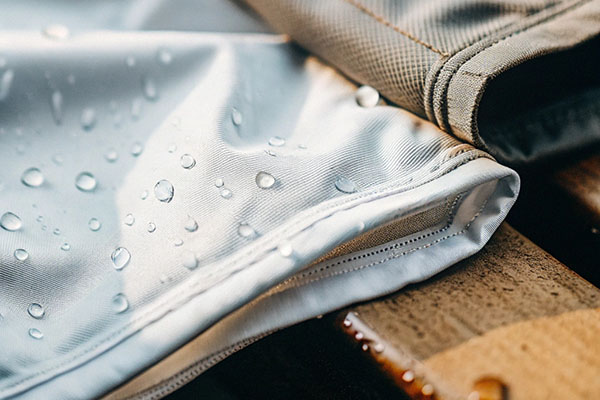
How Moisture-Wicking Works
-
Sweat Absorption
- The fabric pulls sweat from the skin’s surface into its outer layers.
-
Evaporation
- The moisture spreads across the fabric’s surface, where it evaporates quickly.
-
Temperature Regulation
- This process keeps the skin dry and helps regulate body temperature during workouts.
| Step | Description |
|---|---|
| Sweat Absorption | Pulls moisture away from the skin |
| Moisture Spreading | Distributes sweat evenly across the fabric |
| Quick Evaporation | Enhances drying and cooling |
Key Fabrics for Sweat-Wicking
-
Polyester
- Known for its lightweight and hydrophobic properties, polyester is the gold standard in moisture-wicking.
- Used in most performance sportswear for its durability and quick-drying nature.
-
Nylon
- Slightly softer than polyester, nylon offers similar moisture-wicking capabilities while providing a smooth feel.
-
Merino Wool
- A natural alternative that wicks moisture effectively and provides excellent insulation for colder climates.
-
Blends with Spandex
- Adding spandex improves stretch and comfort while maintaining moisture-wicking performance.
How Effective Are They?
Moisture-wicking fabrics work well for activities that generate a lot of sweat, such as running or cycling. However, their effectiveness may diminish if the garment becomes oversaturated during prolonged or extremely intense workouts.

The Best Fabrics for High-Performance Sportswear
Choosing the right fabric depends on the activity, climate, and personal preferences. Here’s a breakdown of the most popular materials:
1. Polyester
Why It’s Ideal
- Polyester is lightweight, durable, and resists shrinking or stretching.
- It wicks moisture efficiently, keeping you dry and comfortable during intense workouts.
Best For
- Running, cycling, and high-intensity training.
2. Nylon
Why It’s Ideal
- Nylon is soft, smooth, and offers excellent stretch and abrasion resistance.
- It is slightly more breathable than polyester, making it a good choice for comfort-focused sportswear.
Best For
- Yoga, pilates, and activities requiring flexibility.
3. Spandex (Lycra or Elastane)
Why It’s Ideal
- Spandex provides unmatched elasticity, ensuring garments move with the body without losing shape.
- It is usually blended with other fabrics like polyester or nylon for enhanced performance.
Best For
- Compression wear, leggings, and fitted athletic apparel.
4. Bamboo and Tencel
Why They’re Ideal
- Bamboo and Tencel are natural fabrics known for their softness, breathability, and sustainability.
- They are great for light activities or leisurewear, though they may lack the durability of synthetic options.
Best For
- Low-intensity activities and eco-conscious consumers.
| Fabric | Best For | Key Benefits |
|---|---|---|
| Polyester | High-intensity workouts | Lightweight, durable, quick-drying |
| Nylon | Flexible exercises | Soft, breathable, abrasion-resistant |
| Spandex | Compression wear, leggings | Elastic, retains shape |
| Bamboo/Tencel | Light activities, leisure | Sustainable, soft, breathable |
Innovations in Sportswear Fabrics
Advancements in fabric technology are shaping the future of sportswear, focusing on improved performance, sustainability, and comfort.
1. Recycled Materials
-
Recycled Polyester
- Made from post-consumer plastic bottles, recycled polyester offers the same benefits as virgin polyester while reducing environmental impact.
-
Ocean Plastic Fabrics
- Brands like Adidas use reclaimed ocean plastics to create high-performance activewear.

2. Smart Fabrics
- Temperature-Regulating Fabrics
- These materials adjust to body temperature, keeping athletes cool or warm depending on the environment.
- Embedded Sensors
- Smart garments monitor heart rate, muscle activity, and hydration levels in real-time.
3. Anti-Odor Technology
- Antibacterial Treatments
- Fabrics treated with silver ions or other agents prevent odor-causing bacteria from thriving.
- Natural Odor Resistance
- Materials like merino wool naturally resist odors, making them ideal for multi-day use.
4. Compression Technology
- Benefits
- Compression fabrics3 improve blood flow, reduce muscle fatigue, and enhance recovery.
- Applications
- Commonly used in leggings, sleeves, and other performance gear.
| Innovation | Description |
|---|---|
| Recycled Materials | Sustainable alternatives to traditional fabrics |
| Smart Fabrics | Enhance performance and monitor biometrics |
| Anti-Odor Technology | Keeps garments fresh for longer |
| Compression Technology | Supports muscles and reduces fatigue |
Sustainable Choices in High-Performance Sportswear
As consumers become more environmentally conscious, sustainable options are gaining traction in the sportswear industry.
1. Benefits of Sustainable Fabrics
- Reduce waste by using recycled materials.
- Lower environmental impact through eco-friendly production processes.
- Appeal to consumers seeking ethical fashion choices.
2. Popular Eco-Friendly Fabrics
- Recycled Polyester
- Reduces plastic waste while retaining the benefits of traditional polyester.
- Organic Cotton
- Grown without harmful pesticides, making it safer for the environment.
- Hemp
- Durable, biodegradable, and requires minimal water to produce.
3. Brands Leading the Way
- Adidas: Uses recycled materials in its Parley collection.
- Patagonia: Pioneers in sustainable outdoor and sportswear.
- Girlfriend Collective: Focuses on eco-friendly leggings and activewear.
| Eco-Friendly Fabric | Environmental Benefit |
|---|---|
| Recycled Polyester | Reduces plastic waste |
| Organic Cotton | Lowers pesticide use and water consumption |
| Hemp | Biodegradable and durable |
Conclusion
The best fabric for high-performance sportswear depends on the activity and personal preferences. Synthetic fabrics like polyester and nylon dominate for their moisture-wicking and durable properties, while spandex adds the necessary stretch for a comfortable fit. Eco-friendly materials such as recycled polyester and bamboo are increasingly popular for their environmental benefits.
Moisture-wicking fabrics do deliver on their promise, keeping athletes dry and comfortable, especially during intense workouts. With continued advancements in fabric technology, the future of sportswear promises even greater performance, sustainability, and innovation.
Whether you’re hitting the gym, running outdoors, or practicing yoga, the right fabric can enhance your experience and keep you at the top of your game.