Skip to content
Selecting the right clothing manufacturer1 can make or break your fashion brand. With thousands of options worldwide, the search can be overwhelming—should you go for the lowest price, the highest quality, or a specialist in your niche? Making the right choice means looking beyond the surface to find a partner who matches your vision, needs, and growth strategy.
The “best” clothing manufacturer is the one that aligns with your priorities—whether that’s quality, pricing, minimum order quantity (MOQ)2, communication, certifications, or special expertise. Brands should compare options by region, ask tough questions, and always start with clear test orders and communication.
As someone who’s managed production for brands big and small, I know the value of a reliable manufacturing partner—and the risks of choosing wrong. Here’s how to approach the search and make a decision you won’t regret.
What Makes a Clothing Manufacturer the “Best” for Your Business?
No single manufacturer is “best” for every brand. Your ideal partner depends on your specific business needs.
The best manufacturer for your brand delivers consistent quality, meets your target price and MOQ, communicates clearly, honors timelines, and can scale with your business. Experience, certifications, and reliable processes are just as important as price.
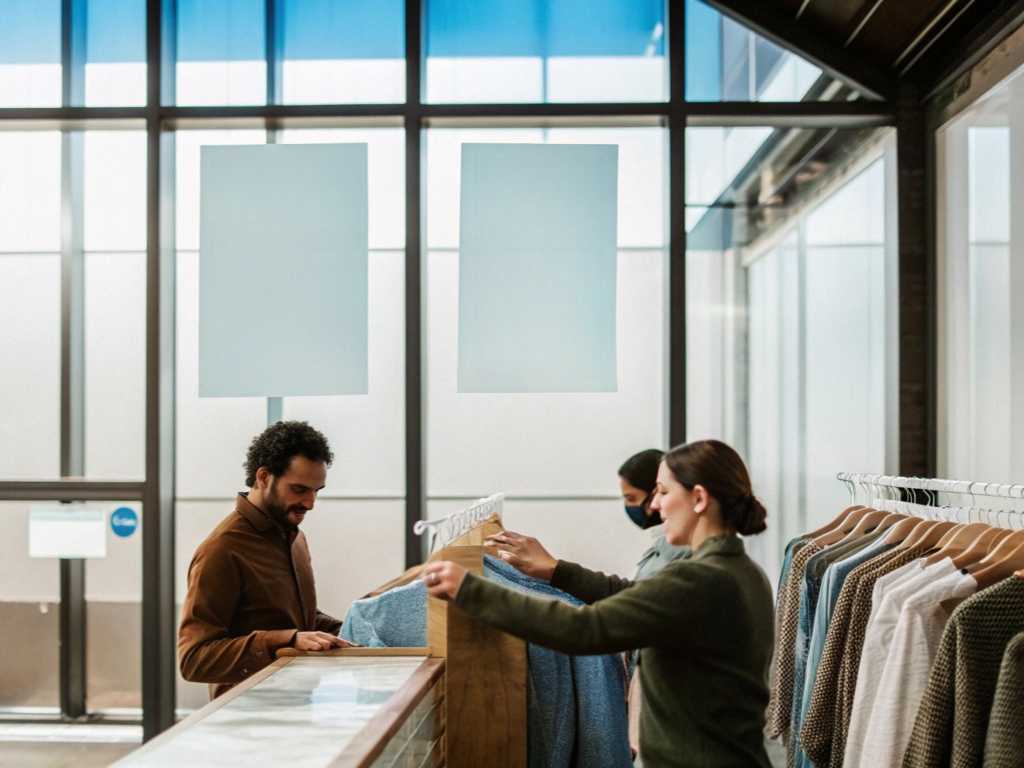 Boutique Shopping Experience
Should you prioritize quality, MOQ, turnaround time, or price?
It depends on your business model and stage. Startups may value low MOQs and flexibility, while established brands need quality and reliability at scale.
- For premium brands, prioritize craftsmanship and fabric sourcing.
- For fast fashion or seasonal drops, speed and MOQ might matter most.
- Don’t sacrifice quality for price—returns, defects, and delays cost more long-term.
How does communication, certifications, and experience affect manufacturer reliability?
Strong communication and experienced staff prevent misunderstandings and mistakes. Certifications (like ISO, GOTS, OEKO-TEX, BSCI) prove a factory meets international standards.
- Language barriers, time zones, and responsiveness can impact timelines.
- Experienced manufacturers solve problems proactively.
- Certifications help you market “eco-friendly” or “ethically made” products.
Top Apparel Clothing Manufacturers by Region and Business Type
Where you manufacture—and what your focus is—will impact your options and costs.
China, Turkey, Bangladesh, and the USA are leading regions, each with specialties. Some factories excel at private label, small-batch, or sustainable production. Research is key.

Who are the most trusted clothing manufacturers in China, Turkey, Bangladesh, and the USA?
- China: Huge range—Modaknits, Jinfeng Apparel, Shenzhou International, and more. Known for scale, speed, and innovation.
- Turkey: Sanko, Yesim Tekstil. Strong in knits, denim, and quality with EU-friendly logistics.
- Bangladesh: DBL Group, Beximco. Major for basics, value, and massive order volumes.
- USA: Bella+Canvas, American Apparel. Great for “Made in USA,” fast turnarounds, and small runs.
| Region | Strengths | Challenges |
|---|---|---|
| China | Price, scale, fabric options | Communication, IP protection |
| Turkey | EU access, knits, denim | Higher costs than Asia |
| Bangladesh | Value, basics, volume | Lead times, less flexibility |
| USA | Quality, small runs, speed | High cost, limited fabric range |
Which manufacturers specialize in private label, small-batch, or sustainable fashion3?
-
Private Label: Suuchi (USA), Bryden (Asia), Billoomi (India)
-
Small Batch: Lefty Production Co. (USA), Mladys (EU), Sewport (platform for global options)
-
Sustainable: Pure Waste (Finland), Reformation (USA), Saitex (Vietnam)
-
Ask for case studies or references in your specific niche.
-
Sustainable factories should provide certifications and supply chain transparency.
How to Evaluate and Compare Apparel Clothing Manufacturers
Choosing a factory is about asking the right questions, doing your homework, and testing before you commit.
Always request samples, review contracts, and if possible, audit the factory or use a third-party inspector. Be clear on terms, timelines, and who is responsible for each step.
What questions should you ask before signing a production contract?
-
What are your MOQs and lead times?
-
What certifications do you hold?
-
Can you provide samples and a price list?
-
What is your defect/return policy?
-
How do you handle delays or quality issues?
-
Ask about payment terms and shipping arrangements.
-
Request to speak with other clients or see portfolio examples.
Is sampling, factory audit, or third-party inspection necessary?
Absolutely—especially for first orders or complex designs.
- Sampling ensures you get the fit, color, and quality you expect.
- Factory audits can be done in-person or by trusted inspection companies.
- Third-party inspection on finished goods prevents costly errors before shipping.
| Evaluation Step | Why It Matters |
|---|---|
| Sample Order | Confirms quality, fit |
| Factory Audit | Checks real capabilities |
| 3rd-Party Inspection | Catches defects pre-shipment |
Tips to Build Long-Term Success with the Right Manufacturer
A great factory relationship is built on trust, clear systems, and ongoing feedback.
Start with small test orders, set clear Standard Operating Procedures (SOPs), and use Non-Disclosure Agreements (NDAs) to protect your designs and IP. Maintain communication and share feedback to improve future runs.
Should you start with test orders, clear SOPs, and NDAs to protect your brand?
Yes. Test orders let you troubleshoot before committing large budgets. SOPs clarify steps and quality standards, and NDAs protect your proprietary info.
- Document every process, from tech packs to labeling, to avoid ambiguity.
- Use NDAs when sharing patterns, designs, or brand assets.
How does ongoing communication and quality feedback improve long-term production outcomes?
Regular updates and transparent feedback help factories catch issues early and refine production processes for your needs.
- Build a partnership—not just a transactional relationship.
- Review each order, celebrate successes, and address any problems openly.
| Long-Term Strategy | How It Helps |
|---|---|
| Test orders | Risk reduction, learning curve |
| SOPs & documentation | Prevents miscommunication |
| Feedback loop | Quality and process improvement |
Conclusion
The best clothing manufacturer is one that matches your brand’s needs, delivers consistent quality, and grows with your business. Focus on clear communication, test orders, and reliable processes to build a successful long-term partnership. With the right approach, your manufacturing partner will become a true asset to your brand’s future.
-
Explore this link to discover leading clothing manufacturers that can elevate your fashion brand’s production quality and efficiency. ↩
-
Understanding MOQ is crucial for managing production costs and inventory effectively. This resource will clarify its impact on your business. ↩
-
Dive into sustainable fashion practices to ensure your brand is eco-friendly and ethically responsible, which is increasingly important to consumers. ↩