Skip to content
Streetwear isn’t just a look—it’s a language. And the T-shirt? It’s the loudest voice in the room. But how do you design one that actually speaks?
Streetwear T-shirt designing1 is the process of blending bold visuals, culture-driven messages, and statement graphics into wearable art. It’s more than fashion—it’s attitude printed on cotton.
I remember designing my first tee using just PowerPoint and clip art. It was a mess. But it taught me that design is about message, not perfection. Here’s what I wish I knew back then.
What Defines a Streetwear T-Shirt Design?
Streetwear tees aren’t just about logos—they’re loaded with meaning.
A streetwear T-shirt stands out through cultural relevance, strong graphic identity, and a sense of rebellion or individuality. It’s casual wear with an edge.
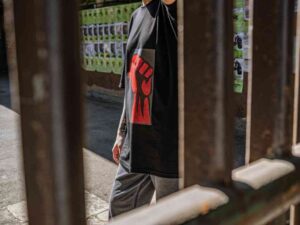
What makes a t-shirt “streetwear” versus regular fashion?
Streetwear tees usually:
- Reflect urban or youth culture
- Feature bold designs or controversial slogans
- Use oversized fits and high-quality cotton
- Drop in limited quantities, creating hype
A regular tee blends in. A streetwear tee makes people look twice.
How do culture, graphics, and typography influence streetwear tees?
Think of these shirts as posters for your chest.
- Culture – Music, skateboarding, anime, politics—it all plays a role.
- Graphics – Bold outlines, vintage filters, glitch effects, and collage-style artwork.
- Typography – Gothic fonts, stretched lettering, handwritten tags, or even complete illegibility.
Each choice adds layers of meaning. Great tees feel like visual mixtapes.
Key Elements of a Successful Streetwear T-Shirt
Design trends move fast—but good structure always wins.
The most successful streetwear tees in 2024 mix powerful visuals, fresh typography, strategic placement, and a clear cultural message. Simplicity with impact wins over clutter.
What types of visuals, slogans, and symbols are trending?
Visuals
- AI-generated textures
- Manga-inspired illustrations
- 3D glitch or infrared effects
Slogans
- Short, punchy, and ironic
- Text that looks cryptic but feels important
- Political or personal statements (in minimalist fonts)
Symbols
- Angels, devils, hands, barbed wire, flames
- Y2K throwbacks: pixel hearts, loading bars
- Skater and graffiti elements
How do placement and sizing affect the look and feel?
| Placement | Effect |
|---|---|
| Center Chest | Safe and classic |
| Oversized Back | Statement-making, works with logos |
| Off-Center | Artistic, gives a designer vibe |
| Sleeve or Hem | Subtle branding |
The sizing of graphics also matters. Oversized logos scream. Small logos whisper.
How to Start Designing Your Own Streetwear T-Shirts
You don’t need a fashion degree—you just need vision and the right tools.
Start designing streetwear tees by choosing simple design software like Canva or advanced tools like Adobe Illustrator. Even AI tools like Midjourney can help create bold graphics from scratch.

Which tools and software are best for streetwear design?
Here’s what I recommend by level:
| Skill Level | Tools |
|---|---|
| Beginner | Canva, Kittl, Placeit |
| Intermediate | Adobe Illustrator, Procreate |
| Advanced | Photoshop + AI tools like Midjourney |
AI tools can help create base concepts fast. Use prompts like “grunge cyberpunk logo for streetwear tee” to explore.
Do you need to know how to draw to create a t-shirt design?
No—but it helps.
With templates, mockups, and AI tools, anyone can create. Drawing is useful for originality, but not essential.
Many designers remix public domain art, collage, or even type-based graphics to build their brand.
Best Printing Methods for Streetwear-Style Tees
Your design is only as good as how it prints.
The best printing methods for streetwear2 include screen printing for bold colors, DTG for detailed artwork, and DTF or heat transfers for small-batch drops. Each has its place depending on the design and vibe.
What’s the difference between screen printing, DTG, and heat transfer?
| Method | Best For | Pros | Cons |
|---|---|---|---|
| Screen Printing | Bold logos, bulk orders | Durable, vibrant colors | Not ideal for photo prints |
| DTG (Direct-to-Garment) | Detailed images, gradients | Great for small runs | Not as durable as screen |
| Heat Transfer | One-offs, custom logos | Fast, flexible | Can peel with time |
Which method gives the most authentic streetwear look?
Screen printing wins for authenticity. That’s what most heritage streetwear brands use for big logo prints and long-lasting wear.
DTG is best if you’re testing new designs or doing complex artwork in small batches.
Where to Get Inspiration for Streetwear T-Shirt Designs?
Inspiration is everywhere—you just need to look with the right lens.
Streetwear design inspiration comes from subcultures like hip-hop, skateboarding, anime, and global art movements. Online platforms like Pinterest, Behance, and Instagram offer daily design fuel.
How can music, skate culture, and anime influence your designs?
Each subculture has its own visuals:
- Music – Rap lyrics as slogans, concert poster aesthetics, bootleg merch styles
- Skate culture – Gritty textures, hand-drawn fonts, anti-corporate vibes
- Anime – Emotional scenes, glitch edits, manga panels as backgrounds
Mix and match to find your own lane.
Are Pinterest, Behance, and Instagram useful for finding streetwear concepts?
Yes—and here’s how to use them right:
- Pinterest – Search terms like “streetwear graphic design” or “vintage tee layout”
- Behance – Explore case studies from real designers
- Instagram – Follow niche accounts (@streetweargraphicz, @vintagedesigntshirts)
Create mood boards. Save what catches your eye. Then remix it into something new.
Conclusion
Streetwear T-shirt design is where creativity meets culture. It’s not about fancy tools—it’s about bold ideas, clear messages, and great execution. Whether you’re just starting or building your own brand, your tee can be the next streetwear icon.