Skip to content
When I first stepped into a busy apparel factory, I saw rolls of fabric stacked to the ceiling, sewing lines humming, and finishing tables piled with garments waiting for inspection. In that moment, I understood something important—manufacturing apparel1 isn’t just making clothes. It’s a carefully choreographed sequence of design, engineering, logistics, and craftsmanship.
Manufacturing apparel means producing garments at scale, from the first design sketch to the delivery of finished pieces. It involves sourcing materials2, creating patterns, cutting and sewing fabric, applying trims, and maintaining quality at every stage to meet brand specifications.
Over the years at Modaknits, I’ve learned that the brands who understand the manufacturing process make smarter decisions on cost, quality, and timelines—and that knowledge often translates directly into profit.
Defining Apparel Manufacturing in the Fashion Industry?
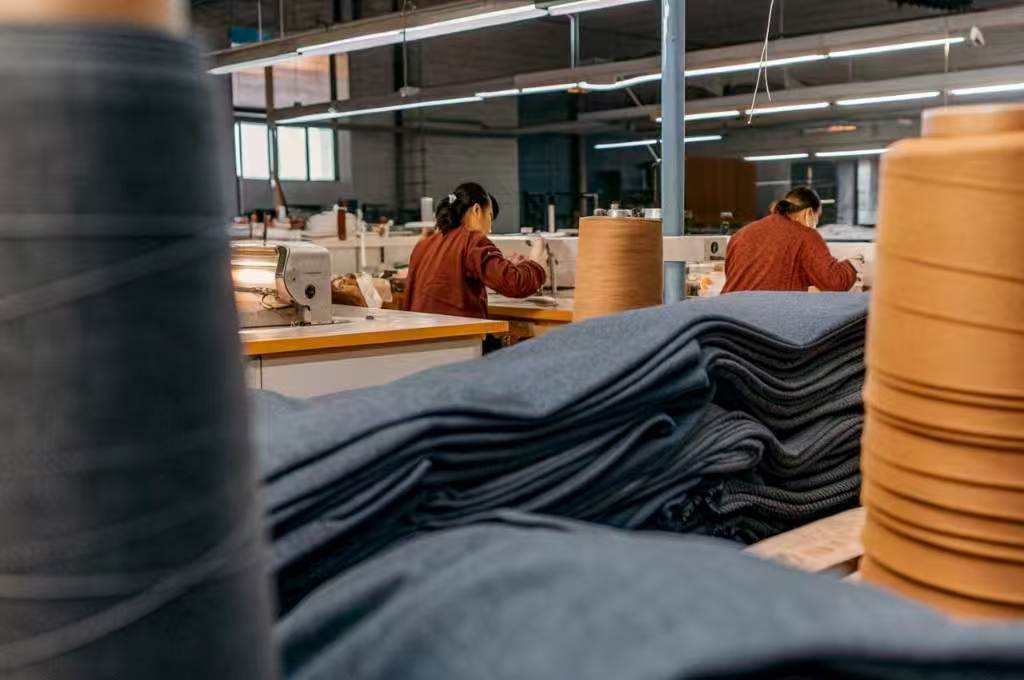
Sewing process
Before you choose a manufacturer, it’s critical to know exactly what this role covers.
“Manufacturer apparel” refers to companies or factories that physically produce garments for brands, retailers, or wholesalers—often using the buyer’s specifications or designs.
What does the term “manufacturer apparel” mean for brands and retailers?
For brands, it’s the link between creativity and reality. For retailers, it’s the source of private label products that give them unique assortments.
- For brands – Manufacturers transform your designs into physical products, whether you provide a tech pack3 or just a concept.
- For retailers – They produce in-house brands that can compete with national labels.
- For wholesalers – They ensure bulk runs of reliable styles for resale to smaller stores.
Example: A North American sportswear brand sent us only mood boards and a description of their ideal hoodie. We sourced fabric, created patterns, and delivered their collection to three different warehouses—all under their label.
Pro tip: The more specific you are with your manufacturer about your goals (quality level, target price, target market), the smoother the entire process will be.
How is apparel manufacturing different from retail and wholesale operations?
| Aspect | Manufacturing | Wholesale | Retail |
|---|---|---|---|
| Function | Producing garments | Selling in bulk to retailers | Selling directly to consumers |
| Customization | High (buyer-specified) | Low to medium | None |
| Control | Full over materials & processes | Limited | None |
| Buyer Type | Brands, wholesalers, retailers | Retailers, resellers | End consumers |
Manufacturing is where creation happens. Wholesale and retail are focused on distribution and selling.
The Key Stages of the Apparel Manufacturing Process?
From concept to carton, apparel manufacturing follows a precise workflow.
The process usually includes design, sampling4, sourcing, pattern making5, cutting, sewing, finishing, quality control, and shipping.
What happens from design concept to finished garment delivery?
Here’s a common end-to-end production flow:

- Design and tech pack creation – Define style, measurements, construction details, and fabric type.
- Fabric and trim sourcing – Select and secure materials that meet design and performance needs.
- Pattern making – Create paper or digital templates for each garment piece.
- Sample creation – Produce a physical prototype for review.
- Sample approval & revisions – Adjust until it matches the desired result.
- Bulk production – Cut, sew, and assemble in larger quantities.
- Finishing – Trim threads, press garments, attach labels and hangtags.
- Quality control – Inspect each batch for defects.
- Packaging & shipping – Pack to spec and arrange transport to the buyer.
Modaknits case: We worked with an activewear brand that wanted leggings with both compression and stretch. It took three sample rounds and 45 days of development before bulk production even started—but the final sell-through rate was 92%.
Pro tip: Budget at least 20–30% of your lead time for sampling and revisions before bulk production.
How do sampling, production runs, and quality control fit into the workflow?
- Sampling – Allows you to confirm fit, comfort, and appearance before committing large funds.
- Production runs – Can be split into phases to meet staggered delivery schedules.
- Quality control – Involves checking incoming fabrics, in-process sewing, and finished goods before shipment.
| QC Stage | Purpose | Example check |
|---|---|---|
| Pre-production | Catch fabric defects early | Fabric shrinkage test |
| In-line | Prevent errors from repeating | Stitch density measurement |
| Final | Confirm overall compliance | Fit on mannequin vs. size chart |
Types of Manufacturer Apparel Services Available?
Different manufacturers offer different service models and specializations.
Choosing between OEM, ODM, or full-package depends on your design capabilities, budget, and timeline.
What is the difference between OEM, ODM, and full-package manufacturing?
| Model | What it Means | Best For |
|---|---|---|
| OEM | You provide designs; they produce them. | Brands with in-house design teams |
| ODM | Manufacturer designs and produces for you. | Brands without in-house design capabilities |
| Full-package | Covers design, sourcing, production, logistics | Startups and brands wanting one-stop solutions |
Example: For a start-up streetwear brand, we acted as an ODM—designing their first 8 styles, sourcing fabrics, and managing all production. By their second season, they moved to OEM, providing their own designs.
How do cut-and-sew, knitwear, and specialty apparel manufacturers differ?
- Cut-and-sew – Works from fabric rolls, ideal for woven shirts, trousers, jackets, and most casual wear.
- Knitwear – Creates garments from yarn (sweaters, cardigans, beanies).
- Specialty apparel – Focuses on specific markets like activewear, uniforms, or protective clothing.
Story: Our knitwear division once produced a 1,200-piece sweater order entirely from recycled yarns. It became the client’s best-selling sustainable product.
Global Hotspots for Manufacturer Apparel Production?
Your choice of manufacturing region can influence cost, quality, and lead time.
Asia leads in scale and price competitiveness, while Europe and the US dominate in luxury, small-batch, or specialty work.
Which countries dominate in cost-effective apparel manufacturing?
| Country | Strengths | Common Products |
|---|---|---|
| China | Full supply chain, tech fabrics | Activewear, streetwear |
| Vietnam | Quality workmanship, trade benefits | Sportswear, jackets |
| Bangladesh | Low cost for large volumes | T-shirts, hoodies |
| India | Cotton expertise, embroidery skills | Dresses, tunics, resort wear |
Example: One of our clients moved production from the US to Vietnam for a nylon outerwear line, cutting unit costs by 28% without sacrificing quality.
Why are some regions preferred for luxury vs. fast fashion production?
- Luxury – Italy, France, Japan: known for craftsmanship, premium textiles, and heritage.
- Fast fashion – China, Bangladesh, Vietnam: built for high-volume, quick turnaround, and competitive pricing.
How to Work Effectively with a Manufacturer Apparel Partner?
Working well with a manufacturer is about preparation and communication.
Your ability to provide clear instructions and maintain regular contact will directly impact quality and timelines.
What should you prepare before contacting a manufacturer?
- A complete tech pack – with measurements, materials, stitch types, colors, and trims.
- Target quantity and delivery date – helps the factory schedule capacity.
- Budget range – aligns expectations early.
- Reference samples – so the factory understands your quality level.
Tip: New brands often under-communicate details, which leads to costly revisions later.
How do you maintain quality and communication during production?
- Schedule weekly production updates with photos and videos.
- Use messaging + email to keep a paper trail.
- Arrange in-line inspections during sewing.
- Be available to approve urgent changes.
Conclusion
Apparel manufacturing is the backbone of the fashion industry. Whether you work with an OEM, ODM, or full-package partner, success depends on understanding the process, preparing your specs, and maintaining clear communication from start to finish. The better you know the production flow, the more power you have to control cost, quality, and delivery.
-
Explore this link to understand the intricate process of apparel manufacturing and its significance in the fashion industry. ↩
-
Discover the importance of sourcing materials and how it impacts the quality of the final product. ↩
-
Learn about the importance of a tech pack and how it aids in the manufacturing process. ↩
-
Understand the importance of sampling in confirming fit and quality before bulk production. ↩
-
Understand the role of pattern making in creating garments and its impact on fit and design. ↩