Most hoodies look similar at first glance—but some fall apart after a few washes, while others stay flawless for years. That’s frustrating. You want a hoodie that’s soft, durable, and feels worth every dollar.
A good quality hoodie is defined by durable materials1, solid construction, and thoughtful features—like dense fabric, reinforced seams, and premium hardware2.
I still remember my first "premium" hoodie. It wasn’t the brand that surprised me—it was how it felt and lasted. Let’s break down what really makes a hoodie high-quality.
What Materials Define a High-Quality Hoodie?
The material is the foundation of a hoodie’s comfort, longevity, and price. It decides whether your hoodie stays in shape or becomes a saggy mess.
High-quality hoodies often use thick cotton, fleece-lined knits, or blends that balance softness and durability—like cotton-polyester with brushed interiors.
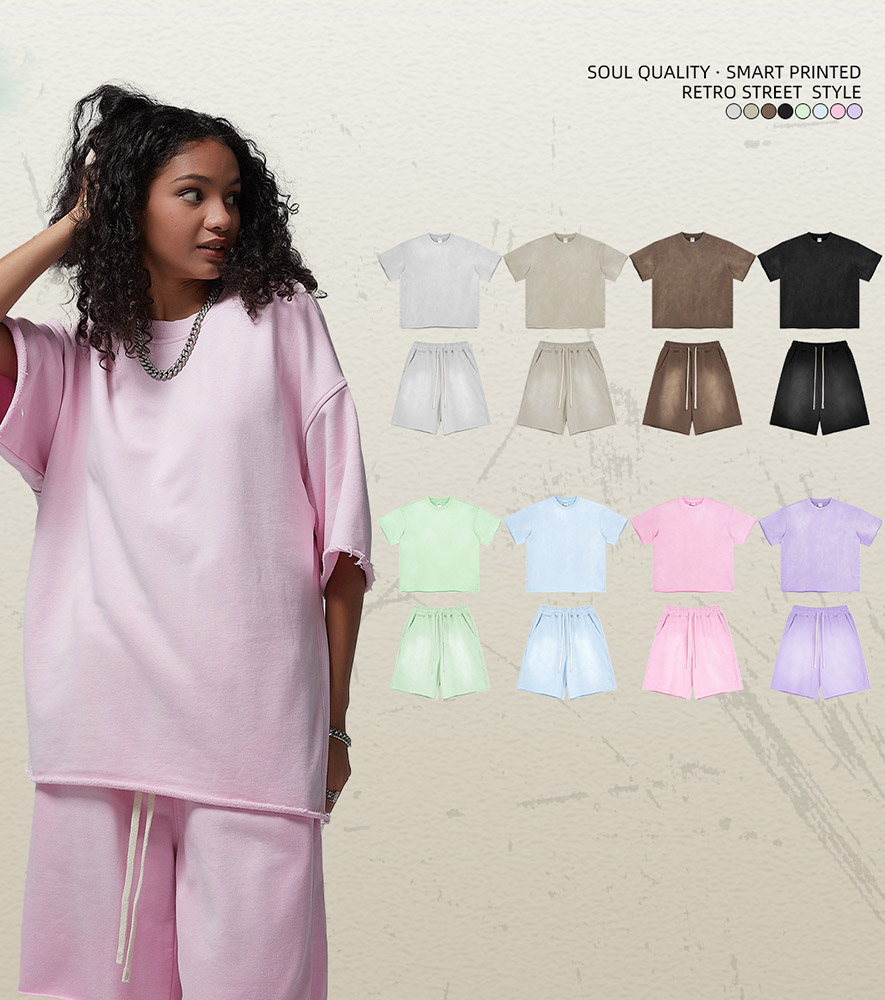
 Green Lounge Set
Is 100% cotton better than blends for hoodie quality?
Cotton is breathable and soft, but it isn’t always the best alone.
Blends like 80% cotton and 20% polyester offer the best of both worlds—natural comfort with added strength and reduced shrinkage.
- 100% Cotton: Best for natural softness and warmth, but can shrink and lose shape over time if not pre-shrunk.
- Cotton-Polyester Blends: Improve stretch recovery and minimize wrinkles.
- French Terry vs. Fleece: French terry is loop-backed and breathable. Fleece is brushed, warmer, and plush.
| Material Type | Pros | Cons |
|---|---|---|
| 100% Cotton | Soft, breathable | Prone to shrinking/pilling |
| Cotton-Poly Blend | Durable, holds shape | Less “natural” feel |
| French Terry | Light, breathable | Less warm than fleece |
| Fleece (Brushed) | Warm, soft interior | Can pill without treatment |
What role do fabric weight (GSM) and softness play in quality?
Weight and texture directly affect performance and perception.
GSM (grams per square meter) shows thickness: 300+ GSM means a heavier, premium hoodie that’s more insulating and luxurious.
- Below 250 GSM: Lightweight, ideal for layering or warmer climates.
- 250–320 GSM: Midweight, balanced durability and comfort.
- 320+ GSM: Heavier, structured, built to last—premium feel.
Softness often comes from brushed interiors or enzyme washes, not just fabric content. Run your hand inside. A soft touch often means better comfort, especially post-wash.

How Is a Well-Made Hoodie Constructed?
A hoodie’s construction determines if it can handle daily wear and repeated washing. Many fail here.
A high-quality hoodie will have tight, even stitching, strong seam reinforcements, and premium ribbing that holds its elasticity.
Even the best fabric can’t save sloppy sewing. I once bought a hoodie that started unraveling at the armhole—after only two wears.
Do stitching patterns and seam reinforcements indicate durability?
Yes. The seams are stress points and reveal a lot.
Double-needle stitching and bar tacks at stress points (like pocket corners) mean the hoodie is built to withstand real use.
- Flatlock Seams: Lay flat on the fabric, reducing chafing and bulk—used in premium sportswear.
- Topstitching: Adds structure and strength to areas like shoulders and hood.
- Bar Tack Reinforcements: Found in quality activewear—tiny zigzag reinforcements where pulling often happens.
Why does ribbed cuff and waistband elasticity matter?
These rib sections stretch constantly—when you pull sleeves up or sit down.
High-end hoodies use spandex-blended ribbing that keeps its shape instead of getting baggy.
Cheap ribbing loses tension fast. Premium options mix elastane or Lycra with cotton, offering:
- Tighter grip without discomfort
- Better shape recovery
- Longevity even after multiple washes
What Features Set Premium Hoodies Apart from Cheap Ones?
Subtle design upgrades often hide in plain sight—until you use them daily.
Premium hoodies often include metal hardware, double-lined hoods, kangaroo pockets with hidden stitching, and special treatments for softness and durability.
It’s the difference between “just another hoodie” and “my favorite hoodie.”
Does a double-lined hood or metal hardware improve quality?
Yes—both improve function and feel.
A double-lined hood provides structure and insulation, while metal zippers and aglets resist wear and elevate appearance.
- Zippers: YKK or RiRi are industry gold standards.
- Hood Lining: Prevents shape collapse and gives a clean, heavyweight drape.
- Drawcord Ends (Aglets): Metal > plastic—won’t crack or split over time.
Are pre-shrunk and anti-pilling treatments worth paying for?
Absolutely—especially if you wash hoodies often.
Pre-shrinking avoids unpleasant surprises, while anti-pilling coatings keep fleece smooth, even after heavy use.
- Pre-shrunk Cotton: Maintains sizing consistency.
- Enzyme Washes: Soften fabric and reduce fuzzing.
- Anti-Pill Finishes: Create a barrier to fiber abrasion, which forms pills.
Which Brands Are Known for High-Quality Hoodies?
Some brands invest more in fabric, testing, and construction. You’ll notice.
Top-tier hoodie brands include Reigning Champ, Nike Tech Fleece, and Aimé Leon Dore—offering longevity, comfort, and aesthetic edge.
What are the top hoodie brands with long-lasting quality?
Here’s a quick list of brands known for consistency and detail.
Reigning Champ, Carhartt WIP, and John Elliott produce hoodies that age well, resist wear, and keep their shape.
- Reigning Champ: Canadian-made, heavyweight fleece, flatlock seams.
- Carhartt WIP: Rugged but stylish—built to last.
- John Elliott: Streetwear staple, refined fit and fabrics.
How do streetwear and athletic brands compare in quality?
It depends on your needs.
Streetwear hoodies emphasize fabric texture and look; athletic brands optimize performance and stretch recovery.
| Brand Type | Pros | Best Use Case |
|---|---|---|
| Streetwear | Premium cotton, style focus | Casual, fashion layering |
| Athleticwear | Moisture-wicking, durability | Workouts, active movement |
| Hybrid (e.g. Nike Tech Fleece) | Combines both worlds | All-day wear |
How Can You Tell If a Hoodie Is Good Quality Before Buying?
Don’t rely on photos alone. Whether in-store or online, a few checks can reveal a lot.
To judge quality, feel the weight, stretch the seams, examine stitching, and check hardware. For online shopping, reviews and certifications help.
What should you feel, check, and stretch when inspecting a hoodie?
There’s a simple checklist you can use.
Feel the weight, look for dense stitching, tug at seams gently, and inspect trims and tags for quality clues.
- Seam check: No gaps or loose threads.
- Cuff elasticity: Should bounce back, not stay stretched.
- Labeling: Premium hoodies often include fabric origin and care detail.
Are online reviews and certifications (like OEKO-TEX) reliable indicators?
They can’t guarantee quality—but they help a lot.
Look for verified customer reviews focused on fit and durability. Certifications like OEKO-TEX ensure safe, non-toxic materials.

- OEKO-TEX® Standard 100: Ensures no harmful substances.
- GOTS (Global Organic Textile Standard): Indicates sustainable and ethical practices.
- Trustpilot or Product-Specific Reviews: Watch for mentions of durability, fading, and shrinkage.
Conclusion
Not all hoodies are made equal. By checking the fabric, construction, features, and brand reputation, you can easily separate premium pieces from fast-fashion fillers.