Skip to content
Sportswear is no longer just for the gym. From influencers to active brands, everyone is customizing athletic apparel to match their identity, values, and audience.
Custom sportswear1 refers to athletic garments made with personalized design elements—such as logos, patterns, and fit. It’s trending due to the global rise in athleisure, performance fashion, and brand-driven fitness culture.
But what’s really fueling this surge in demand? Let’s explore why so many modern brands and businesses are investing in custom sportswear.
Why Is Custom Sportswear in High Demand?
From fitness studios to TikTok stars, the push for personalized activewear is reshaping how we think about performance and branding.
Custom sportswear is trending because it offers identity, exclusivity, and function. Brands and individuals want apparel that fits their image and enhances performance.
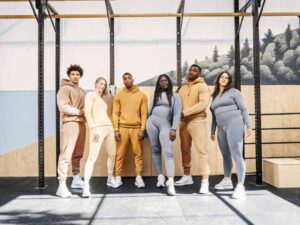 Unified in Motion
Who Benefits from Custom Sportswear?
| Audience | Why It Works |
|---|---|
| Gyms & Studios | Branded apparel builds community and loyalty |
| Startups | Stand out with design-first performance wear |
| Influencers | Monetize personal brand through athletic merch |
| Sports Teams | Unify teams with custom-fit, breathable uniforms |
Athleisure isn’t just a fashion trend—it’s a lifestyle shift. Gym members want gear that feels good and looks premium. Influencers build loyal followings with custom drops that align with their aesthetic. For teams, matching high-performance gear fosters unity and morale.
Small brands entering the space leverage custom products for better margins, unique storytelling, and long-term customer loyalty. As consumers move away from mass-market basics, the desire for curated, customized looks only intensifies.
How Is Custom Sportswear Made?
The process behind custom sportswear isn’t just about printing logos—it’s a full development cycle.
Custom sportswear is made through a multi-step process: design, material selection, sample development, and bulk production. Each stage affects fit, function, and overall product quality.
Production Process Breakdown
| Stage | Key Actions |
|---|---|
| Design & Tech Pack | Finalize measurements, branding, and color palettes |
| Material Sourcing | Choose fabrics for stretch, breathability, or feel |
| Sample Development | Create and adjust prototypes for fit and performance |
| Bulk Production | Final approval → factory begins manufacturing |
Fabric is the foundation of any high-performance garment2. Whether it’s moisture-wicking polyester, soft recycled spandex, or stretch mesh panels—each fabric choice defines comfort and durability.

At Modaknits, we help clients access trending and functional materials like nylon/elastane blends, bamboo jersey, and eco-certified synthetics. Timelines depend on the complexity: usually 5–7 days for samples and 15–30 days for bulk, depending on volume and details like prints or zippers. Having a manufacturer with in-house pattern making speeds things up dramatically.
Which Types of Custom Sportswear Can You Create?
Sportswear isn’t one-size-fits-all. With the right factory, you can bring a wide range of athletic styles to life.
From compression leggings to cycling kits, you can customize nearly every type of athletic wear. Options include unisex styles, sustainable materials, and flexible fits for diverse use cases.
Popular Custom Sportswear Categories
| Category | Description |
|---|---|
| Leggings | High-stretch, full-length or biker short styles |
| Sports Bras | Medium to high-impact support with unique cut-outs |
| Tracksuits | Branded zip-up tops and joggers for warm-up or leisure |
| Cycling Wear | Aerodynamic, moisture-wicking sets for performance |
| Team Uniforms | Numbered jerseys, sublimation prints, and team branding |
| Athleisure Hoodies | Lightweight, branded tops for gym-to-street wear |
Custom sportswear isn’t just about variety—it’s about flexibility. You can tailor fit for men, women, or unisex cuts. Add elements like elastic waistbands, thumb holes, zip pockets, or mesh ventilation.
Many brands also request eco-friendly options, using RPET polyester or organic cotton blends. We offer help not only in silhouette choice but also in labeling, hangtags, and packaging—essential for retail or e-commerce.
How to Choose a Reliable Custom Sportswear Manufacturer?
A great product starts with the right partner. Choosing the wrong supplier can cost you time, money, and brand trust.
Look for a sportswear manufacturer with proven experience, low MOQ flexibility, strong QC processes, and transparent communication. Sample clarity and lead time guarantees are non-negotiable.
What to Look For
| Criteria | Why It Matters |
|---|---|
| Fabric Expertise | Must understand stretch, sweat, and activewear blends |
| MOQs | Should support both small and large production runs |
| QC & Certifications | Ensures international standard quality |
| Turnaround Time | Keeps your launch on schedule |
Avoid manufacturers that don’t specialize in activewear—they may lack the machinery or techniques needed (like flatlock seams or sublimation printing).
At Modaknits, we’ve helped hundreds of brands avoid sourcing pitfalls by offering free tech pack reviews, sample photos before shipping, and bilingual support for real-time updates. Look out for red flags like unclear pricing, missing certifications (e.g., OEKO-TEX, GRS), or vague feedback during sampling. Good partners help you improve—not just produce.
Do Small Brands and Startups Need Custom Sportswear?
The sportswear market isn’t just for giants like Nike or Adidas. In fact, it’s small, agile brands that are making the biggest waves right now.
Yes—custom sportswear is a huge opportunity for startups. It helps you stand out with unique branding, own your margins, and speak directly to niche communities.
Why Custom Sportswear Works for Small Brands
| Advantage | Description |
|---|---|
| Unique Branding | Every piece reflects your story and audience |
| Higher Margins | DTC model = better profit than resale wholesale |
| Community Loyalty | Customers wear your identity—literally |
| Scalable Drops | Start with 50–100 units and grow from there |
Small brands are winning by building micro-communities—fitness influencers, yoga instructors, or MMA gyms who drop limited collections their audience connects with. These pieces aren’t just clothing—they’re badges of belonging.
With modern factories like Modaknits offering low MOQs and fast reorders, you don’t need thousands of dollars upfront to enter the market. It’s all about test → learn → scale.
Is Custom Sportswear Expensive? How Can You Optimize Costs?
Premium quality doesn’t have to come with premium cost—if you know where to optimize.
While custom sportswear involves material and design costs, you can reduce total expense by simplifying graphics, selecting stock fabrics, and ordering in batches for price breaks.
Cost Breakdown
| Component | Cost Impact |
|---|---|
| Fabric | Higher for sustainable or imported options |
| Printing/Embroidery | Depends on placement and method (sublimation vs. heat transfer) |
| Pattern Complexity | Custom cuts cost more than basic silhouettes |
| Quantity | More units = lower cost per piece |
Tips to Reduce Cost
| Tip | Result |
|---|---|
| Limit Print Areas | Lower setup fees |
| Use Stock Colors/Fabrics | Skip dyeing or sourcing surcharges |
| Order in 50/100+ Units | Hit better price tiers |
| Simple Shapes, Bold Logos | Lower sewing complexity + better branding |
Many new brands go overboard with design. But most successful pieces use 1–2 standout elements: a unique color, bold chest logo, or textured print. Keep it focused and aligned with your message.
Avoid unnecessary trims or paneling in early batches—it adds cost and increases production time. At Modaknits, we help clients prioritize what’s visually impactful while trimming what doesn’t drive sales.
Where Can You Find the Best Custom Sportswear Supplier?
Finding the right supplier is half the battle—and there are more choices than ever, from local to global.
Compare local vs. overseas options based on budget, speed, and capabilities. Use sourcing platforms, referrals, or direct factory searches to identify trustworthy partners.
Local vs. Overseas Manufacturing
| Factor | Local (e.g. USA, UK) | Overseas (e.g. China, Vietnam) |
|---|---|---|
| Cost | ❌ Higher | ✅ More affordable at scale |
| Lead Time | ✅ Shorter (domestic shipping) | ✅ Efficient with air/sea freight |
| Capabilities | ❌ Often limited | ✅ Access to high-tech facilities |
| MOQ Flexibility | ❌ Higher minimums | ✅ Can start from 50–100 units |
Use sourcing platforms like Alibaba, Faire, or MakersRow—or search directly on Google using filters like “custom activewear factory low MOQ.” Always vet with sample quality, response speed, and photo proofs.
At Modaknits, we specialize in being that direct, transparent factory partner—no agents, no guesswork. You can ask for references, inspection reports, or real photos/videos of your order mid-production.
Conclusion
Custom sportswear isn’t just a trend—it’s a business model. It helps you stand out, connect with your audience, and own your product story from fabric to final fit. Whether you’re starting with a 50-piece drop or launching a full performance line, the right partner makes it possible.
🚀 Ready to bring your vision to life?
📩 Contact Modaknits for free samples or a design consultation. We’ll help you build activewear that performs, sells, and scales.