Skip to content
There was a time when workout clothes stayed in the gym. But in 2025, athleisure has become the new global uniform—blurring the line between fashion, function, and lifestyle. From yoga studios to airports, coffee shops to boardrooms, it’s everywhere.
Athleisure clothing combines the flexibility and performance of athletic wear with the style and comfort of casual fashion—making it one of the most disruptive and lucrative fashion trends of the decade.
It’s not just a trend. It’s a cultural shift. Let’s break down why.
What Is Athleisure Clothing and Why Is It So Popular Right Now?
Athleisure isn’t sportswear. It’s fashion-forward functionality. And that nuance makes all the difference.
Athleisure clothing refers to garments designed for both exercise and everyday life, offering stretch, breathability, and modern aesthetics all in one.
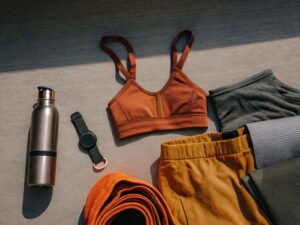 Workout essentials flat lay
💡 Why It Works in 2025
- Comfort is currency: Post-pandemic lifestyles demand easy movement
- Style is essential: Fashionable cuts make it wearable beyond workouts
- Lifestyle is blended: Work-from-anywhere and health-first culture boost demand
🧠 Why Gen Z and Millennials Drive It
| Generation | Motivation |
|---|---|
| Gen Z | Gender-fluid silhouettes, sustainable values |
| Millennials | Wellness culture + fashion-conscious buying |
Social media amplifies it, but real life keeps it relevant. Athleisure fits our pace.
Which Athleisure Pieces Are Most In-Demand in 2025?
Not all pieces perform equally—some have become icons of the movement.
In 2025, top-selling athleisure items include high-waisted leggings, cropped hoodies, ribbed bras, sculpted joggers, and utility-infused tops with clean lines and sustainable blends.
🛍 Best-Selling Categories
| Item | Key Features |
|---|---|
| High-Waisted Leggings | Compression, hidden pockets, stretch |
| Cropped Hoodies | Boxy fit, thumbholes, soft fleece blends |
| Joggers | Tapered ankle, elastic waistband, zip hems |
| Ribbed Sports Bras | Removable padding, seamless finishes |
🧵 Material & Design Innovations
- Seamless construction for no-chafe, sculpted fit
- Eco-fabric blends (recycled nylon + organic cotton)
- Built-in tech: moisture-wicking, odor control, UPF protection
🌍 Inclusive Market Segments
- Unisex designs with straight cuts and extended sizing
- Maternity athleisure with foldable waistbands and nursing-friendly tops
- Plus-size activewear with adaptive stretch and high-rise fits
Athleisure isn’t just inclusive—it’s adaptive by design.

How Is Athleisure Clothing Different from Traditional Sportswear?
Both may stretch—but the intention behind athleisure is different.
Athleisure blends style, comfort, and lifestyle versatility, while traditional sportswear focuses strictly on performance metrics like sweat absorption, aerodynamics, or heat control.
🧘 Key Differences
| Factor | Sportswear | Athleisure |
|---|---|---|
| Purpose | Exercise-specific | Daily wear with performance elements |
| Fabric | Nylon, mesh, tech synthetics | Modal, bamboo, RPET, soft blends |
| Design | Function-first (cut, stitch) | Fashion-driven (color, shape, styling) |
| Use Case | Gym, running, training | Travel, errands, casual meetings |
📍 Real-Life Examples
- Yoga pants to office pants (paired with a blazer)
- Half-zip hoodies as airport fashion
- Sculpted bodysuits worn under trench coats
Athleisure doesn’t scream “workout”—and that’s its superpower.
Do Small Fashion Brands Need Special Suppliers for Athleisure Production?
Yes. Athleisure requires specialized sewing, fabric sourcing, and stretch-fit testing—not every supplier can deliver that level of detail.
Startups need manufacturing partners that offer low MOQ, in-house sampling, and experience with performance fabric sewing techniques.
🧩 What to Look for in a Manufacturer
| Requirement | Why It Matters |
|---|---|
| Stretch sewing expertise | Ensures seam integrity and recovery |
| MOQ flexibility | Supports small batch testing |
| Sampling turnaround | Accelerates time-to-market |
| Activewear experience | Reduces trial and error |
🔄 Sample-to-Scale Workflow
- Tech pack + moodboard
- Proto-sample review (3–5 working days)
- Fit test + fabric confirmation
- Bulk production (15–30 days)
- QC + packaging
At Modaknits, we help startup brands bring athleisure designs to life with low MOQs and performance-first production standards.
Is There a Right Way to Design Athleisure Clothing for Branding Success?
Yes—and it’s all about balancing aesthetics with movement.
Successful athleisure brands focus on subtle yet functional customization: think heat-transfer logos, power mesh inserts, breathable panels, and branded hardware.
🪡 Smart Customization Ideas
| Detail | Benefit |
|---|---|
| Chest or thigh logos | Brand visibility with subtle placement |
| Thumbholes | Added comfort for cold-weather layering |
| Power mesh zones | Targeted breathability in high-sweat areas |
| Removable padding | Versatility for different body types |
🧠 Function + Fashion = Community
Athleisure brands win when they build:
- A lifestyle narrative (travel, wellness, strength)
- A functional design with utility-driven aesthetics
- A tight-knit audience through social proof and shared values
Brands like Outdoor Voices and Alo Yoga thrive because they stand for more than leggings.
Are Sustainable Athleisure Materials Reshaping Consumer Expectations?
Absolutely. Today’s buyers aren’t just checking color and cut—they’re checking labels for origin and impact.
Sustainable athleisure uses materials like recycled polyester (RPET), organic cotton, biodegradable elastane, and bamboo to reduce environmental footprint.
🌱 Trending Eco-Materials
| Material | Properties |
|---|---|
| Recycled Nylon | Durable, stretch, low-impact |
| RPET (Recycled Poly) | Water-resistant, breathable |
| Organic Cotton | Soft, toxin-free, GOTS certified |
| Biodegradable Spandex | Breaks down faster in landfill |
🏷 Certifications That Matter
- GOTS (Global Organic Textile Standard)
- OEKO-TEX® Standard 100
- GRS (Global Recycled Standard)
Consumers now expect sustainability as a baseline—not a bonus.
And brands that meet these standards are positioned as leaders in conscious fashion.
How Big Is the Global Market for Athleisure Clothing?
Massive—and still growing.
The global athleisure market1 is projected to exceed $350 billion by 2028, driven by lifestyle changes, digital retail expansion, and sustainability adoption.
🌍 Market Highlights
| Region | Growth Drivers |
|---|---|
| North America | Home of premium activewear brands |
| Europe | Hybrid fashion, eco-material adoption |
| East Asia | Urban streetwear x gymwear crossover |
| Middle East | Modestwear athleisure gaining traction |
📈 Opportunities in Sub-Segments
- Travelwear: wrinkle-free sets with hidden pockets
- Street-Athleisure: oversized hoodies with sneaker collabs
- Loungewear-Athleisure: ribbed sets with bralette tops
The movement isn’t just growing—it’s diversifying across cultures, climates, and customer values.
Conclusion
Athleisure in 2025 is more than a fashion category—it’s a reflection of how people live, move, and define identity. With the right design, fabric, and production partner, your brand can thrive in this global movement—one stretch, stitch, and story at a time.
-
Learn about the booming global athleisure market and the factors driving its growth. ↩