Skip to content
Activewear is designed for movement, comfort, and durability. The fabric plays a crucial role in performance, influencing breathability, stretch, and sweat-wicking ability. But what are the materials used in activewear, and how do they differ?
Activewear materials include polyester, nylon, spandex, merino wool, and eco-friendly options like ECONYL® and TENCEL™. Each fabric has unique properties suited for different activities, from yoga to high-intensity workouts.
Choosing the right material impacts performance, durability, and comfort. Let’s explore the most common activewear fabrics1 and their benefits.
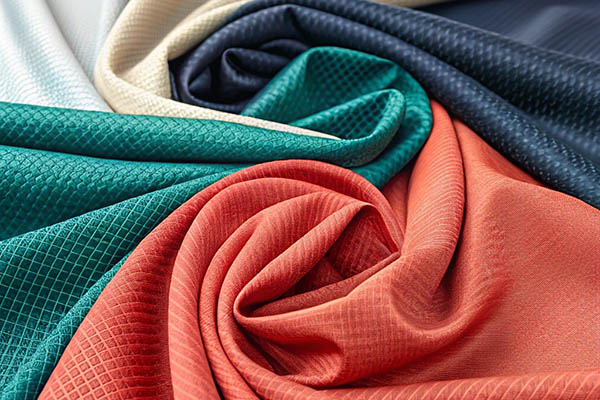
What are the most common activewear fabrics?
Activewear fabrics are chosen based on flexibility, moisture control, and durability. Some are synthetic for better performance, while others are natural for comfort.
The most common activewear materials include polyester2, nylon, spandex, merino wool, and bamboo fabric. Each material offers different benefits, from stretch to breathability.
Overview of top activewear fabrics
| Material | Key Features | Best For |
|---|---|---|
| Polyester | Moisture-wicking, durable | Running, gym workouts |
| Nylon | Soft, flexible, moisture-resistant | Leggings, sports bras |
| Spandex (Lycra, Elastane) | Stretchy, form-fitting | Yoga, compression wear |
| Merino Wool | Natural, breathable, odor-resistant | Outdoor sports |
| Bamboo Fabric | Eco-friendly, antibacterial | Athleisure, low-impact workouts |
Why is polyester the most popular activewear material?
Polyester is one of the most widely used fabrics in activewear due to its durability and moisture-wicking properties.
Polyester is lightweight, moisture-resistant, and quick-drying, making it ideal for intense workouts. It retains shape well and provides excellent durability.
Advantages of polyester
Polyester is used in most activewear brands due to its versatility:
- Moisture-wicking – Keeps sweat away from the skin.
- Quick-drying – Dries faster than cotton.
- Durable – Resistant to shrinking and wrinkles.
- Lightweight – Comfortable for movement.

Downsides of polyester
Despite its benefits, polyester has some drawbacks:
| Issue | Explanation | Solution |
|---|---|---|
| Odor Retention | Traps sweat smell | Anti-odor treatments |
| Non-Biodegradable | Made from synthetic fibers | Recycled polyester (rPET) |
Best uses for polyester
Polyester is ideal for running, gym workouts, and high-performance sports where sweat control is important.
How does nylon compare to polyester in activewear?
Nylon is another synthetic fabric commonly used in activewear, offering a softer feel and better flexibility than polyester.
Nylon is soft, stretchy, and moisture-wicking, making it great for leggings, sports bras, and compression wear. It provides a second-skin feel while remaining durable.
Key differences between polyester and nylon
| Feature | Polyester | Nylon |
|---|---|---|
| Texture | Slightly rough | Soft and smooth |
| Stretchability | Moderate | High |
| Moisture-Wicking | Yes | Yes |
| Durability | High | Moderate |
| Common Use | General activewear | Leggings, compression wear |
Why choose nylon?
- Soft and smooth feel – Feels better against the skin than polyester.
- High flexibility – Ideal for activities requiring movement, like yoga.
- Better fit and stretch – Used in form-fitting garments like leggings.
Best uses for nylon
Nylon is best for leggings, yoga wear, and fitted activewear where flexibility is key.
What is spandex (Lycra/Elastane) used for in activewear?
Spandex, also known as Lycra or elastane, is a synthetic fabric known for its extreme elasticity.
Spandex provides stretch and flexibility in activewear, ensuring a snug fit and unrestricted movement. It is often blended with polyester or nylon to enhance comfort and performance.
Benefits of spandex in activewear
- Four-way stretch – Moves with the body.
- Shape retention – Helps clothing keep its original form.
- Breathability – Works well in moisture-wicking blends.
Downsides of spandex
- Less durable than polyester or nylon – Can lose elasticity over time.
- Not moisture-wicking on its own – Often blended with other fabrics.
Best uses for spandex
Spandex is commonly used in leggings, compression wear, and high-stretch garments that require a flexible fit.

Are there natural alternatives to synthetic activewear fabrics?
Many consumers are shifting towards sustainable and natural fabrics in activewear.
Natural alternatives to synthetic fabrics include merino wool, bamboo fabric, and organic cotton. These options are biodegradable, breathable, and eco-friendly.
Sustainable activewear fabric options
| Fabric | Benefits | Common Use |
|---|---|---|
| Merino Wool | Breathable, odor-resistant | Outdoor sports, layering |
| Bamboo Fabric | Antibacterial, soft | Athleisure, yoga wear |
| Organic Cotton | Eco-friendly, breathable | Low-impact workouts |
Why choose natural fabrics?
- Better for the environment – Biodegradable and renewable.
- Odor-resistant – Natural fibers prevent bacterial growth.
- Soft and breathable – Feels comfortable against the skin.
Best uses for natural fabrics
Natural fabrics work best for low-impact workouts, yoga, and outdoor activities where breathability matters.
What are the most eco-friendly activewear fabrics?
Sustainability is a growing focus in activewear, leading to the rise of eco-friendly materials.
Eco-friendly activewear fabrics include ECONYL® (recycled nylon), TENCEL™ (wood pulp fiber), and rPET (recycled polyester). These materials reduce environmental impact while maintaining performance.
Top sustainable activewear materials
| Fabric | Sustainability Benefit | Performance Feature |
|---|---|---|
| ECONYL® | Made from recycled ocean waste | Durable, flexible |
| TENCEL™ | Biodegradable, from wood pulp | Soft, breathable |
| Recycled Polyester (rPET) | Reduces plastic waste | Moisture-wicking, lightweight |
Why switch to sustainable fabrics?
- Reduces waste – Uses recycled materials instead of new plastics.
- Lower carbon footprint – Requires less energy and resources.
- Matches performance of synthetics – Offers stretch, moisture control, and comfort.
Best uses for eco-friendly fabrics
Sustainable fabrics are ideal for environmentally conscious brands, yoga wear, and high-performance activewear with a lower ecological impact.
Conclusion
Activewear materials vary based on performance needs, comfort, and sustainability. Polyester and nylon dominate the market for durability and sweat-wicking properties, while spandex enhances flexibility. Natural and eco-friendly alternatives like merino wool, bamboo, and ECONYL® offer sustainable options for conscious consumers. Choosing the right fabric ensures better performance, longevity, and comfort in activewear.