Skip to content
In the ever-growing fashion industry, private label clothing manufacturers1 have become a go-to solution for businesses looking to launch their own clothing lines without the complexities of owning production facilities. Private label manufacturers help bring clothing concepts to life, offering flexibility and cost efficiency for brands of all sizes. But what exactly does this term mean, and how does it work?
A private label clothing manufacturer produces garments for brands that sell them under their own labels, allowing businesses to focus on branding, marketing, and customer relationships rather than production.
This article explains what a private label is in the context of clothing, how private label manufacturers operate, and why they are essential for emerging and established fashion businesses alike.
What Is a Private Label for Clothing?
Private label clothing refers to apparel that is manufactured by a third-party producer and sold under a retailer’s or brand’s label. Unlike mass-market products, private label clothing is often customized to meet the specific needs of the brand, including designs, fabrics, and fit.
Private label clothing is apparel created by third-party manufacturers and branded with the retailer’s name, offering businesses a cost-effective way to sell customized clothing.
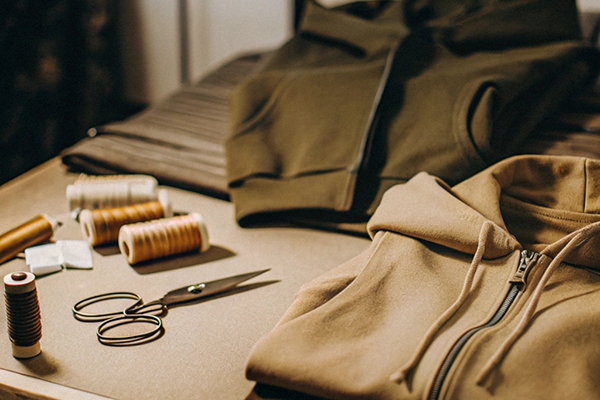
Key Characteristics of Private Label Clothing
-
Customization
- Brands can dictate the design, fabric choice, and overall look of the clothing.
- Private label manufacturers provide a catalog of templates or allow full custom designs.
-
Ownership of Branding
- The retailer owns the label, logo, and marketing of the clothing, maintaining control over how the products are presented to consumers.
-
Flexibility
- Private label arrangements allow brands to choose the level of involvement in the production process, whether it’s modifying existing designs or creating unique collections from scratch.
-
Cost Efficiency
- Outsourcing production to private label manufacturers is often more affordable than establishing and operating an in-house factory.
| Feature | How It Works in Private Label |
|---|---|
| Customization | Brands define designs, fabrics, and fit |
| Branding | Retailers sell products under their name |
| Production Efficiency | Manufacturers handle the technical work |
Private label clothing gives brands the freedom to focus on building their identity and customer base while leaving production to experts.
How Do Private Label Clothing Manufacturers Operate?
Private label clothing manufacturers streamline the production process for businesses by handling everything from sourcing materials to assembling the final product. Here’s how they typically operate:
1. Design and Customization
-
Standard Options:
- Manufacturers often provide pre-designed templates or collections that brands can modify with their own logos, colors, and labels.
-
Fully Custom Options:
- Brands can submit their own designs and request specific fabrics, cuts, and finishes to create unique collections.
2. Material Sourcing
- Manufacturers source fabrics, trims, and accessories based on the brand’s requirements.
- Some offer sustainable or organic materials, catering to brands that prioritize eco-friendly practices.

3. Sampling and Prototyping
- Before full production begins, manufacturers produce samples to ensure the designs and quality align with the brand’s expectations.
4. Mass Production
- Once the samples are approved, the manufacturer begins large-scale production, adhering to the agreed timelines and specifications.
5. Packaging and Labeling
- Manufacturers typically handle custom labeling, including branded tags, care instructions, and packaging.
6. Shipping and Delivery
- The final products are shipped to the retailer’s warehouse or directly to customers if the manufacturer provides dropshipping services.
| Step | Manufacturer’s Role |
|---|---|
| Design | Provide templates or assist with custom designs |
| Material Sourcing | Source fabrics and trims |
| Sampling | Create prototypes for approval |
| Production | Manufacture garments at scale |
| Packaging/Shipping | Handle branding and delivery |
This full-service approach allows brands to bring their ideas to life with minimal operational overhead.
Benefits of Using a Private Label Manufacturer
Partnering with a private label manufacturer offers several advantages for brands looking to establish themselves in the competitive fashion industry.
1. Cost Savings
-
Lower Investment:
- Brands don’t need to invest in machinery, labor, or factory space, significantly reducing upfront costs.
-
Scalability:
- Manufacturers offer flexible production quantities, allowing brands to scale production based on demand.
2. Speed to Market
- Manufacturers streamline the production process, helping brands launch their collections quickly.
- Ready-made templates further shorten the production timeline.
3. Quality Control
- Reputable private label manufacturers maintain high production standards2, ensuring consistent quality in every piece.
4. Brand Exclusivity
- By branding products under their own labels, businesses can create a unique identity and differentiate themselves from competitors.
5. Expertise and Resources
- Manufacturers provide technical expertise in garment construction and access to industry-grade materials and tools.
| Benefit | Why It Matters |
|---|---|
| Cost Savings | Reduces startup costs |
| Speed to Market | Ensures faster product launches |
| Quality Control | Maintains consistency in production |
| Brand Exclusivity | Enhances customer loyalty |
| Expertise | Leverages specialized knowledge |
These benefits make private label manufacturing an attractive option for businesses of all sizes.
Challenges of Private Label Clothing
While private label manufacturing offers many advantages, it also comes with some challenges that businesses should be aware of:
1. Minimum Order Quantities (MOQs)
- Many manufacturers require a minimum order quantity3, which can be a barrier for small or emerging brands.
2. Limited Control
- Since production is outsourced, brands have less control over the manufacturing process compared to owning a factory.
3. Quality Assurance
- Ensuring consistent quality requires diligent communication and regular sampling.
4. Lead Times
- Production and shipping times can vary, especially when working with overseas manufacturers.
5. Intellectual Property Risks
- Without proper contracts, there’s a risk that designs may be replicated or sold to other brands4.
| Challenge | Potential Impact |
|---|---|
| MOQs | Limits flexibility for small businesses |
| Limited Control | May affect customization and timelines |
| Quality Assurance | Requires active communication |
| Lead Times | Can delay product launches |
| Intellectual Property | Needs protection through contracts |
Understanding these challenges can help brands navigate the process more effectively.
Why Are Private Label Manufacturers Important in Fashion?
Private label manufacturers play a critical role in the modern fashion industry, enabling brands to focus on creativity, marketing, and customer relationships rather than the complexities of production.
1. Empowering Small Businesses
- Small brands and startups can enter the market without significant financial investment in infrastructure.
2. Enabling Customization
- Private label manufacturers help brands stand out by offering unique and customizable products.
3. Supporting Fast Fashion and Sustainability
- Manufacturers cater to both fast fashion brands seeking rapid production and sustainable brands prioritizing eco-friendly practices5.
4. Bridging the Gap
- For mid-sized and growing brands, private label manufacturers provide the scalability needed to expand operations.
| Role | Impact on Fashion Industry |
|---|---|
| Empower Small Businesses | Reduces barriers to entry |
| Customization | Allows brands to create unique products |
| Scalability | Supports growing brands |
| Sustainability Options | Facilitates eco-friendly production |
Conclusion
Private label clothing manufacturers offer an efficient and cost-effective way for brands to produce apparel under their own label. By handling everything from design to delivery, these manufacturers empower businesses to focus on branding and customer engagement. While challenges like MOQs and lead times exist, the benefits of speed to market, quality control, and customization make private label manufacturing an attractive option for startups and established brands alike.
Whether you’re launching a boutique clothing line or scaling a growing brand, partnering with a private label clothing manufacturer can help bring your vision to life with less hassle and more flexibility.