Skip to content
The textile industry involves multiple processes before fabric reaches the consumer. One important but often overlooked player in this industry is the fabric converter. But what exactly does a fabric converter do?
A fabric converter is a company or individual that buys unfinished fabric (greige fabric) from mills and processes it through dyeing, printing, finishing, and other treatments before selling it to manufacturers. Fabric converters act as intermediaries between textile mills and fashion brands, ensuring the fabric meets industry standards and customer specifications.
Let’s explore the role of fabric converters, how they operate, and why they are essential in the textile supply chain.
What Does a Fabric Converter Do?
Fabric converters handle multiple steps in fabric production. But what exactly are their responsibilities?
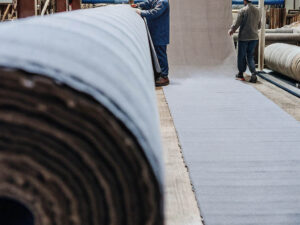
A fabric converter1 takes raw, unfinished fabric and processes it into a finished textile suitable for clothing, upholstery, or industrial use. This involves dyeing, printing, finishing, and quality control.
Key Responsibilities of a Fabric Converter:
-
Purchasing Greige Fabric
- Buys raw, unprocessed fabric from textile mills.
- Ensures the base fabric meets required quality standards.
-
Dyeing and Printing
- Adds color and patterns to fabric.
- Uses various techniques like digital printing, screen printing, and heat transfer.
-
Fabric Finishing
- Applies treatments to improve texture, durability, and performance.
- Common finishes include:
- Wrinkle-resistant coating
- Water-repellent treatment
- Flame-retardant finishing
-
Customizing Fabrics for Clients
- Works with brands and manufacturers to develop exclusive fabric designs.
- Adjusts fabric properties based on customer needs (e.g., stretchability for sportswear).
-
Quality Control & Compliance
- Ensures the final fabric meets industry regulations and standards.
- Conducts testing for durability, shrinkage, and colorfastness.
How Does a Fabric Converter Fit Into the Textile Supply Chain?
Fabric converters are an essential part of the textile industry. But how do they connect different stages of fabric production?
Fabric converters serve as the link between textile mills, fashion brands, and manufacturers by transforming unfinished fabric into market-ready textiles.

The Fabric Supply Chain Process
| Stage | Role in Fabric Production |
|---|---|
| Fiber Production | Cotton, wool, polyester, or other raw fibers are harvested or synthesized. |
| Textile Mills | Mills spin fibers into yarn and weave or knit them into greige (unfinished) fabric. |
| Fabric Converters | Buy greige fabric, dye, print, and finish it according to customer needs. |
| Manufacturers & Brands | Use the processed fabric to produce garments, upholstery, or industrial materials. |
| Retail & Consumers | Finished products reach the market for end-user purchase. |
Without fabric converters, brands and manufacturers would need to source, dye, and finish textiles themselves—an expensive and time-consuming process.
What Are the Different Types of Fabric Converters?
Not all fabric converters operate in the same way. But what are the different types?
Fabric converters can be categorized based on their specialization, including fashion fabric converters, technical textile converters, and sustainable textile converters2.
1. Fashion Fabric Converters
- Focus on fabrics for clothing brands and designers.
- Specialize in trend-driven prints and colors.
- Common in fast fashion and high-end couture.
2. Technical Textile Converters
- Process fabrics for industrial, medical, and military applications.
- Include flame-resistant, waterproof, and antibacterial treatments.
- Serve industries like construction, aerospace, and healthcare.
3. Sustainable Textile Converters
- Focus on eco-friendly dyeing and finishing methods.
- Use organic cotton, recycled polyester, and biodegradable treatments.
- Help brands meet sustainability standards.
Why Are Fabric Converters Important in the Textile Industry?
Fabric converters may not be widely recognized, but they play a crucial role. But why are they so important?
Fabric converters provide customization, improve efficiency, and enable smaller brands to access high-quality textiles without dealing with large textile mills.
1. Customization & Flexibility
- Brands can create exclusive prints, colors, and finishes without large production runs.
- Enables small and mid-sized businesses to compete with larger companies.
2. Cost & Time Efficiency
- Manufacturers don’t have to invest in dyeing and finishing equipment.
- Converters handle bulk processing, reducing production time.
3. Access to High-Quality Fabrics
- Converters work with top textile mills, providing better material options.
- Many converters offer sustainable and innovative textile solutions.
What Challenges Do Fabric Converters Face?
Like any industry, fabric converting has its challenges. But what are the biggest obstacles?
Fabric converters must navigate rising production costs, environmental regulations, and fast-changing fashion trends.
1. Rising Costs of Raw Materials
- Cotton, silk, and synthetic fibers fluctuate in price.
- Higher costs make it difficult to offer affordable finished fabrics.
2. Sustainability Regulations
- Strict environmental laws require eco-friendly dyeing and finishing.
- Converters must invest in low-impact dyeing techniques.
3. Fast Fashion’s Impact
- Rapid trend cycles create shorter lead times for fabric processing.
- Converters must adapt quickly to meet consumer demand.
How Are Fabric Converters Adapting to Sustainability Trends?
With sustainability becoming a priority, how are fabric converters evolving?
Many fabric converters are adopting sustainable practices, using organic materials, and investing in low-impact finishing techniques.
Sustainable Fabric Converting Methods
- Waterless Dyeing – Reduces water waste by using advanced printing technology.
- Recycled Materials – Converts post-consumer polyester and cotton into new textiles.
- Natural Finishes – Uses plant-based dyes and biodegradable coatings.
How to Choose the Right Fabric Converter?
For brands and manufacturers, selecting the right fabric converter is crucial. But what factors should they consider?
Choosing a fabric converter involves evaluating expertise, sustainability practices, production capacity, and pricing.
Key Factors When Selecting a Fabric Converter
| Factor | Why It’s Important |
|---|---|
| Expertise | Ensure the converter specializes in the type of fabric needed. |
| Sustainability Practices | Look for eco-friendly dyeing and finishing methods. |
| Production Capacity | Ensure the converter can meet volume requirements. |
| Pricing & Lead Time | Balance cost-effectiveness with fast turnaround times. |
Conclusion
Fabric converters play a vital role in the textile industry by transforming raw fabric into high-quality, market-ready textiles. Whether working with fashion brands, industrial suppliers, or sustainable companies, fabric converters provide essential services like dyeing, printing, and finishing. As the industry evolves, sustainability and efficiency will shape the future of fabric converting.
-
Explore this link to understand the critical role fabric converters play in transforming raw materials into market-ready textiles, enhancing efficiency and sustainability. ↩
-
Discover how sustainable textile converters are revolutionizing the industry with eco-friendly practices and materials, making a positive environmental impact. ↩