Skip to content
The fashion industry relies on different types of manufacturers to bring designs to life. One of the most important is the cut and sew manufacturer. But what exactly does this term mean?
A cut and sew manufacturer1 is a company that takes raw fabric, cuts it into pattern pieces, and sews those pieces together to create finished garments. Unlike blank apparel printing, cut and sew manufacturing allows for full customization2 of design, fabric, and fit.
This manufacturing process is widely used in custom apparel production, luxury fashion, and private label brands. Let’s explore how cut and sew manufacturing works and its advantages.
How Does Cut and Sew Manufacturing Work?
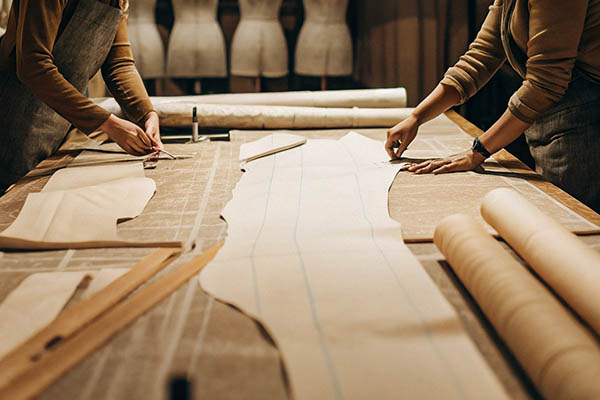
Cut and sew manufacturing involves multiple steps, transforming fabric into finished apparel.
The cut and sew process includes fabric sourcing, pattern making, cutting, sewing, finishing, and quality control3 to create fully customized clothing.
Here’s a breakdown of the key steps:
1. Fabric Selection
Designers choose from a variety of fabrics, including cotton, polyester, spandex blends, or specialty materials.
2. Pattern Making
Patterns are created based on the garment’s design specifications. These can be drafted manually or digitally using CAD software.
3. Fabric Cutting
Fabric is cut into pattern pieces using cutting machines or manually with precision tools.
4. Sewing and Assembly
Sewing specialists stitch the fabric pieces together, adding features like zippers, pockets, and linings.
5. Finishing Touches
This includes printing, embroidery, garment washing, and quality control checks.
| Stage | Description |
|---|---|
| Fabric Selection | Choosing raw materials |
| Pattern Making | Creating patterns based on design |
| Cutting | Precision cutting of fabric pieces |
| Sewing | Assembling fabric into garments |
| Finishing | Adding labels, embroidery, and QC |
What Are the Benefits of Cut and Sew Manufacturing?
Cut and sew production offers significant advantages over mass-produced blank apparel.
Customization, superior fit, and exclusive branding make cut and sew manufacturing ideal for premium fashion and private label brands.
Here’s why many brands prefer cut and sew manufacturing:
1. Full Customization
Unlike using pre-made blank apparel, cut and sew allows for full creative control over fabric, stitching, and design details.
2. Higher Quality and Better Fit
Each garment is made from scratch, ensuring precision in fit and quality, which is essential for luxury and designer brands.
3. Unique Branding Opportunities
Brands can integrate custom labels, stitching patterns, and unique design features that stand out from mass-produced clothing.
4. Flexible Production Runs
Cut and sew manufacturers cater to both small-scale designers and large brands, offering lower minimum order quantities than mass production.
| Benefit | Why It Matters |
|---|---|
| Customization | Allows for unique designs |
| Quality | Ensures high-end craftsmanship |
| Branding | Creates a distinct identity |
| Flexibility | Works for both small and large orders |

How Does Cut and Sew Compare to Other Manufacturing Methods?
Different apparel manufacturing methods serve different needs.
Cut and sew manufacturing differs from mass production and blank apparel printing by offering more customization and higher quality.
Here’s a comparison of cut and sew vs. other common manufacturing methods:
1. Cut and Sew vs. Mass Production
- Mass production focuses on high-volume, low-cost garment manufacturing, often using standardized designs.
- Cut and sew is more flexible, allowing for custom designs and smaller production runs.
2. Cut and Sew vs. Printing on Blanks
- Printing on blanks uses pre-made garments, limiting customization.
- Cut and sew starts from raw fabric, enabling unique fabric choices, stitching styles, and fits.
3. Cut and Sew vs. Handmade Production
- Handmade garments are entirely crafted by artisans, making them time-consuming and costly.
- Cut and sew blends industrial efficiency with craftsmanship, offering both scalability and quality.
| Method | Customization | Cost | Production Speed |
|---|---|---|---|
| Cut and Sew | High | Medium | Medium |
| Mass Production | Low | Low | Fast |
| Blank Apparel Printing | Medium | Low | Fast |
| Handmade | Very High | High | Slow |
Who Uses Cut and Sew Manufacturing?
Cut and sew is widely used across different apparel markets.
From streetwear brands to high fashion designers, many companies rely on cut and sew to create distinctive, high-quality clothing.
Industries that benefit from cut and sew include:
1. Luxury and Designer Brands
High-end fashion houses use cut and sew to create one-of-a-kind, tailored pieces.
2. Streetwear and Private Label Brands
Streetwear brands prioritize uniqueness, making cut and sew essential for exclusive drops.
3. Sportswear and Activewear
Performance-based apparel requires precise fabric engineering, which cut and sew enables.
4. Corporate and Promotional Apparel
Brands seeking fully customized uniforms or branded merchandise use cut and sew for added quality.
| Industry | Why Cut and Sew is Used |
|---|---|
| Luxury Fashion | Custom fits and premium materials |
| Streetwear | Unique, limited-edition designs |
| Sportswear | Performance fabrics and stitching |
| Corporate Wear | Custom branding and durability |
How to Choose the Right Cut and Sew Manufacturer?
Selecting the right manufacturing partner is key to producing high-quality apparel.
The best cut and sew manufacturer should offer quality craftsmanship, flexible order quantities, and transparent production processes.
Here’s what to consider when choosing a manufacturer:
1. Experience and Portfolio
Look for manufacturers with expertise in your type of apparel and a strong portfolio of past work.
2. Minimum Order Quantities (MOQs)
Ensure their MOQs align with your production needs, whether for small runs or large-scale production.
3. Quality Control and Ethical Standards
Check whether the factory follows strict quality checks and ethical labor practices.
4. Location and Lead Times
Consider whether a domestic or overseas manufacturer best suits your timeline and budget.
| Factor | What to Look For |
|---|---|
| Experience | Proven track record in apparel manufacturing |
| MOQs | Flexible order quantities |
| Quality Control | Strict production standards |
| Ethical Standards | Fair labor practices |
| Lead Times | Fast, reliable turnaround |
Conclusion
Cut and sew manufacturing is the preferred choice for brands looking to create high-quality, fully customized apparel. Unlike mass production or blank apparel printing, it allows for unique fabric choices, superior craftsmanship, and distinctive branding. Whether you’re launching a fashion line or upgrading your apparel quality, working with a skilled cut and sew manufacturer is essential for success.
-
Understanding cut and sew manufacturers is crucial for anyone looking to create custom apparel. Explore this link to gain insights into their role and importance. ↩
-
Customization is a key advantage of cut and sew manufacturing. Discover how it can elevate your fashion brand and set it apart from competitors. ↩
-
Quality control is vital in apparel production. Learn about the processes that ensure high standards in cut and sew manufacturing. ↩