Skip to content
Cotton and polyester are two of the most commonly used fabrics in clothing, each with its own set of strengths and weaknesses. When blended, these fabrics create a hybrid material that combines the softness and breathability of cotton with the durability and wrinkle-resistance of polyester. But how does this blend perform, particularly in winter?
Mixing polyester and cotton results in a fabric that is versatile, durable, and easy to maintain, but its performance in winter depends on the blend ratio and the garment’s construction.
In this article, we’ll explore whether cotton-polyester blends are suitable for cold weather, their disadvantages, and the best fabrics for staying warm in winter.
Are cotton and polyester mixed clothes suitable for winter?
Cotton-polyester blends can work well in winter clothing, but their effectiveness depends on the garment’s thickness and insulation properties.
Cotton and polyester blends in winter clothing1 are suitable for mild winter conditions but may not provide enough warmth in extreme cold without additional layering.
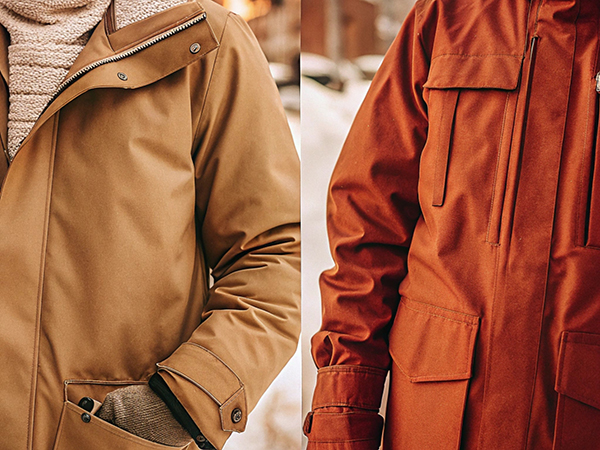
How the Blend Performs in Winter
-
Heat Retention
- Polyester is less breathable than cotton and retains body heat well, making it a good insulator.
- Cotton, on the other hand, absorbs moisture and doesn’t trap heat as efficiently.
-
Moisture Management
- Polyester wicks moisture away from the body, keeping you dry in cold conditions.
- Cotton tends to hold onto moisture, which can make you feel cold if it gets wet.
-
Layering Potential
- Cotton-polyester blends work well as a mid-layer, especially when paired with an outer shell for wind and water resistance.
Best Uses for Cotton-Polyester Blends in Winter
- Sweatshirts and Hoodies: Provide moderate warmth and comfort for casual wear.
- Thermal Underwear: Blends with a higher percentage of polyester can be effective as base layers.
- Jackets with Linings: Cotton-poly blends are often used in quilted linings for lightweight warmth.
| Blend Ratio | Winter Suitability |
|---|---|
| 50% Cotton, 50% Polyester | Good for layering in mild winters |
| 20% Cotton, 80% Polyester | Better for colder climates due to insulation |
While cotton-polyester blends are practical for everyday winter wear, they may not be sufficient for harsh conditions without proper layering.
What are the disadvantages of cotton polyester blend?
While cotton-polyester blends offer many benefits, including durability and ease of care, they also come with some drawbacks.
Disadvantages of cotton-polyester blends2 include reduced breathability, a tendency to pill, and environmental concerns related to polyester.

1. Reduced Breathability
- Issue: Polyester’s synthetic fibers trap heat and reduce airflow, which can lead to discomfort in warmer conditions.
- Impact: Cotton-poly blends may not be as breathable as pure cotton, making them less ideal for people who overheat easily.
2. Pilling Over Time
- Issue: Polyester fibers are prone to pilling (forming small balls of fabric on the surface) with frequent wear and washing.
- Impact: This affects the garment’s appearance and can make it look worn out more quickly.
3. Limited Moisture Absorption
- Issue: While polyester wicks moisture away, the blend doesn’t absorb sweat like pure cotton, which may feel less natural on the skin.
- Impact: This can be uncomfortable for those who prefer the softness and absorbency of pure cotton.
4. Environmental Concerns
- Issue: Polyester is derived from petroleum, making it less eco-friendly. Blending it with cotton reduces its overall biodegradability.
- Impact: Cotton-poly blends are harder to recycle and take longer to break down in landfills.
5. Limited Warmth in Harsh Winters
- Issue: While polyester retains some heat, cotton-poly blends don’t insulate as well as wool or fleece in freezing temperatures.
- Impact: These blends may not be suitable for extreme cold without additional layers.
| Disadvantage | Effect |
|---|---|
| Reduced breathability | May feel stuffy in warmer conditions |
| Pilling | Affects garment durability and appearance |
| Environmental issues | Less biodegradable and harder to recycle |
| Limited warmth | Requires layering in extreme winter weather |
Despite these drawbacks, cotton-poly blends remain a popular choice for their affordability, versatility, and ease of care.
What fabric should you not wear in winter?
When it comes to staying warm and comfortable in winter, some fabrics are best avoided due to their poor insulating or moisture-retention properties.
You should avoid wearing fabrics to avoid wearing in winter3 like pure cotton and lightweight synthetics in winter, as they don’t provide adequate warmth or manage moisture effectively.
1. Pure Cotton
-
Why It’s Unsuitable:
- Cotton absorbs moisture and retains it, making you feel damp and cold.
- It dries slowly, increasing the risk of discomfort or hypothermia in extreme conditions.
-
When to Avoid:
- Avoid wearing pure cotton as a base layer in winter activities like hiking or skiing, where sweat can become an issue.
2. Lightweight Polyester
- Why It’s Unsuitable:
- Thin polyester fabrics offer little insulation and don’t trap heat effectively in cold conditions.
- They may also feel clammy against the skin without proper layering.
3. Rayon
- Why It’s Unsuitable:
- Rayon is lightweight and not designed for cold weather. It lacks insulating properties and absorbs moisture like cotton.
4. Nylon Without Insulation
- Why It’s Unsuitable:
- While nylon is wind-resistant, it doesn’t insulate well unless paired with additional layers.
| Fabric to Avoid | Reason |
|---|---|
| Pure Cotton | Retains moisture, dries slowly |
| Lightweight Polyester | Poor insulation, ineffective in cold climates |
| Rayon | Lacks insulation and moisture resistance |
| Nylon Without Lining | Provides no warmth on its own |
To stay comfortable in winter, choose fabrics designed for insulation and moisture management, avoiding those that trap moisture or fail to retain heat.
Which fabric keeps warm in winter?
For maximum warmth in winter, certain fabrics outperform others due to their insulating properties and ability to manage moisture.
Best fabrics for warmth in winter4 include wool, fleece, down, and synthetic blends, as they trap heat effectively and wick moisture away from the body.

1. Wool
-
Why It’s Warm:
- Wool fibers trap air, creating natural insulation that retains body heat.
- It wicks moisture and keeps you warm even when wet.
-
Best Uses: Sweaters, scarves, base layers, and coats.
2. Fleece
-
Why It’s Warm:
- Made from polyester, fleece mimics wool’s insulating properties while being lightweight and quick-drying.
- It provides excellent warmth without adding bulk.
-
Best Uses: Jackets, hoodies, and blankets.
3. Down
-
Why It’s Warm:
- Down feathers trap heat in small air pockets, offering unmatched insulation in cold weather.
- Lightweight yet incredibly effective for extreme temperatures.
-
Best Uses: Puffer jackets, vests, and sleeping bags.
4. Synthetic Insulation (e.g., Thinsulate)
-
Why It’s Warm:
- Designed to trap heat while remaining lightweight and water-resistant.
- Often used in outdoor gear for activities like skiing or hiking.
-
Best Uses: Gloves, jackets, and thermal clothing.
| Fabric | Key Features | Best Uses |
|---|---|---|
| Wool | Natural insulation, wicks moisture | Sweaters, base layers |
| Fleece | Lightweight, quick-drying, warm | Jackets, hoodies |
| Down | Superior warmth, lightweight | Puffer jackets, vests |
| Synthetic Insulation | Lightweight, water-resistant | Outdoor gear, thermal layers |
These fabrics are excellent choices for retaining warmth and staying dry in winter conditions, ensuring comfort and protection against the cold.
Conclusion
Mixing polyester and cotton creates a fabric that balances comfort, durability, and affordability, making it suitable for mild winter conditions. However, the disadvantages of this blend, such as reduced breathability and limited warmth in extreme cold, mean it’s best used as a mid-layer or for casual wear. Avoid pure cotton and lightweight synthetics in winter, as they fail to provide adequate insulation. Instead, opt for wool, fleece, down, or synthetic insulation for superior warmth and moisture management. By choosing the right fabrics, you can stay comfortable and cozy all winter long.