A great hoodie is all about comfort, durability, and warmth, and the fabric plays a major role in these factors. But with so many options available, which fabric is truly the best for hoodies?
The best fabric for hoodies depends on the purpose. Cotton1 offers softness and breathability, polyester enhances durability, Fleece2 provides warmth, and French terry delivers a premium feel. Blended fabrics combine the best features of multiple materials for added functionality.
Let’s break down the different hoodie fabrics and explore their advantages, disadvantages, and best uses.
What are the most common fabrics used for hoodies?
Different fabrics offer unique benefits in terms of comfort, durability, and functionality.
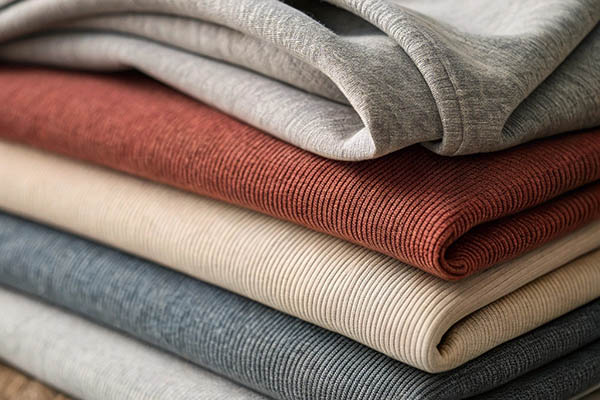
The most commonly used hoodie fabrics include Cotton, polyester, Fleece, and blends of these materials. Each fabric type has distinct properties that influence the hoodie’s quality.
1. Cotton – Soft and Breathable
Cotton is one of the most popular fabrics for hoodies due to its softness and natural breathability.
- Pros: Soft, breathable, hypoallergenic.
- Cons: Can shrink after washing, absorbs moisture.
- Best for: Everyday casual wear.
2. Polyester – Durable and Moisture-Wicking
Polyester is a synthetic fabric known for its strength and moisture-wicking capabilities.
- Pros: Wrinkle-resistant, holds shape well, dries quickly.
- Cons: Less breathable, can feel less soft than cotton.
- Best for: Athletic and performance hoodies.
3. Fleece – Warm and Insulating
Fleece is commonly used in hoodies for warmth, making it ideal for winter wear.
- Pros: Extremely warm, soft texture, lightweight.
- Cons: Can pill over time, less breathable.
- Best for: Cold-weather hoodies.
4. Cotton-Polyester Blends – The Best of Both Worlds
Blended fabrics combine the strengths of cotton and polyester for improved durability and comfort.
- Pros: Durable, shrink-resistant, easy to maintain.
- Cons: Less breathable than pure cotton.
- Best for: Everyday hoodies, budget-friendly options.
What are the best specialty fabrics for high-end hoodies?
Luxury hoodies often feature specialty fabrics that offer a more premium feel, better durability, and eco-friendly benefits.
French terry3, Bamboo fabric4, and Hemp blends5 are premium hoodie materials that provide unique textures and enhanced performance.

1. French terry – Lightweight and Stylish
French terry has a smooth outer surface and a looped interior, offering a balance between warmth and breathability.
- Pros: Soft, lightweight, breathable.
- Cons: Less insulating than fleece.
- Best for: Midweight hoodies, layering pieces.
2. Bamboo fabric – Eco-Friendly and Ultra-Soft
Bamboo fabric is a sustainable alternative to cotton, offering a luxurious, silky texture.
- Pros: Naturally antibacterial, moisture-wicking, ultra-soft.
- Cons: Slightly more expensive than regular cotton.
- Best for: High-end, eco-conscious hoodies.
3. Hemp blends – Sustainable and Durable
Hemp is a strong and eco-friendly fabric that softens over time with wear.
- Pros: Strong, breathable, sustainable.
- Cons: Rougher texture initially, limited availability.
- Best for: Sustainable fashion hoodies.
How does fabric weight (GSM) impact hoodie quality?
Fabric weight, measured in GSM (grams per square meter), determines the thickness and warmth of a hoodie.
Heavier GSM hoodies (400+ GSM) are thicker, warmer, and more durable, while lower GSM hoodies (200-300 GSM) are lightweight and breathable.
| GSM Range | Fabric Thickness | Best for |
|---|---|---|
| 200-300 GSM | Lightweight | Mild weather, layering |
| 300-400 GSM | Midweight | Everyday wear, fall/spring |
| 400+ GSM | Heavyweight | Cold weather, premium hoodies |
What are the best fabrics for different types of hoodies?
Choosing the right fabric depends on the intended use of the hoodie.

Everyday hoodies use cotton or blends, athletic hoodies rely on polyester, and winter hoodies feature fleece or heavyweight fabrics.
| Hoodie Type | Best Fabric | Features |
|---|---|---|
| Everyday Hoodie | Cotton or Cotton-Poly Blend | Soft, breathable, comfortable |
| Athletic Hoodie | Polyester or Performance Blends | Moisture-wicking, lightweight |
| Winter Hoodie | Fleece or Sherpa-Lined Cotton | Warm, insulating |
| Eco-Friendly Hoodie | Bamboo or Organic Cotton | Sustainable, soft |
What are the advantages of blended fabrics for hoodies?
Fabric blends combine the benefits of multiple materials, creating hoodies that are both functional and comfortable.
Cotton-polyester blends are the most common, offering durability, softness, and moisture control. Other blends, such as cotton-spandex, improve stretch and flexibility.
1. Cotton-Polyester Blends
- Pros: Durable, resists shrinking, easy to maintain.
- Best for: Everyday and casual wear.
2. Cotton-Spandex Blends
- Pros: Adds flexibility and stretch for better movement.
- Best for: Slim-fit hoodies, athletic wear.
3. Tri-Blend (Cotton-Polyester-Rayon)
- Pros: Ultra-soft, lightweight, stylish.
- Best for: Fashion-forward hoodies.
How do you choose the best fabric for your needs?
Selecting the right hoodie fabric depends on personal preference, intended use, and climate.
For comfort, choose cotton; for durability, go with polyester; for warmth, pick fleece; and for sustainability, opt for bamboo or hemp blends.
Key Considerations When Choosing a Hoodie Fabric
- Comfort: Cotton and French terry provide a soft feel.
- Durability: Polyester and cotton-poly blends last longer.
- Warmth: Fleece and heavyweight fabrics offer insulation.
- Eco-Friendliness: Bamboo, hemp, and organic cotton are sustainable options.
What are the future trends in hoodie fabrics?
The hoodie industry is evolving with innovative fabric choices and sustainable alternatives.
Trends include recycled polyester, temperature-regulating materials, and moisture-wicking smart fabrics for enhanced performance.
1. Sustainable and Recycled Fabrics
Brands are incorporating organic cotton, bamboo, and recycled polyester to reduce environmental impact.
2. Smart Performance Fabrics
Advancements include:
- Temperature-regulating materials that adjust to body heat.
- Antibacterial fabrics to prevent odors.
- UV-resistant materials for outdoor wear.
3. Hybrid Fabric Blends
Blending natural and synthetic fibers (e.g., bamboo-polyester blends) creates hoodies that balance softness, durability, and sustainability.
Conclusion
The best hoodie fabric depends on your needs—Cotton for softness, polyester for durability, Fleece for warmth, and blends for versatility. High-quality hoodies use premium materials like French terry, Bamboo fabric, and heavyweight cotton for added comfort and longevity. As fabric technology advances, sustainable and smart performance fabrics will shape the future of hoodie design.
-
This link clarifies cotton’s softness and everyday reliability. ↩
-
Explores why fleece provides excellent insulation and winter comfort. ↩
-
Reveals how french terry balances warmth and breathability for layering. ↩
-
Explains bamboo’s antibacterial, advanced moisture-wicking properties, and eco-friendliness. ↩
-
Demonstrates hemp’s natural durability, breathability, and environmental benefits. ↩